
Hormuz Risks Reshape Exports
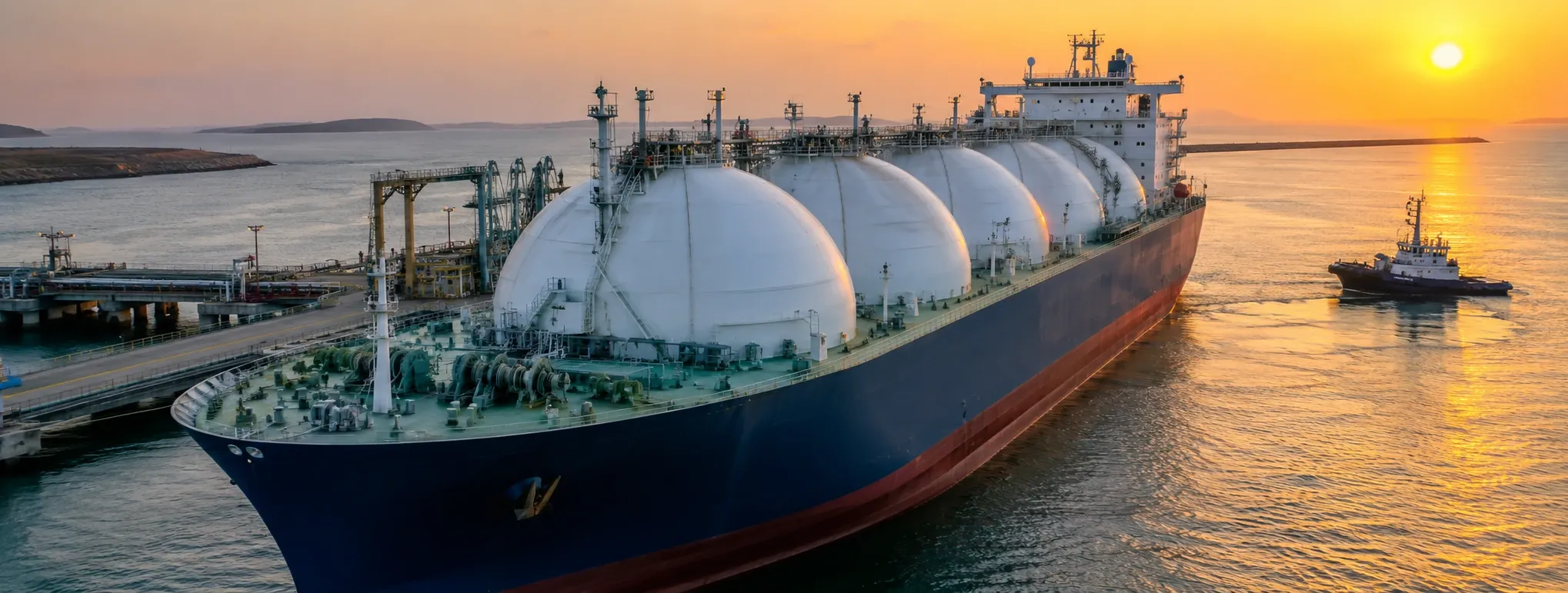
Even after the most recent set of attacks between the United States and Iran, ADNOC has continued with the loading of liquefied natural gas at its terminal in the Persian Gulf. According to satellite images examined by Bloomberg, one tanker was moored at the Das Island export terminal on September 2, while a second ship was nearby. It has been reported that both vessels were in dark mode, their transponders having been switched off in order to avoid being detected on the route.
ADNOC Adapts Shipping Strategy
ADNOC isn't introducing a new strategy in this regard since the company has previously shipped some of its LNG out of the Gulf by having its tankers go dark, a practice which oil carriers have also made use of during the conflict. In order to secure its gas exports, the UAE has resorted to carrying out ship-to-ship transfers outside the Strait of Hormuz, a move which is uncommon for LNG shipments. It is reported that three carriers, which had loaded their cargo in Qatar and the UAE, transferred the gas onto other vessels outside the strait within the last month. As for oil, ADNOC is extending its Fujairah pipeline with the aim of doubling the capacity of the route that goes around the chokepoint by next year. The company has also cautioned that disruptions could last until 2027.
Energy Logistics Become Strategic
The actual issue is that if the gas cannot be transported safely, then it is of little practical use to have it ready for export. Despite the measures that ADNOC has taken, LNG exports from the Persian Gulf are still almost entirely stopped, thereby putting pressure on buyers in Asia and causing them to seek their supplies from other sources at a higher cost. Brent crude prices have already reached nearly $96 a barrel because of the conflict, which has left traders in a state of anxiety, and gas markets are facing a similar kind of risk premium.
The infrastructure is now carrying out the functions that shipping routes had previously taken on themselves. Pipelines, ship-to-ship transfers and alternative ports are no longer merely backup options; they have become essential elements in the way in which energy reaches the market, and this change is likely to continue beyond the current conflict.
Supply Chains Face New Risks
The fact that ADNOC is still loading shows that this is an adaptation, not a retreat, even though the degree of disruption remains great. Flow rates have nearly come to a stop, the transponders are still remaining switched off, and worries regarding the effects spreading into 2027 are no longer considered unrealistic. Everything this indicates is that the situation is not merely the result of a temporary shock but rather marks a permanent change in the way Gulf energy exports will have to function in the future, with routing and logistics being just as important as production itself.
Track the energy routes reshaping global markets with InsightSphere's daily business intelligence.