
Carbon Drives Expansion
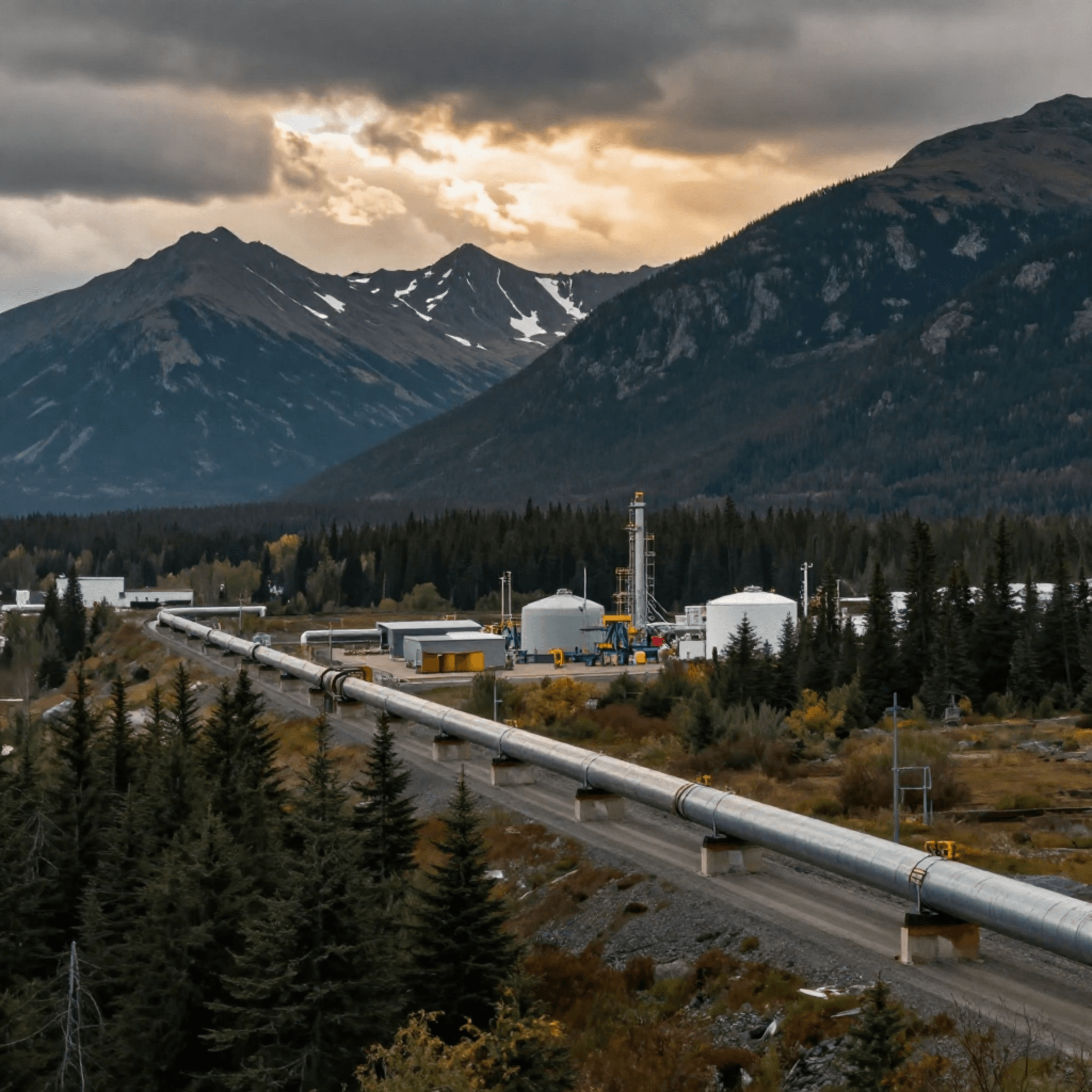
Prime Minister Mark Carney and Alberta Premier Danielle Smith met in Calgary and signed an implementation agreement that carries significant weight for both sides. Alberta Premier Danielle Smith acknowledged that her government made concessions in the agreement, which sets the province's effective industrial carbon emissions price at 130 dollars per tonne by 2040. The agreement sets out a plan for Alberta to increase its effective industrial carbon emissions price to 130 dollars per tonne by 2040, with the headline price reaching 140 dollars by that time, up from its current price, which was frozen at 95 dollars per tonne. In exchange, Alberta will submit a proposal for a new oil pipeline to Carney's Major Projects Office by July 1. The prime minister stated that the pipeline remains dependent on the Pathways carbon capture project in Alberta getting built, meaning the next step is reaching a mutual agreement with the Oil Sands Alliance, the consortium of major oil players behind the project. There is also no private sector proponent or confirmed route for the pipeline at this stage. The Alberta government says it will act as the project's proponent in submitting the proposal to the federal government's major projects office.
Energy Economics Shift
What this agreement quietly changes is the investment conversation. For decades, energy producers competed on output. How many barrels, at what cost, with what margin? That calculus is shifting. Future competitiveness will increasingly require producers to show not just what they extract, but how cleanly they do it. Carbon capture is moving from a sustainability talking point to a balance sheet consideration. Environmental groups have slammed the government for setting a deadline of 2040, saying Ottawa is gutting industrial carbon pricing, while oil sands companies have long called for carbon pricing to be scrapped altogether. That tension sitting at the center of this deal tells its own story. The framework pleases neither camp entirely, which may be the clearest sign yet that it represents a genuine middle ground. For investors, the direction of travel on carbon pricing is now locked in, and capital allocation decisions across the oil sands will need to reflect that reality.
Transition Redefines Growth
What Canada is attempting here is genuinely difficult. It is trying to expand fossil fuel export capacity while simultaneously embedding a credible decarbonisation requirement into that very expansion. Prime Minister Carney described the agreement as climate action alongside energy security, stating that co-operative federalism means coming together, moving forward, and creating a better future, including with respect to the environment. The federal government has said it will pursue designating the pipeline as a project of national interest by October 1, with construction on the West Coast pipeline potentially starting as early as September 2027. Those deadlines will serve as the first real test of whether this agreement holds its momentum. The framework being constructed here, where a pipeline's future is directly tied to a carbon capture project's progress, may well become the model other resource economies look to when they face the same question of how to grow and decarbonise at the same time. InsightSphere delivers forward-looking analysis on policy decisions, market shifts, and energy transitions redefining global business strategy.