
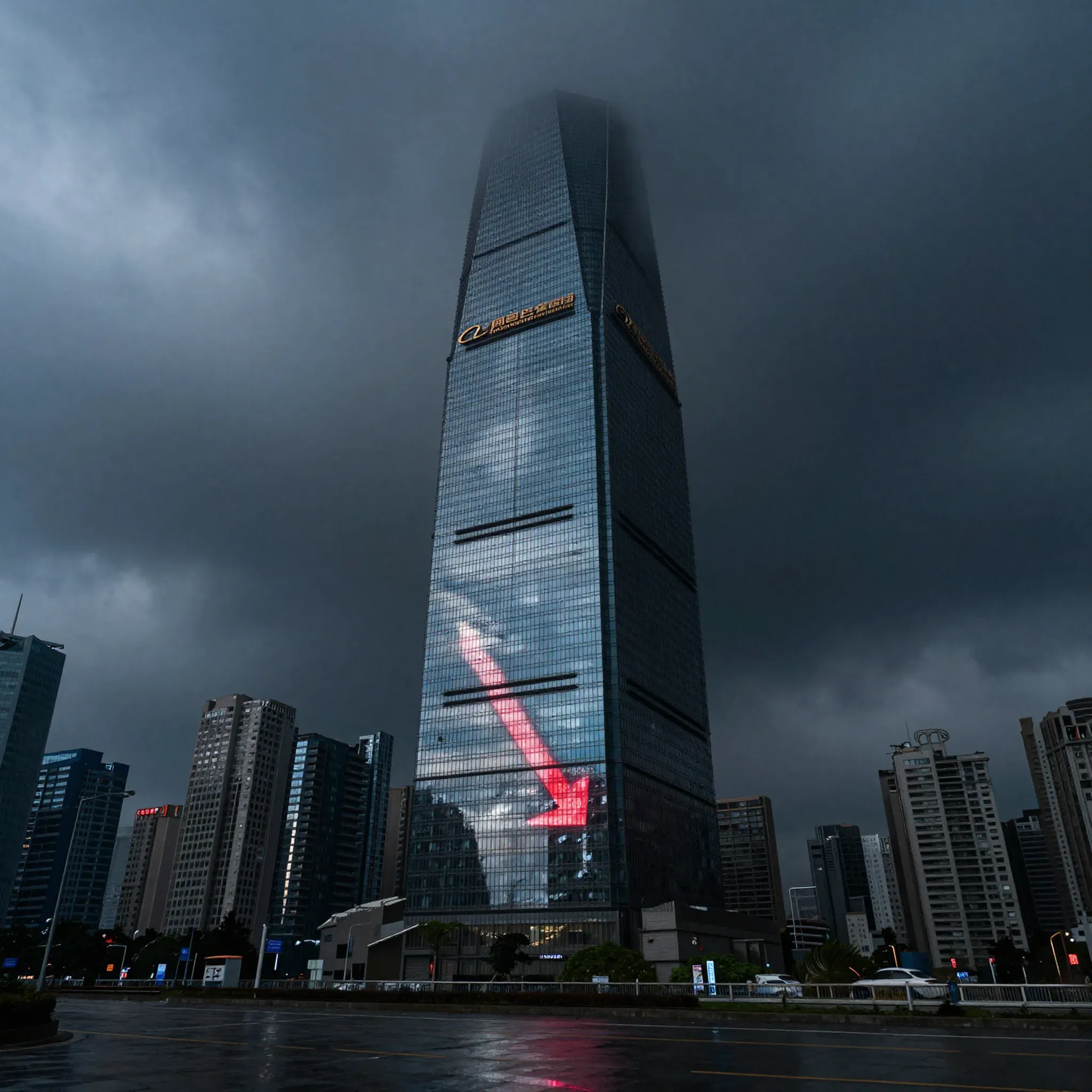
Market Response To Policy Uncertainty
On Monday, Alibaba's Hong Kong listed shares dropped to 3% while Chinese technology companies such as BYD Co. and Baidu Inc. stooped to around 1% after the updated 1260H list. After a few minutes of publishing, the Pentagon declared the document “unpublished” and withdrew it without reason, pointing at confusion among analysts and traders. The 1260H list first appeared in 2021, which now contains more than 130 entries of companies having links with China’s military-civil fusion efforts. This could interfere with companies ability to secure U.S. defence contracts or future research funding (The Business Times).
Geopolitical Tensions Leading to Investor Confusion
The abrupt appearance and later withdrawal of the Pentagon’s updated list reflects a larger tension over U.S. security policy towards China’s technology sector. Analysts predict this as a strategic signal ahead of the high-level U.S-China talks planned in the coming months even as policy coordination occasionally appeared to make negotiations among the trade. Investors were quick to respond to the momentary listing of Alibaba and other technology leaders on the 1260H list. Alibaba’s sell-off was followed by declines in stocks across global markets, demonstrating how quickly geopolitical risk can transmit through risk assets.
Corporate Response
Tencent, Baidu, and Alibaba have all rejected the Pentagon’s characterization of insisting that their businesses are civilian- led and not a part of the military networks. Alibaba declared that it is “not a Chinese military company” and even threatened to pursue legal actions due to misinterpretation. These rebuttals reflect a defensive position of the probable potential financial and reputational damage due to such listings.
Market Implications
From an investment perspective, the incident highlights the geopolitical risk premiums that continue to affect Chinese technology stocks. However, for global fund managers, these listings need to integrate policy risk assessment into portfolio construction, for cross-border technology allocations. Investor sentiments are highly sensitive to inflation and tightening global conditions, now facing new macroeconomic headwinds from strategic policy noise. This results in stock volatility and how geopolitical development, even brief and unexplained ones can trigger rapid repricing in sectors. Looking ahead, market investors will closely monitor any clarification from U.S. authorities about the status of the 1260H list and criteria used for such designation. They will carefully watch for broader regulatory trends that could influence not just Chinese tech but global supply chain. Geopolitical tension, policy shifts and regulatory ambiguity can have the same impact as economic data in shaping market trends. InsightSphere will continue to provide in-depth analysis of policy developments and market impacts.