
Legal Challenge Escalates
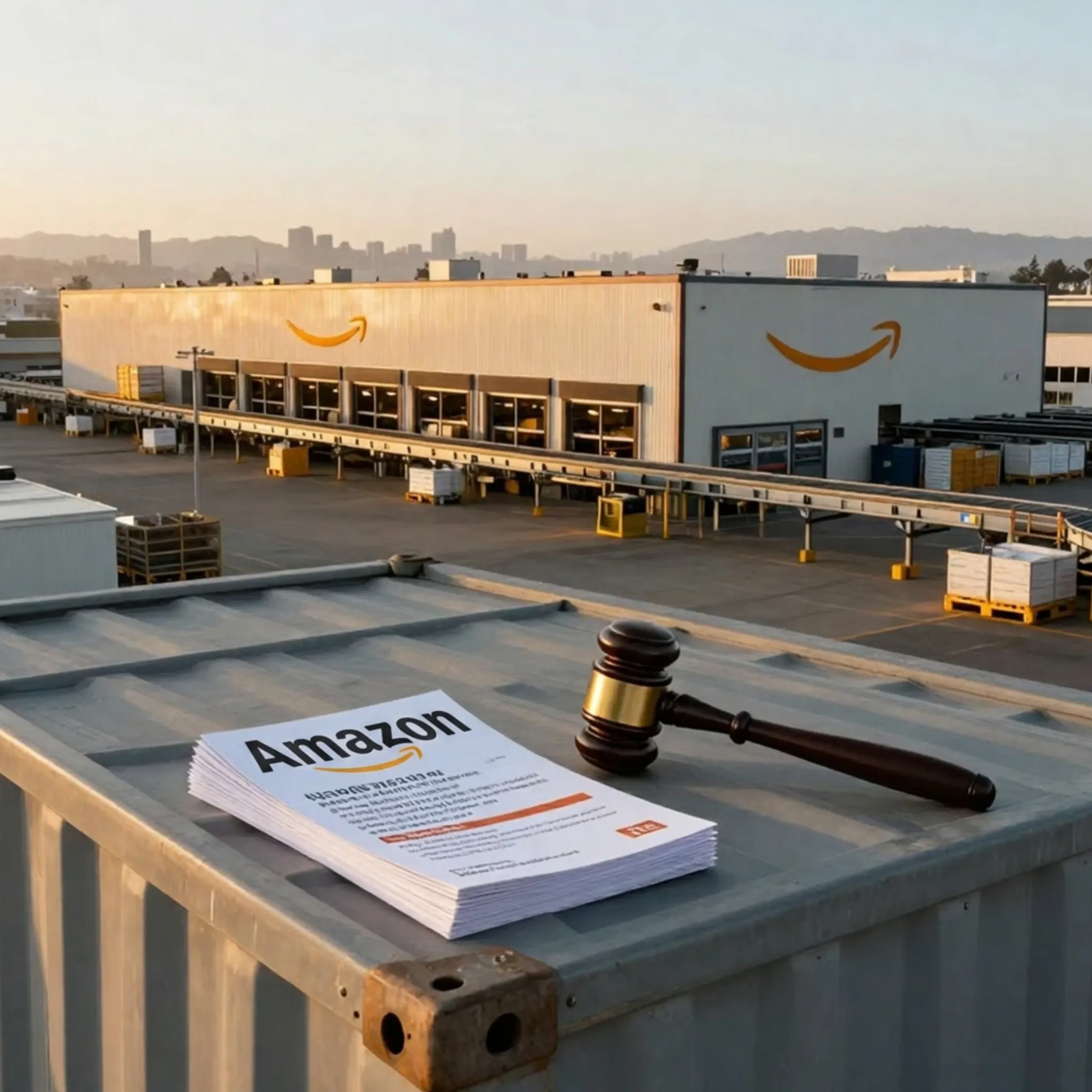
The judge ruled that Amazon unlawfully refused to recognize and negotiate with workers represented by the International Brotherhood of Teamsters. The decision leaned on a labor board standard set under the Biden administration, known as the Cemex precedent, which says that once a union shows it has genuine majority support among staff, the employer must either recognize and bargain with it directly or request a formal election to test that support. According to the judge, Amazon chose neither path. The order requires Amazon to engage in good-faith collective bargaining, reinforcing protections available to workers under existing labor law. Even so, similar rulings involving a New York City warehouse and a Philadelphia Whole Foods location suggest that an order like this rarely translates into bargaining sessions starting anytime soon. Amazon has firmly rejected the outcome, with a company spokesperson stating that it disagrees with the judge's decision, plans to appeal, and expects a court to eventually overturn it. The company maintains it did nothing wrong and argues, alongside several major business groups, that the underlying Cemex standard itself oversteps the board's authority.
Workforce Strategy Evolves
What happens next probably matters more than the ruling itself. Amazon can take this case to NLRB members in Washington, and with Trump appointees now holding the majority there, the company has a real shot at getting the Cemex standard thrown out altogether. That is not a small detail. If Cemex falls, a lot of the legal groundwork unions have been building on for the past few years starts to look shaky. For now, though, the ruling still sends a signal. Other warehouses watching this case may feel emboldened to push harder, and large logistics employers are increasingly having to treat labor relations as something that shows up on the balance sheet, not just on the warehouse floor. Rising labor costs, the possibility of having to rewrite internal policies, and the slow grind of formal negotiations are no longer side issues for companies operating at this scale. Investors are paying attention too, and labor governance is starting to sit on the same checklist as automation strategy and supply chain risk.
Governance Takes Priority
Step back far enough, and this case looks less like an isolated dispute and more like a preview of where workforce management is heading. It is becoming a topic that boardrooms actually talk about, not something quietly handled by HR. And with the rules of the game potentially about to change depending on how the appeal goes, companies are stuck planning for two very different futures at once. One where worker organizing keeps gaining ground, and one where a friendlier regulatory environment gives employers more room to push back. Either way, this isn't a conversation that's fading anytime soon. Companies that drag their feet on deciding where they stand could end up playing catch-up instead of staying ahead. From labor policy to boardroom strategy, InsightSphere delivers the intelligence leaders need to stay ahead of structural market shifts.