
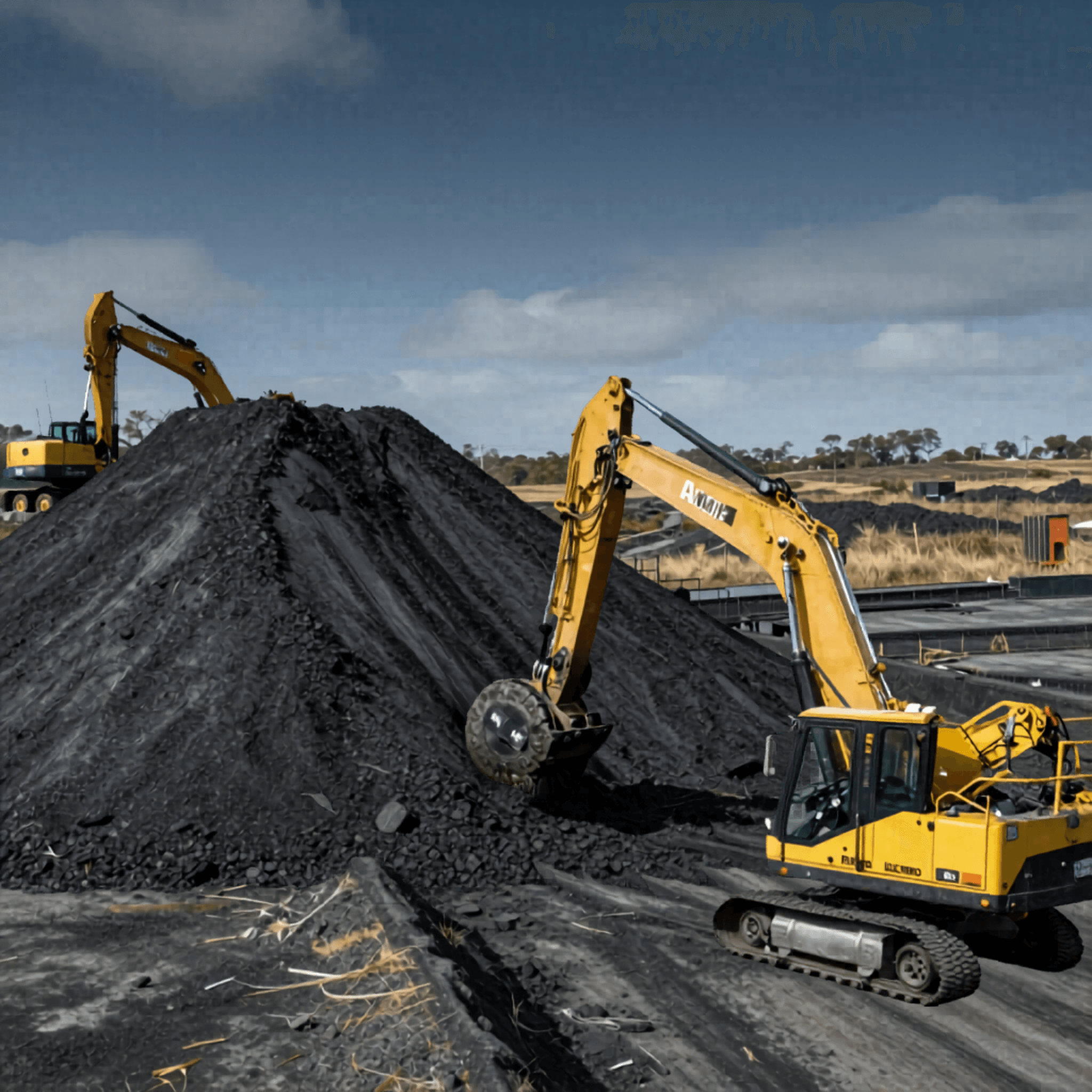
Coal Exit Deepens
The divestment covers steelmaking coal mines in Queensland's Bowen Basin, a globally important supply hub for metallurgical coal used in steel production. Anglo American's exit is not a story about demand collapse or the end of coal's relevance to industry. It is a deliberate strategic choice to exit a commodity that, while still needed, no longer fits the company's vision for where its capital and management attention should be concentrated. The broader restructuring strategy Anglo American has been executing is aimed at strengthening its balance sheet and sharpening its focus on higher-growth minerals aligned with the energy transition. Unlike thermal coal, steelmaking coal remains critical to industrial manufacturing, making this a portfolio decision driven by strategy rather than weakening demand.
Capital Flows Shift
The deal crystallises an accelerating trend across the global mining sector. Capital is moving, deliberately and at increasing speed, away from legacy fossil-linked assets and toward electrification metals. Copper, in particular, has become the centrepiece of Anglo American's forward strategy, alongside other minerals critical to battery technology and grid infrastructure. Investors tracking the company are likely to read the proceeds from this sale as fuel for debt reduction and targeted reinvestment in those higher-priority assets. For steel producers and industrial supply chains, the more relevant signal is not shrinking demand for steelmaking coal but a significant shift in who owns and controls the assets that produce it. Ownership of critical raw materials is being redistributed, and that reshaping carries implications for pricing, supply security, and long-term procurement strategy.
Conclusion
Anglo American's exit from steelmaking coal is a clear illustration of how global miners are choosing portfolio focus over diversification. The era of holding a wide spread of commodities as a hedge is giving way to concentrated bets on the metals expected to define industrial growth through the next decade. Copper wiring in electric vehicles, nickel in battery cells, and the infrastructure supporting renewable energy grids are now the investment thesis driving boardroom decisions at the world's largest mining companies. The $3.88 billion Australian transaction is not simply a divestment. It is a signal that the reallocation of mining capital is no longer a distant ambition. It is already underway, deal by deal, reshaping the map of who controls the raw materials that the global economy will run on next. From commodity cycles to capital reallocation, InsightSphere helps business leaders understand what today’s deals signal for tomorrow’s markets.