
Cargo Confidence Persists
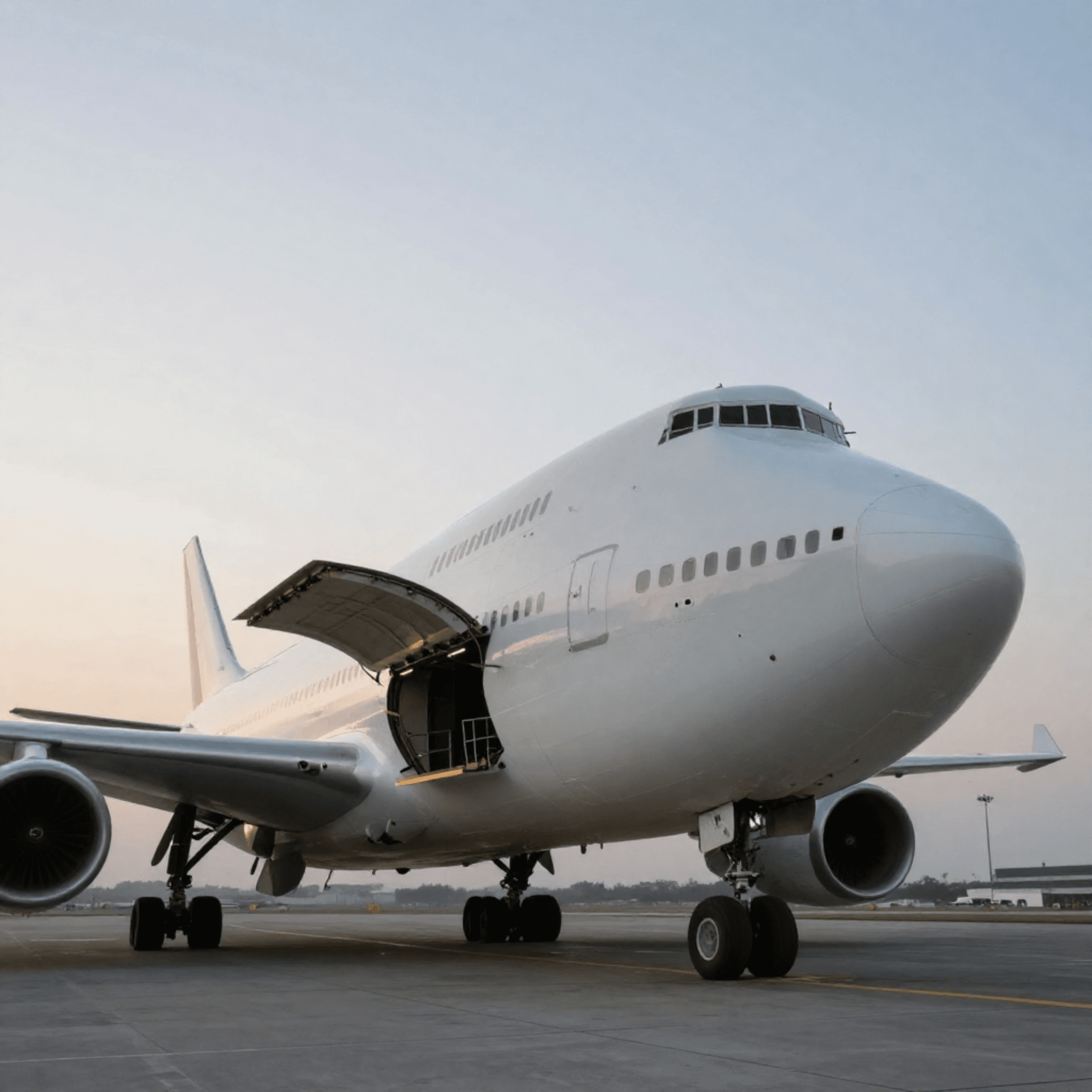
Atlas Air's Chief Executive Officer, Michael Steen, made the remarks during an interview in Rio de Janeiro, confirming he is open to ordering the freighter variant of Boeing's 777X programme. This comes despite Atlas having just placed its first-ever order with Airbus for the upcoming A350 freighter earlier this year, in March, marking a notable shift for a carrier whose fleet has historically been entirely Boeing. The company currently operates 747s, 777s, 767s and 737s, and Steen indicated Atlas still hopes to add more 777-200 freighters as well. The fact that the airline is actively exploring both Airbus and Boeing for future capacity reflects a deliberate, diversified fleet strategy built for long-term operational flexibility rather than manufacturer loyalty.
Trade Flows Reshape
What is driving this confidence is not speculation. Atlas Air is seeing concrete demand from cargo segments that did not exist at this scale even five years ago. Steen specifically pointed to the company's growing involvement in shipping technology infrastructure, including chips and server racks destined for data centres being built across the world. That kind of freight does not move by sea. It is time-sensitive, high-value, and precisely the category that justifies investing in long-haul, high-capacity modern aircraft. Beyond technology, the broader structural case for air cargo remains compelling. Businesses continue diversifying their supply chains across more geographies, cross-border e-commerce volumes keep climbing, and the premium placed on delivery speed and supply chain reliability has only strengthened since the disruption years.
Markets Watch Closely
There is a financial dimension to this story that deserves attention. Atlas Air is owned by an investor group led by Apollo Global Management, which was reportedly weighing a potential sale of the company as recently as late last year. Against that backdrop, the fleet expansion signals coming from management carry additional significance. Airlines actively investing in modern, dual-manufacturer fleets are presenting a fundamentally different investment narrative than those holding back. For capital markets and logistics sector investors, Atlas Air's expanding exposure to high-growth cargo categories such as data centre infrastructure, combined with a next-generation fleet strategy spanning both Airbus and Boeing, makes it one of the more consequential companies to monitor. The decisions being made today will shape how global goods move for the next two decades. At InsightSphere, we decode the market signals behind industrial shifts shaping global trade, logistics, and capital allocation.