
Deterrence Takes Centerstage
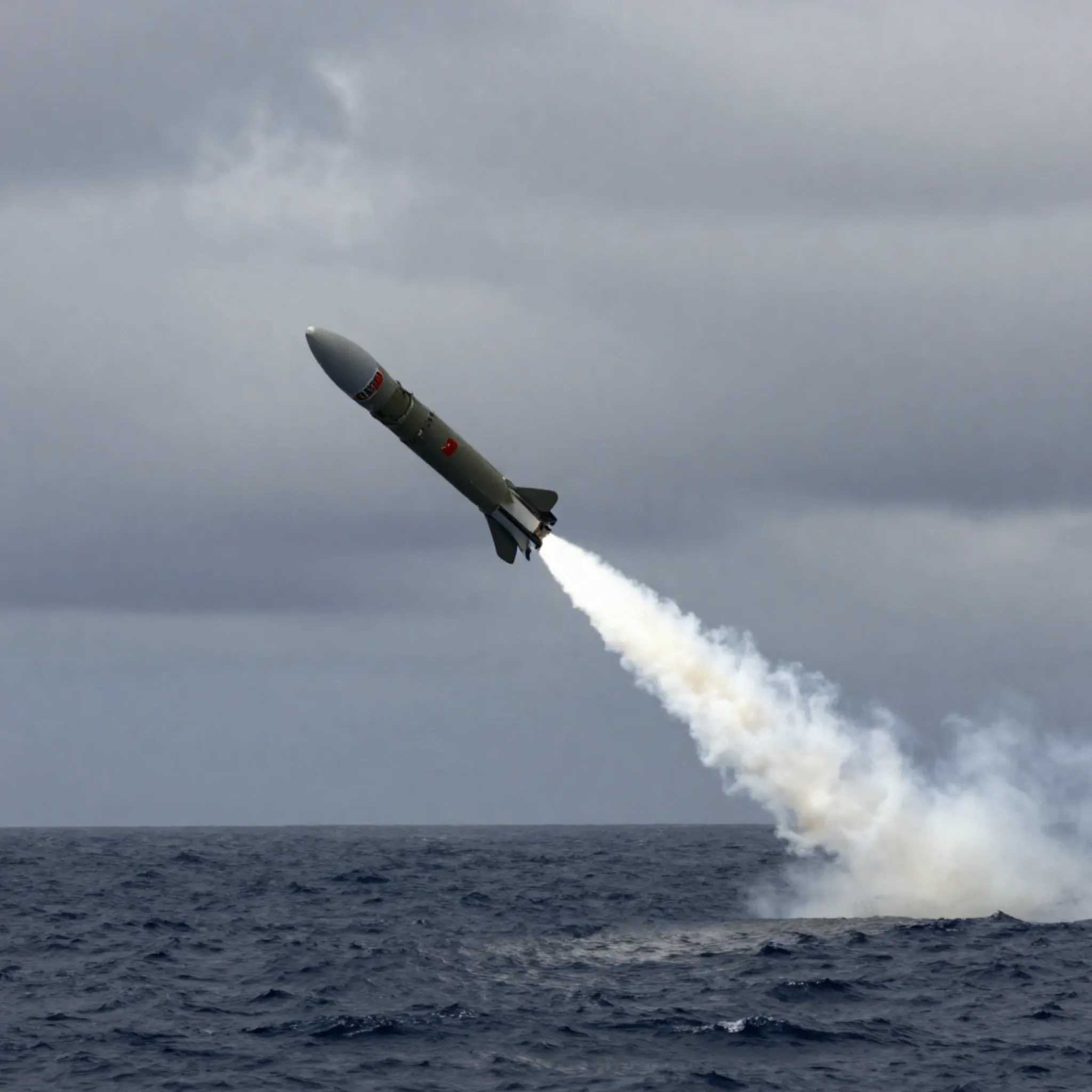
Chinese authorities described the launch as a routine part of the country's annual training schedule and said it was not aimed at any specific target. Even so, the timing and method drew scrutiny from Washington, which called on Beijing to pursue serious arms control talks and to establish a regular notification system for all intercontinental range missile and space launches. Australia's Foreign Minister Penny Wong said her government had been informed in advance of the test but described it as destabilising, noting that it comes amid a rapid Chinese military build-up that lacks the transparency the region expects. Japan voiced grave concern over the rise in Chinese military activity, and separately noted it had been alerted to falling space debris that could enter its exclusive economic zone. New Zealand's government said it learned of the test only hours after it took place, with Foreign Minister Winston Peters stating plainly that Wellington and its Pacific neighbours want no part of the South Pacific being used as a proving ground for missile capability. Taken together, these responses point to a growing unease over China's sea-based nuclear deterrent and its ability to project power deeper into the Pacific.
Geopolitics Shapes Markets
Episodes of this kind tend to reinforce the broader trend of rising defence budgets across the Indo-Pacific and often accelerate capital flows into aerospace, surveillance and wider security technologies. Firms with supply chains, shipping lanes or infrastructure tied to Pacific waters may increasingly find themselves subject to sharper geopolitical risk assessments. For global investors, strategic rivalry of this nature is steadily becoming a factor that shapes capital allocation, colours perceptions of regional stability and feeds into long-term confidence in Indo-Pacific markets.
Security Landscape Evolves
What matters here is not the missile itself but the story it tells about where China's military ambitions are heading and how far its influence now reaches across the Pacific. When Washington starts calling for arms control talks and capitals from Canberra to Wellington all speak up within the same news cycle, it tells you the region is paying attention in a way it perhaps was not a few years ago. This kind of moment rarely stays confined to defence briefings for long. It tends to work its way into boardrooms too, shaping how companies think about risk, how investors read stability, and how trade routes get planned for the years ahead. As rivalry between the major powers keeps building, these are the signals that business leaders will need to keep reading alongside the balance sheets. Beyond the headlines, InsightSphere decodes the strategic signals driving global business and capital markets.