
Projects Enter Execution
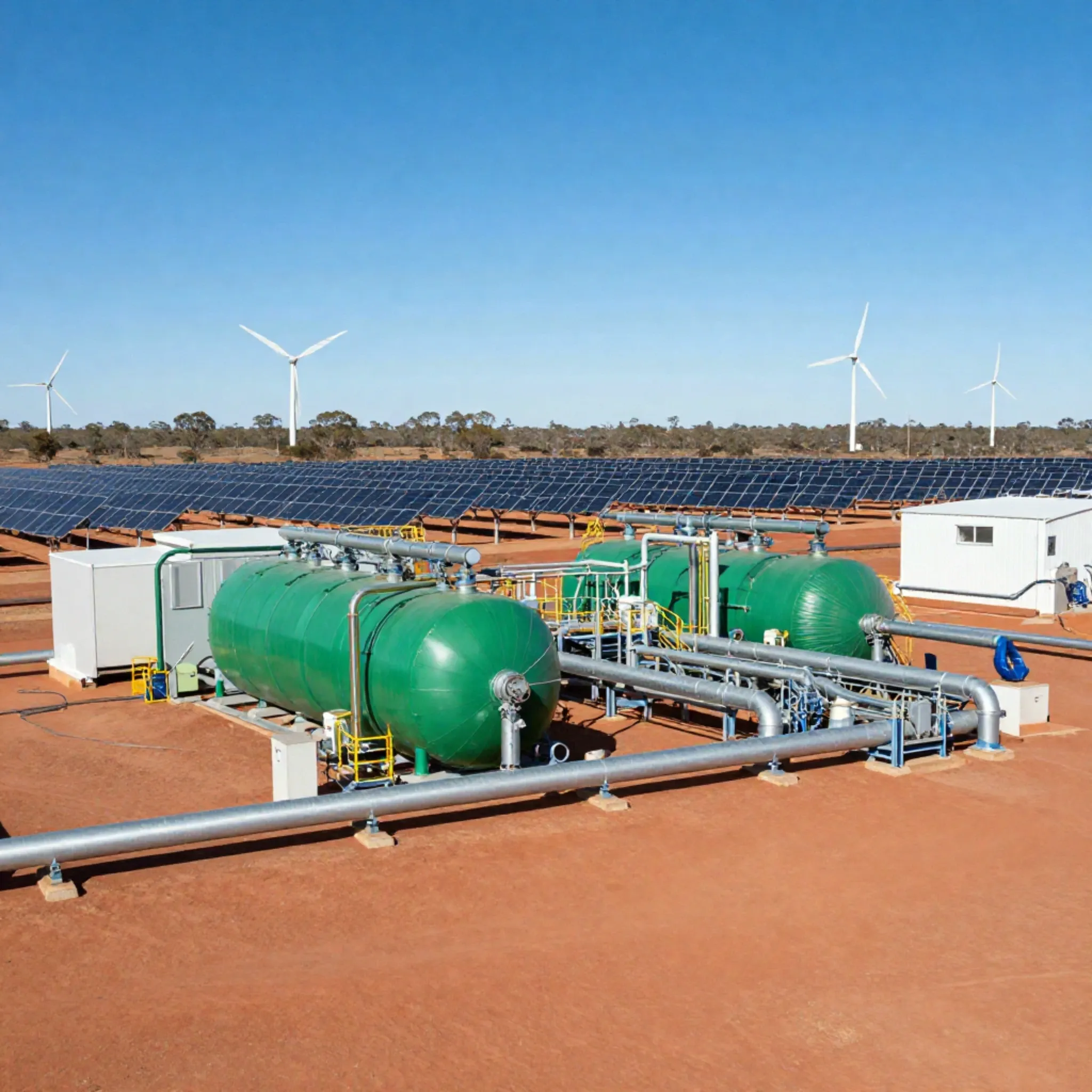
In Western Australia, a large-scale green hydrogen development has now received federal environmental approval, opening the path toward financing discussions and an eventual final investment decision of its own. The project is designed to combine large-scale solar and wind generation with electrolysis, desalination, and ammonia production, positioning it to serve export markets across Asia. Meanwhile, Orica's Hunter Valley hub, to be built next to its existing ammonia plant on Kooragang Island, is expected to begin construction later this year. Once operational by 2029, the facility could produce close to 4700 tonnes of green hydrogen annually using a 50-megawatt electrolyser and recycled water, cutting the company's gas consumption by an amount roughly equivalent to what 50000 households would use. Orica chief executive Sanjeev Gandhi described the decision as a critical step in turning the hub from concept into reality, noting its role in strengthening domestic manufacturing for sectors such as mining and agriculture.
Clean Fuel Strategy
Australia is making a clear bet that renewable energy can become an export business of its own, not just a way to power homes and factories at home. The country is working to position itself as a reliable supplier of green hydrogen and ammonia for economies that are further along in cutting industrial emissions and need cleaner fuel to do it. Government support in this space is becoming increasingly performance-based, with ARENA directing funding toward projects that can demonstrate real progress rather than those still sitting on paper. The agency has now backed more than sixty projects under its Hydrogen Headstart program since 2017, and Orica's hub is the first of these to actually reach a final investment decision. ARENA chief executive Darren Miller pointed to this as an important signal of industry confidence, particularly given how capital intensive and complex hydrogen production remains. Still, the broader picture is mixed. High production costs have already forced the cancellation of proposed projects in Queensland and Tasmania, a reminder that commercial viability, not just policy support, will determine which ventures survive.
Execution Becomes Differentiator
The latest approvals suggest that the green hydrogen market is entering a more disciplined phase, one where execution capability is beginning to outweigh ambitious announcements. For investors and industry leaders watching this space, competitive advantage will increasingly belong to projects that can secure funding, lock in industrial use cases, and manage production costs well before global demand fully materializes. Orica's decision to move forward, even as other developers step back, offers an early signal that the companies most likely to succeed in this sector will be those pairing government backing with a clear, existing industrial application for the hydrogen they produce. At InsightSphere, we continue to track the capital, policy, and industrial shifts shaping the global energy transition into a source of long-term competitive advantage.