
Markets Reprice Stability
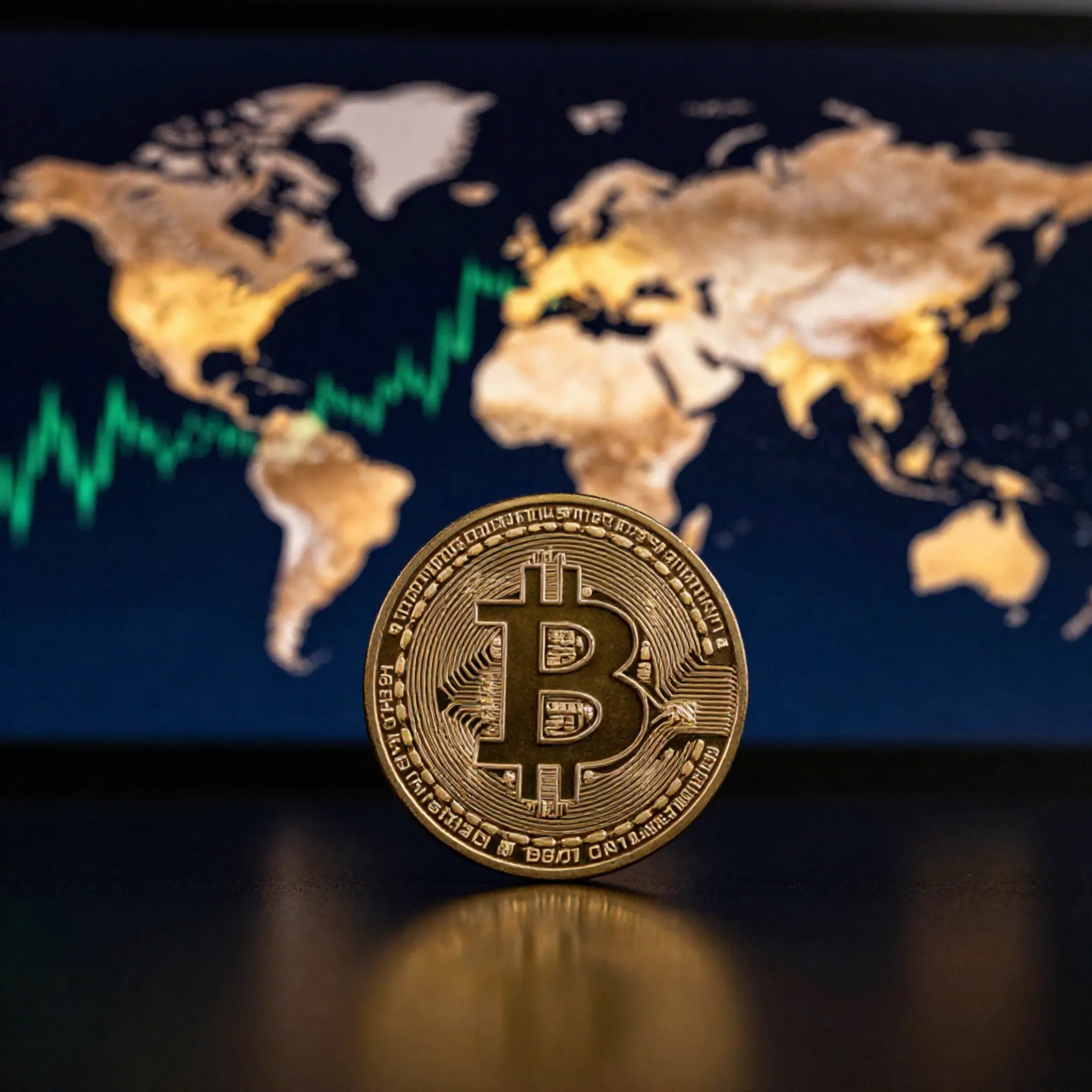
The Hormuz agreement landed at a moment when crypto was still nursing wounds from a difficult few weeks. Bitcoin had recently broken below $60,000, hitting its lowest point since October 2024. Michael Saylor's Bitcoin accumulating firm sent prices spiraling. When Strategy disclosed it had sold even a small fraction of its holdings, it was enough to shake confidence in a market already running on thin sentiment. The peace deal changed the mood fast. Brent crude dropped more than 4%, signaling that oil supply fears were easing and that inflationary pressure might cool sooner than expected. That kind of macro relief is exactly what speculative assets need to breathe again, and investors wasted no time rotating back in.
Macro Signals Strengthen
What stands out most about this rally is not the size of the move but what triggered it. A diplomatic agreement between two governments sent Bitcoin up 3% within hours, which tells you everything about how far the asset has traveled from its origins as a niche, insulated alternative to traditional finance. Portfolio managers are now watching geopolitical developments, crude oil prices, and central bank signals with the same discipline they apply to on-chain data. Pratik Kala of Apollo Crypto pointed to $67,000 as the key level to watch, where a cluster of volume and moving average factors converge. He also noted that risks tied to Strategy have not fully disappeared, even if the market has chosen to set them aside for now. That kind of measured, macro-aware thinking is increasingly the standard in crypto circles.
Volatility Remains Structural
The optimism, however, comes with a significant asterisk. The Federal Reserve is holding its first meeting under new chairman Kevin Warsh this week, and markets are already bracing for a tone shift from easing toward something more neutral or outright hawkish. For crypto, that matters enormously. A hawkish surprise from the Fed could unwind a meaningful portion of the gains seen over the past 24 hours. Sean McNulty of FalconX put it directly, calling Wednesday's Fed decision the defining event of the week and flagging a hawkish outcome as the single biggest downside risk for digital assets right now. Bitcoin sitting near $65,400 feels like a recovery, but whether it holds depends less on the Strait of Hormuz and more on what comes out of Washington midweek. For investors, that tension is now the defining feature of trading in crypto. At InsightSphere, we decode how geopolitics, capital markets, and emerging technologies reshape investment behavior in real time.