
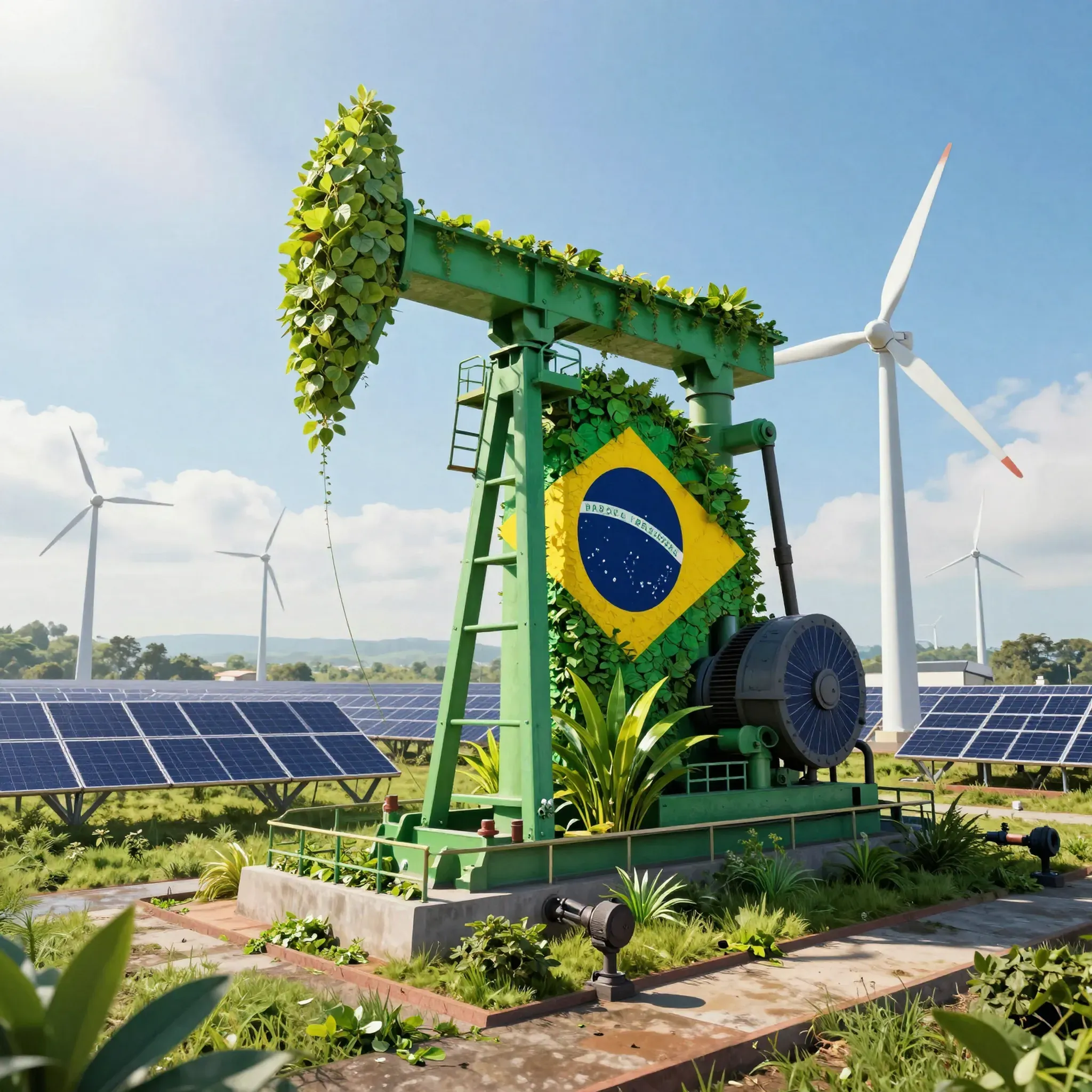
While long in the making, this adjustment comes at a moment when global energy markets are under pressure from shifting geopolitics and climate policy commitments. Producers and regulators alike see biofuels not just as an environmental lever but as a strategic industrial growth driver with implications for global supply chains in agriculture, energy, and advanced manufacturing.
Strategic Breakdown: Policy Levers and Structural Shifts
Brazil's biofuel policy system derives its fundamental structure from the RenovaBio program which the country established in 2017 to create financial incentives for producing and using low-carbon fuels through greenhouse gas reduction credit systems. The policy system which functions as a permanent framework has enabled Brazil to increase its biofuel blend requirements progressively which now ranks the country among the highest biofuel-consuming nations among large economies. The recent mandate hikes, ethanol from 27% to 30% and biodiesel from 14% to 15% exemplify a deliberate shift toward deeper integration of renewables in the transport fuel mix. The gasoline self-sufficiency goal which industry officials describe as this development will enable Brazil to achieve its target because it reduces fossil fuel usage while decreasing vulnerability to fluctuating worldwide oil prices.
Market and Ecosystem Lens: Growth, Investment, and Global Dynamics
Brazil already ranks as the world’s second-largest ethanol producer and consumer, and is projected to maintain this position through the next decade. Ethanol output and consumption in Brazil are both forecast to grow at roughly 2.1% per year under current policy scenarios. The mandatory blending requirement serves as a strong demand driver because the existing timetable forecasts gradual biofuel adoption until 2030 while supporting worldwide decarbonization goals and driving production plant investments. Feedstock markets are experiencing changes. Soybean oil supplies which make up approximately 70% of biodiesel feedstock have moved into premium pricing territory because of domestic demand patterns and worldwide commodity price movements. Brazil’s blend increase also fits within a global policy momentum around sustainable fuels. At the COP30 climate summit, Brazil helped anchor the “Belém 4x” sustainable fuels pledge, a multilateral initiative aiming to quadruple adoption of clean fuels, including biofuels, by 2035.