
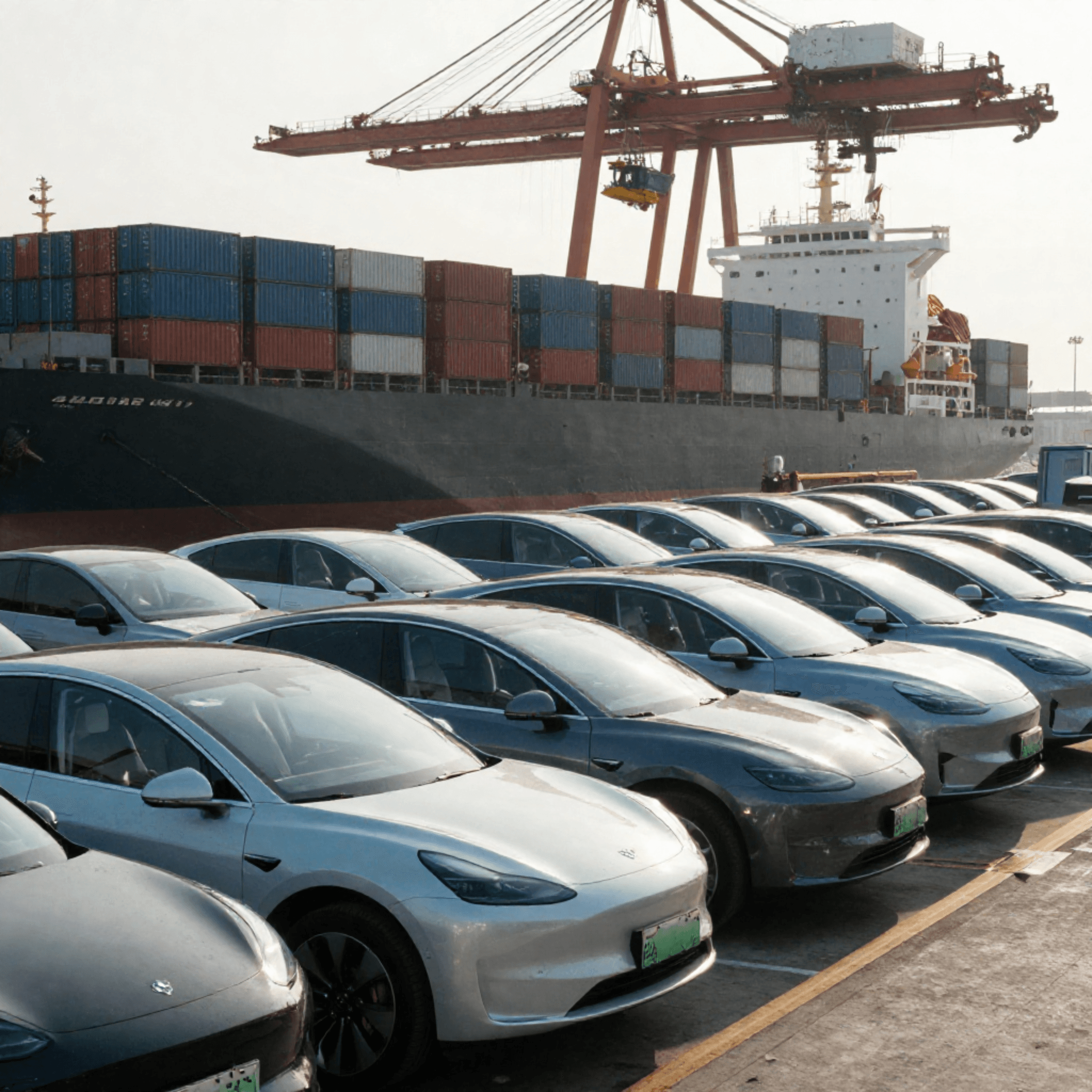
Europe became the second largest destination for Chinese-made electric vehicles in April, with imports climbing 36%, even as Brussels openly worried about what these volumes were doing to the continent's own manufacturing base. Policy anxiety and consumer behavior are clearly not moving in the same direction.
Markets Reshape Demand
The more important story behind these numbers is geographic. Chinese automakers are not betting everything on one or two large markets. The pattern of China EV exports worldwide rise is being built across Southeast Asia, Latin America, the Middle East, and parts of Europe at the same time. That kind of diversification does not happen by accident. It is a deliberate hedge against exactly the kind of regulatory risk that has been materializing in the West. Three things are making this possible. Production costs in China remain well below what rivals in Europe or North America can match. The battery supply chain is deeply integrated in ways that take years to replicate. And the product lineup has expanded into affordable EVs and hybrids that work for buyers in price-sensitive markets. That combination gives Chinese manufacturers room to compete across a much wider range of conditions than most global rivals currently can. There is also something happening domestically that is worth understanding. Competition inside China has become fierce enough that going overseas is no longer a bonus strategy. For many automakers, it is quickly becoming the only way to protect margins and sustain scale. That shift in motivation means the export push is not going to slow down when conditions get difficult. It will likely accelerate.
Competition Enters Reset
For established global automakers, this is the part that should be keeping executives up at night. The ability to deliver affordable electric vehicles at scale forces every competitor to ask hard questions about their own timelines and cost structures. Governments will respond with more tariffs, tighter localization rules, and industrial policy designed to protect domestic capacity. That will reshape the competitive map, but it will not undo the structural advantage China has already built. For investors and capital markets, the signal points toward battery supply chains, charging infrastructure, and EV adoption across emerging markets as areas where the growth case is getting stronger, not weaker. The companies embedded across those ecosystems are well-positioned regardless of how geopolitical tensions eventually resolve.
Auto Order Shifts
April's export data is not just a monthly statistic. It is a marker of something larger already in motion. As China EV exports worldwide rise, shift from a headline trend into a structural feature of the global auto industry, the competition ahead will be decided less by technology breakthroughs and more by who controls the supply chain, who holds pricing power, and who has secured the right market relationships in the right places. China has moved early and moved decisively on all three. The rest of the industry is now working out what a credible response actually looks like, and how much time remains to deliver one. From EV disruption to industrial strategy, InsightSphere delivers intelligence for leaders navigating structural market change.