
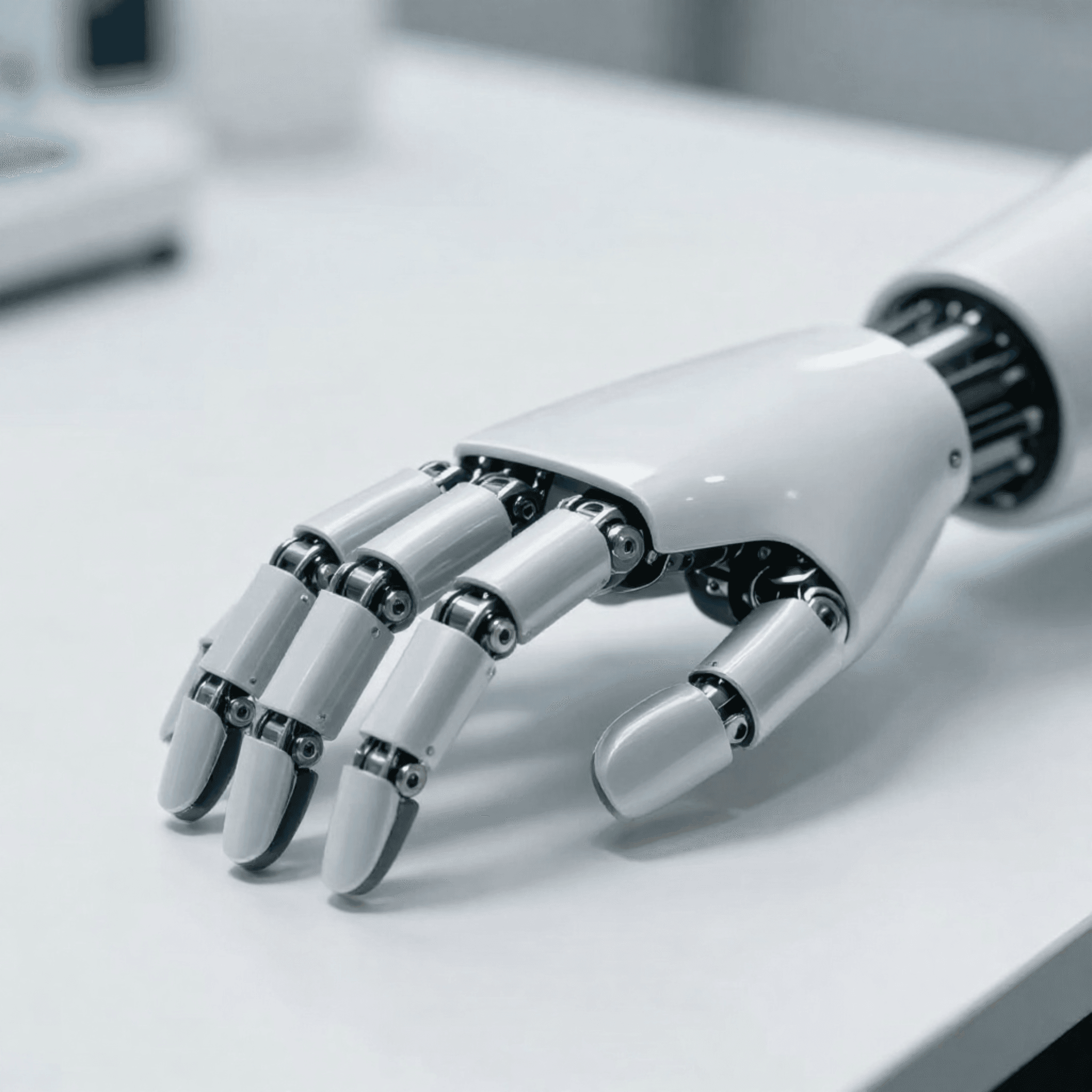
A robot can walk across a factory floor, yet still struggle with the tasks that generate economic value. Picking up a tool, handling fragile objects, sorting products, or operating equipment requires a different level of capability. As the industry moves closer to commercialization, the conversation is shifting from mobility to manipulation.Recent developments in China suggest that robotics companies are increasingly focused on solving that challenge.
Demand shifts toward dexterity
BrainCo, a Chinese company known for developing neurotechnology and advanced prosthetic devices, expects strong growth in demand for its robotic hands this year. What makes this notable is where that demand is coming from.A growing number of humanoid robot developers are adopting the company's five-fingered robotic hands as they work to improve the functionality of their machines. Companies including Unitree Robotics and Leju Robotics are among those integrating more advanced hand systems into their humanoid platforms. The technology was not originally built for robots. It was developed for prosthetic applications, helping individuals regain hand functionality through sophisticated sensing and control systems. Yet many of the engineering challenges are surprisingly similar. Both prosthetic devices and humanoid robots require precision, coordination, responsiveness, and the ability to interact naturally with the physical world.This convergence is creating a new opportunity for companies that sit outside the traditional robotics industry but possess expertise that has suddenly become highly relevant.
Component makers gain relevance
The development offers an important signal about where value may emerge in the humanoid robotics ecosystem.Much of the attention has been directed toward robot manufacturers themselves. However, investors are increasingly looking deeper into the supply chain. Companies building critical components such as robotic hands, sensors, actuators, and control systems are beginning to attract significant interest. Recent financing activity across the sector reflects growing confidence that these enabling technologies will play a central role as humanoid robots move toward wider adoption. At the same time, major technology companies are helping shape the ecosystem through collaborations that bring together AI computing platforms, robotics hardware, and advanced manipulation systems.This pattern is familiar. In previous technology cycles, some of the most durable value was created not only by the companies selling finished products but also by the suppliers providing essential technologies behind them.
Commercial reality takes shape
The real takeaway from this story is not that one company expects higher sales. It is that the humanoid robotics industry appears to be focusing on the capabilities that determine whether robots can generate measurable economic value.The challenge is no longer proving that robots can move like humans. The challenge is enabling them to work alongside humans in environments where precision, adaptability, and dexterity matter. As that transition unfolds, companies solving these practical bottlenecks could become some of the most strategically important players in the market.The next chapter of humanoid robotics may be written not by the robots themselves, but by the technologies that finally make them useful. At InsightSphere, we connect emerging technology trends with the market shifts and investment signals shaping the future of global industries.