
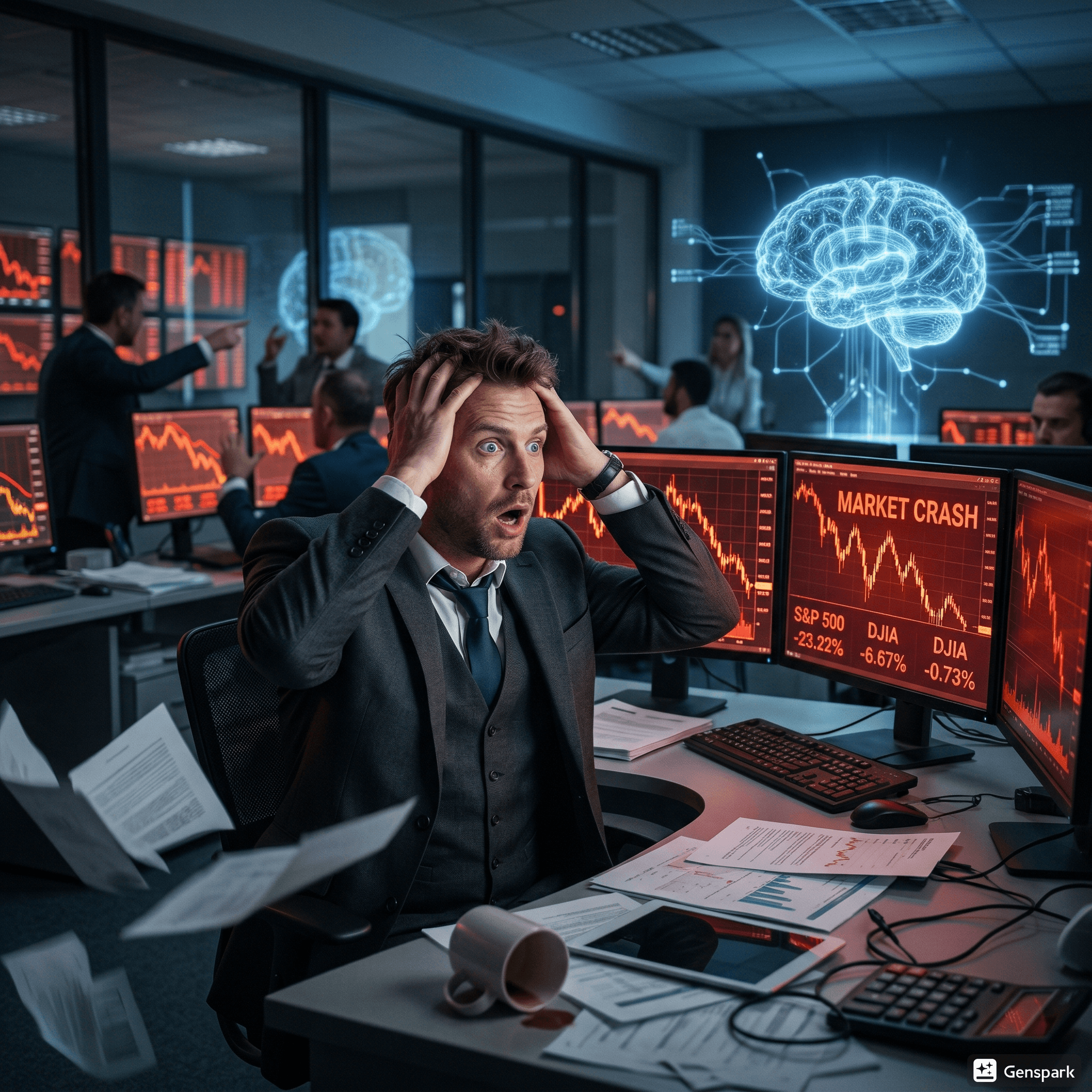
Citrini’s AI model flagged downfall of certain high-multiple equities, citing weakening earnings and tight liquidity conditions. Within a few hours, several names exposed and declined materially, some even dropping between 3-7% in a day. James van Geelen, founder of Citrini said he was shocked by the intensity of response, highlighting that AI output was designed as a risk indicator rather than trading call. Yet in a market system where information travels at digital speed and automated funds react in milliseconds, incidents can quickly vanish.
AI Signals Meet Algorithm
This incident is crucial for transformation in the global capital market, where algorithms and quantifyable strategies account for approximately 60 to 70% of the U.S. equity trading volume (JPMorgan). When AI-generated signals interact with high-frequency interactions, feedback loops can result in price surges. In the last few years, integration of machine learning into hedge fund strategies has increased rapidly. Assets managed by quant hedge funds have increased to almost $1.5 trillion globally, reflecting the institution's appetite for data backed investing (Preqin). Meanwhile, global equity markets have roughly $110 trillion, and a simple shift can erase billions in value within minutes.
Power is Fragility of Narrative
Financial markets have always been sensitive to narratives, but machine learning analytics has the potential to reach millions of investors via social platforms and financial institutions. The founder’s reaction talks about the moral dilemma for AI-driven research firms trying to calibrate communication when probabilistic forecasts may be interpreted as determined predictions. Research from the International Monetary Fund has warned that increased algorithmic trading can increase short-term volatility, especially when models respond to the same signals simultaneously. During stress conditions, herding behaviour may surge prices before human judgement assets equilibrium.