
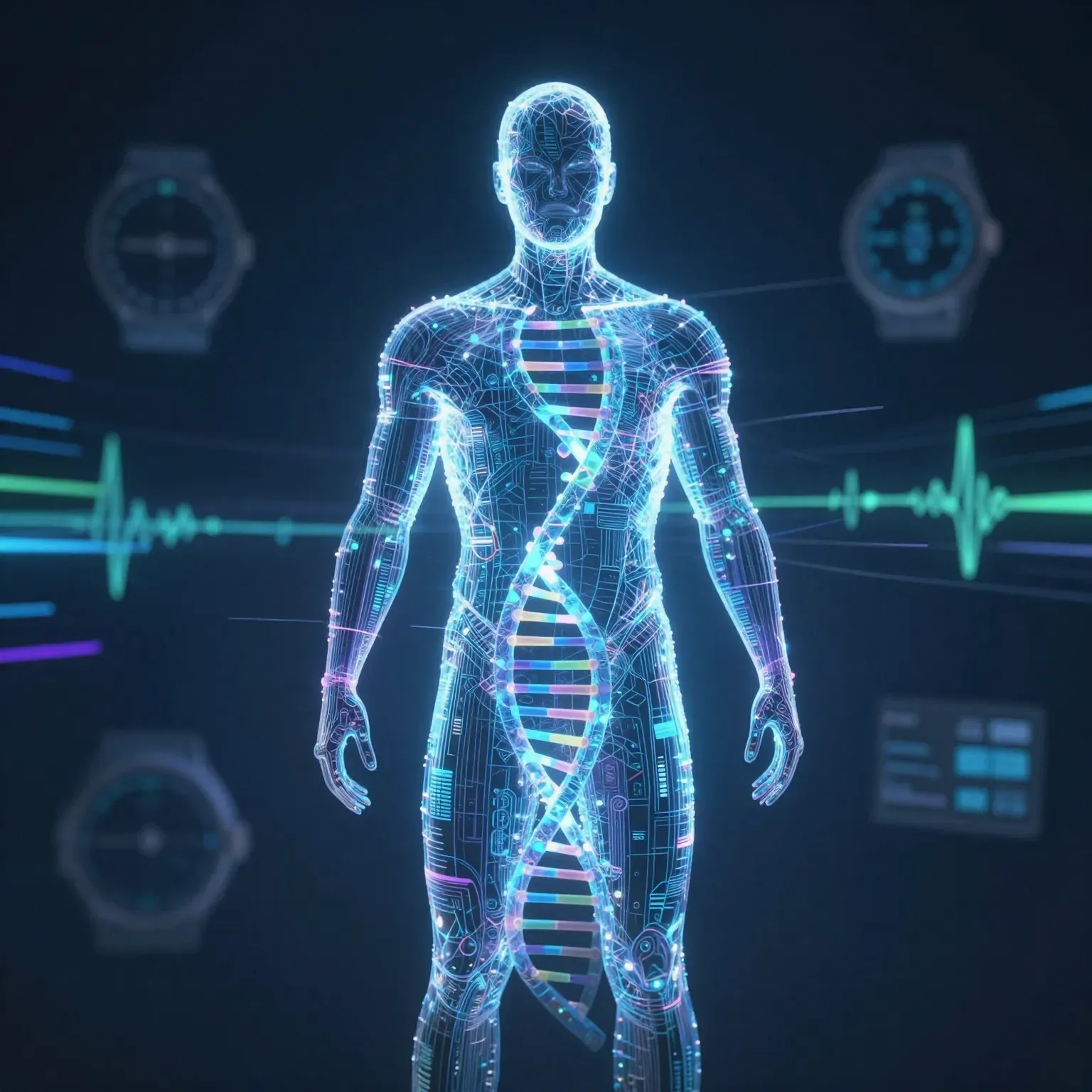
The Rise of Precision Medicine
The journey started in 1998 with the approval of HercepTest, an in vitro diagnostic that made it possible to identify individuals with HER2-positive breast cancer who may receive Herceptin treatment. This milestone not only validated biomarker-based therapy, but it also redefined personalized medicine: delivering the right treatment to right patient at the right time. Precision medicine has advanced quickly ever since then. According to the Personalized Medicine Coalition, personalized medications accounted for 39% of FDA drug approvals in 2021, and about 60% of products in late-stage clinical development currently rely on biomarker data. With in vitro diagnostics (IVDs) providing screening, monitoring, and even post-treatment care, what started in cancer has spread to other fields as well.
Digital Health Measures for Precision Monitoring
Digital health measures (DHMs), also known as digital biomarkers, are a complementary solution in situations when biological mechanisms are not fully understood. These are measurable, digitally recorded data points such as heart rates, step count, and sleep cycles that shed light on the existence, progress, or response to therapy of a disease. For example, wearable sensors can quantify nocturnal scratching in atopic dermatitis by recording hand motions during sleep. Similar to how biological biomarkers monitor tumor response in oncology, variations in this digital signal might reveal the efficacy of a treatment. Digital biomarkers promise to make complicated illnesses quantifiable, predictable, and actionable by converting subjective symptoms into data.
Market Momentum and Strategic Implications
Digital biomarkers have a potentially promising economic future. As per a report by Precedence Research, due to expanding investments in wearable technology and telemedicine, the Asia-Pacific is becoming the fastest-growing area, while North America presently holds a roughly 59% market share. Respiratory and cardiovascular applications are anticipated to achieve exponential growth, while data collection tools lead the market because of developments in IoT-enabled wearables. As insurers increasingly use ongoing patient data for risk assessment and preventative measures, healthcare payers represent the next wave of business opportunities. A revolutionary change from reactive treatment to predictive, tailored therapies is signaled by the convergence of digital biomarkers, artificial intelligence, and precision medicine. What began as wearable-driven wellness data has developed into a global push toward precision treatments, where every step, pulse, and signal can have diagnostic significance. At Insight Sphere, we operate at the intersection of strategy and data, helping organizations navigate the multibillion-dollar digital health frontier, anticipate regulatory shifts, and stay ahead of emerging healthcare trends. Join us while we decode market shifts in digital health turning emerging data trends into strategic foresight for tomorrow’s innovators.