
Bloomberg's latest assessment captured it precisely: the AI boom is lifting trade, consumption, and investment in certain pockets of the global economy while the energy shock is actively holding others back. For business leaders navigating this split, the aggregate headline number is increasingly meaningless. What matters now is which force has the greater grip on your industry.
Energy Meets AI
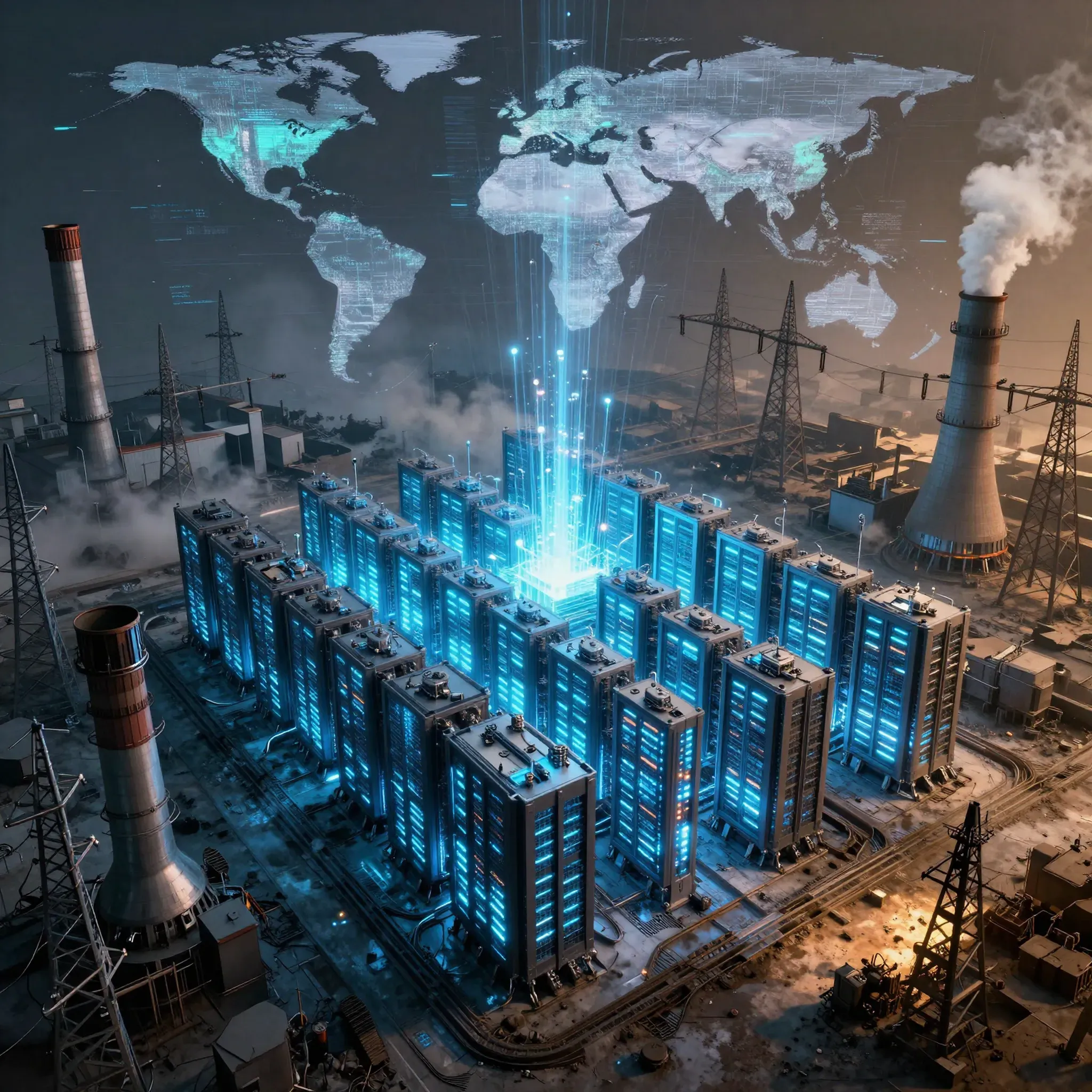
The macro data published in the final days of April makes the divergence impossible to ignore. According to S&P Global, global growth is now forecast at 3.2 per cent for 2026, revised down from 3.4 per cent the prior year, with energy market disruptions originating in West Asia as the primary driver. Analysts are describing the current episode as the most significant energy shock in recorded economic history, with supply routes carrying roughly a quarter of the world's oil running through one of the most geopolitically exposed corridors on the planet. Inflation pressure is returning as a direct consequence, and central banks that had hoped the tightening cycle was behind them are now reassessing their timelines. Rate clarity, which markets had been pricing in, has been deferred indefinitely. Against this backdrop, AI infrastructure investment has continued at a pace that would have seemed implausible three years ago. The paradox is that this digital expansion is itself a major consumer of the energy that the geopolitical shock is making scarce and expensive.
Margins Under Pressure
The consequences of this collision are already visible in operating budgets. For energy-intensive industries, margin pressure is acute and near-term relief is limited. Higher input costs are moving through supply chains faster than pricing adjustments can absorb them. For technology and cloud-dependent businesses, the challenge is different but equally significant. Data centres depend on an uninterrupted, large-scale electricity supply. Any instability in that supply translates directly into elevated operating costs and service continuity risks. Organisations are discovering that their digital infrastructure sits on a foundation of physical energy systems exposed to the same geopolitical forces affecting every other sector. Capital allocation is shifting in response. Investment is moving toward renewable energy contracting, localised power generation, and geographically diversified infrastructure. Firms that once treated energy procurement as a facilities question are reclassifying it as a board-level strategic priority.
Volatility Defines Strategy
The planning assumptions that served most organisations through the previous cycle no longer hold. JPMorgan's scenario modelling indicates that if current energy disruptions persist and escalate, cumulative global GDP could contract by more than one and a half percentage points while inflation climbs over two percentage points, a stagflationary shock comparable in severity to the crises of 1979 and 1990. Even the more optimistic base case carries sustained uncertainty through the remainder of the year. The organisations that will define the next competitive tier are not those waiting for the picture to clarify. They are the ones treating energy resilience and AI-led transformation as integrated strategic priorities rather than separate concerns. The split in the global economy is not temporary noise. It is the new operating environment. At InsightSphere, we connect the dots between capital markets, technology, and the business decisions that matter.