
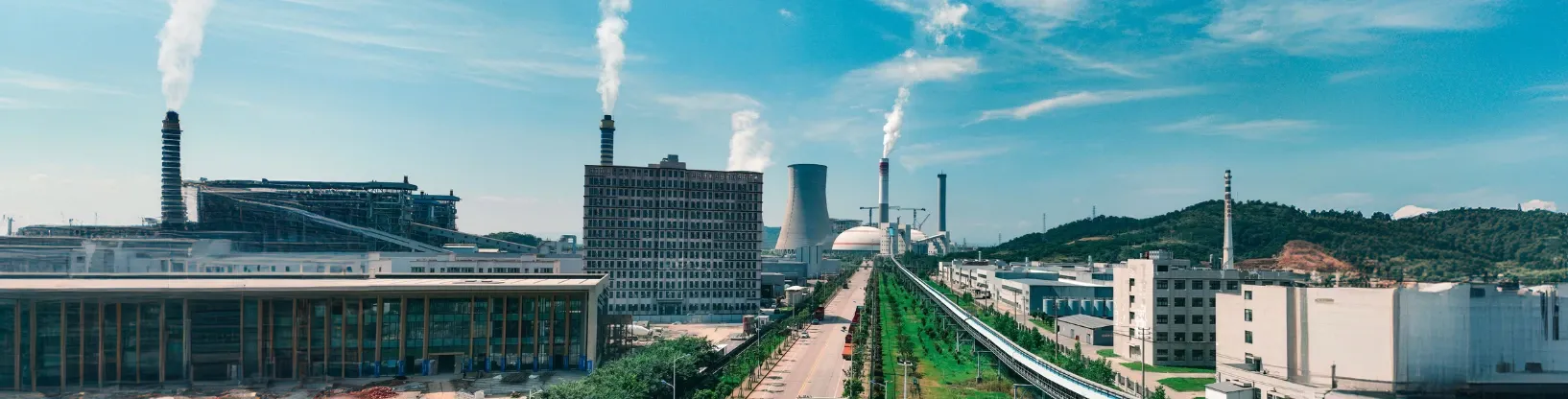
European manufacturers face mounting pressure from Chinese rivals
Jens Eskelund, president of the European Union Chamber of Commerce in China, warned on 10 November 2026 that European manufacturers could stop trying to compete with Chinese companies by 2030 if current trends continue.
The economic consequences could be substantial. Chinese exports could reduce the EU's gross domestic product (GDP) by 0.5%, with Germany facing a potential decline of 0.9%. European carmakers, chemical producers and renewable energy businesses are particularly exposed. BMW, for instance, reported a 22% decline in sales in China, highlighting the difficulties facing European brands in a market increasingly dominated by domestic competitors.
Eskelund also warned that China's push towards industrial self-reliance was not unexpected. Beijing has outlined its plans to replace imported products with domestically manufactured alternatives for years.
China's expanding European footprint raises fresh concerns
Competition is no longer limited to Chinese goods entering Europe. Chinese companies are increasingly establishing factories and supplier networks within the region.
Central and Eastern Europe has attracted more than half of Chinese investment into the EU and Britain since 2021, with major projects in Hungary, Slovakia and Serbia focused on electric vehicles, batteries and automotive components.
These investments could create employment and support Europe's transition towards cleaner energy. However, they also raise concerns about dependence on Chinese-controlled technologies and essential industrial supplies.
The EU's goods trade deficit with China exceeded €370 billion in 2025, illustrating the scale of the imbalance between the two economies.