
Shift to Defense
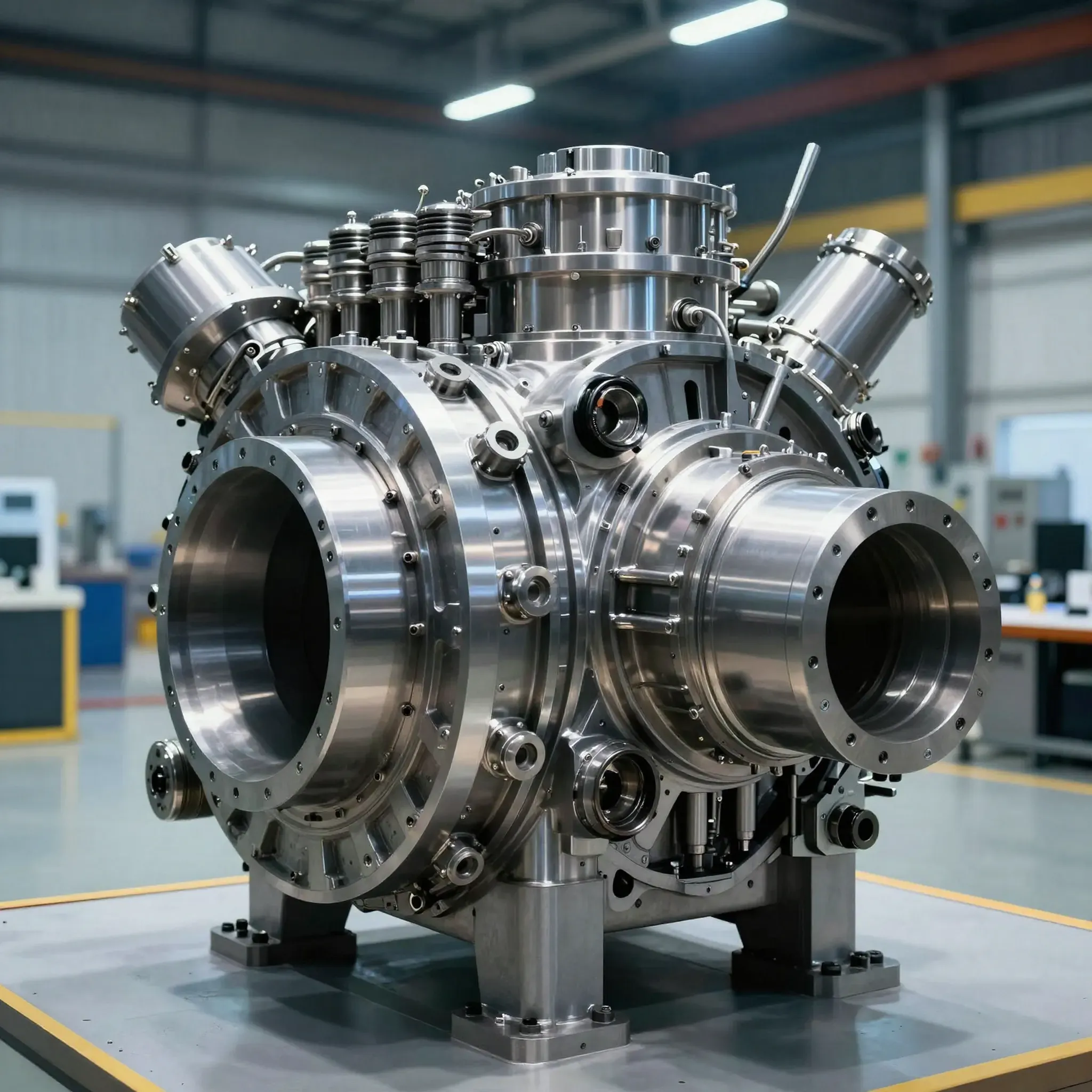
This shift to obtain defense contracts is a deliberate response to the current changing market opportunities. Governments across the world, especially Europe are increasing their spending on military capabilities with modern fleets and investing in high tech innovations. By adapting their engineering expertise to meet its defense requirements, the manufacturer positions itself to secure high-margin contracts that include commercial aviation and automotive tools. Such diversification into defense allows companies to stabilize revenues in times of fluctuations. Engine manufacturers this means supplying powertrains for military vehicles, naval vessels, and aerial drone systems.
Revenue Generations
Revenue projections indicate that a substantial portion of year-on-year increase is driven by multi-year defense contracts and production capacity for specialized systems. Analysts estimate that defense oriented systems could contribute up to 10-15% of the total revenue within two years. Also, long-term contracts in the defense often include structural payments associated with project milestones. This provides a constant cash flow and supporting investment in research and development.
Geopolitical Tension Drives Adoption
Global geopolitical tensions have increased especially with the recent US-Iran war, crisis in the Middle East and Israel-Palestine ongoing war. The demand for defense capabilities, with modern military programs across NATO countries, combined with domestic defense spending in Germany creates a suitable space for industries to deliver high-performance engine solutions. Also, supply chain disruptions in other sectors gives a strategic advantage to domestic defense manufacturing. Enterprises that mastered engineering capacities are now using this experience to meet reliability and regulatory requirements by obtaining government contracts.
Outlook and Industry Significance
The transition from manufacturing to defense is about investing in next-generation systems making energy-efficient engines. These innovations lead to technologies for commercial applications, implementing the company’s broader perspective. Government partnerships with research institutions and defense labs enhances the company’s ability to deliver customized solutions. Looking forward, the company’s defense positioning is to capitalize on sustained growth opportunities amid uncertain commercial markets. Analysts suggest that industries that are capable of advanced engineering systems with defense requirements will benefit from revenue systems, improved margins and improved strategic growth in Europe’s industrial landscape. As commercial markets are facing pressures and technological disruptions that align with the competitive markets like defense or critical infrastructure offers stability as well as long-term growth opportunity.
Conclusion
The German engine manufacturer’s shift to defense talks about strategic shift, technological expertise and its jump into an opportunity for macroeconomic and geopolitical trends. This could unlock revenue channels by investing in specialized engines, forging government partnerships. By leveraging innovation the company can not only strengthen its financial performance but also use its industrial landscape in a highly competitive sector. Follow Insight Sphere for data-driven analysis on industrial strategy, market pivots, and the forces shaping Europe’s high-tech manufacturing landscape.