
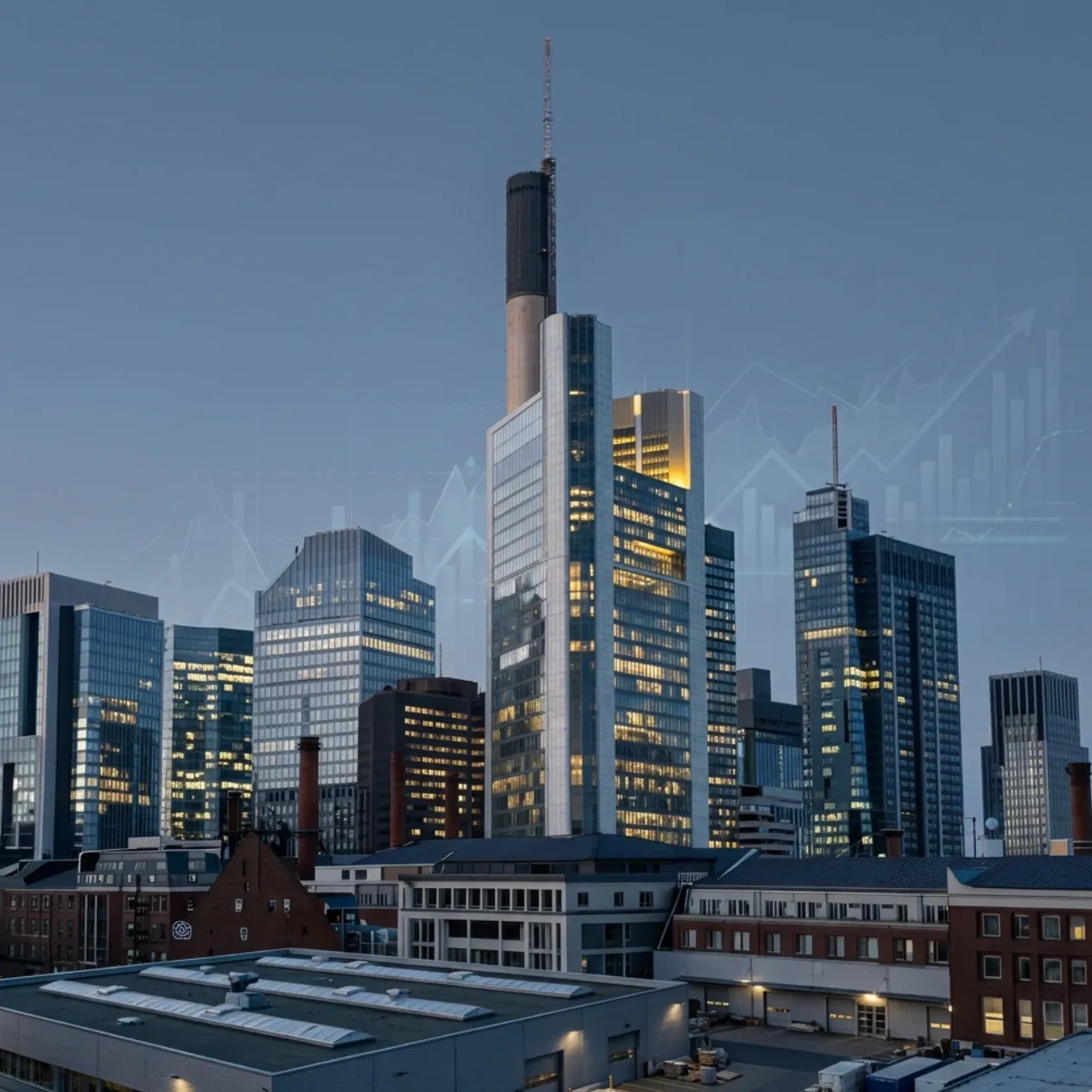
Growth Returns After Contraction
For the first time in four months, Germany's private sector is finally growing again, and it is manufacturing that deserves most of the credit. S&P Global's Composite Flash Purchasing Managers' Index climbed to 51.2 in July, up from June's final reading of 49.5, coming in ahead of the 49.8 that analysts had penciled in. Since anything above fifty signals expansion, this number marks the end of a bumpy three-month stretch that kicked off right after the Middle East conflict first erupted. Still, nobody is popping champagne just yet. Fighting in the region has flared up again lately, sending global energy prices climbing, and that has economists staying cautious about whether this recovery actually has legs.
Manufacturing Leads the Turnaround
Manufacturing was the standout story this month. The flash manufacturing PMI shot up to 52.2 in July from 50.3 the month before, blowing past the 50.5 that analysts had predicted. Phil Smith, economics associate director at S&P Global Market Intelligence, said the sector's output grew at its fastest pace in nearly four and a half years, a sign that industry may finally be turning a corner. Services, though, painted a different picture. That PMI moved up to 49.6 from 48.6, its strongest showing in four months, but it still fell short of the fifty mark needed for real growth. New business across the board rose for the first time since February, thanks to a small pickup in services demand and faster order growth on the manufacturing side. Job cuts kept happening, but at the slowest rate since December, and business confidence hit a five-month high, which hints that companies are feeling a bit more hopeful as the third quarter gets underway.
Recovery Meets Energy Risk
The manufacturing comeback is good news for an economy that has been under pressure across its export-heavy industries for a while now, but there is a catch. Input costs are rising again after hitting a four-month low in June, partly because a temporary fuel tax break from the government just expired, and partly because services companies are facing higher expenses of their own. Add in oil prices climbing as the Middle East conflict drags on, and Smith warned that another wave of inflation could be building. That is a real concern for German industry specifically, since so many of its key sectors run on heavy energy use, and it means the recent gains in output could get eaten away by tighter margins and pricier inputs before long.
Recovery Remains Cost Sensitive
Getting back into growth territory is a genuine win for Germany after months of contraction, but the gap between a thriving manufacturing sector and a services sector that is still lagging shows just how lopsided this recovery is right now. What happens next depends on whether stronger orders and improving sentiment can turn into something lasting, or whether another energy-driven inflation spike knocks it all off course. Interestingly, this upbeat data came the same day Wall Street had a rough go of it, with the Dow, S&P 500, and Nasdaq all sliding, a reminder that global markets are still on shaky ground. InsightSphere keeps a close eye on the economic and market signals shaping Europe's next growth phase, linking industrial trends, inflation risks, and policy moves to the decisions business leaders are facing right now.