
Price Gaps Drive Opportunity
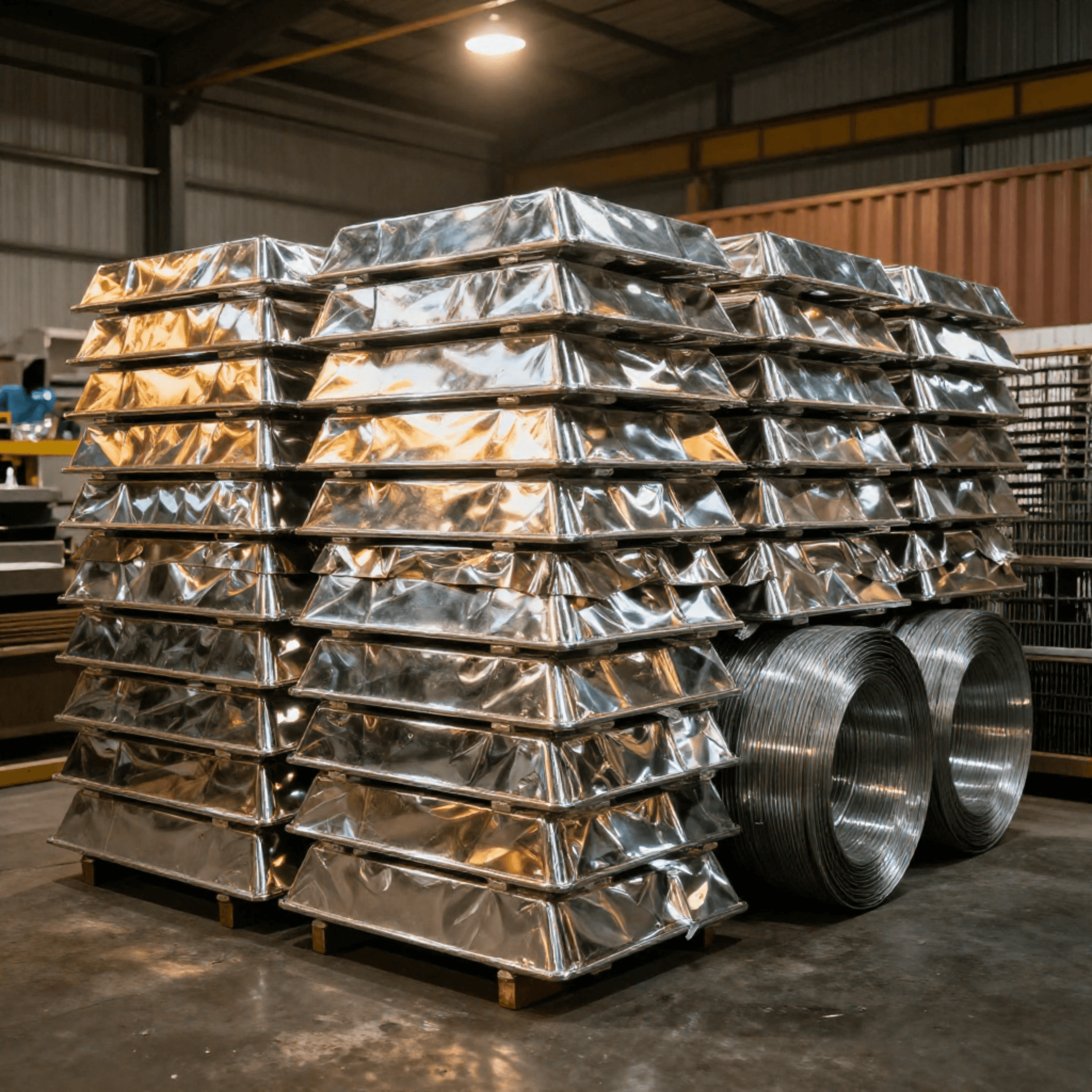
At its core, the Global Aluminum Rally comes down to a widening imbalance that is proving very difficult to ignore. The conflict in the Middle East disrupted output from one of the world's more consequential aluminium-producing regions, tightened international supply, and pushed LME prices to levels not seen in four years. Back in China, sluggish domestic demand and a slowing economy mean local prices simply have not moved with the same urgency. The result is a price gap between international and Chinese markets that is now at its most pronounced since early 2022. For Chinese producers sitting on significant capacity, that gap is not an abstraction. It is a direct invitation to ship more products abroad, and many of them are already taking it.
Global Tightness Meets Chinese Supply
When a key producing region stumbles, the rest of the world feels it quickly, and it starts looking toward China almost by default. April export figures already showed a 15% jump, with shipments touching 598,000 tons, the strongest monthly reading since late 2024. Industry analysts are now pointing toward a potential new record, with monthly outflows possibly crossing 680,000 tons in the near term. On the ground in China, production hubs like Henan province are running factories at full tilt to keep up with overseas order books. Products like ultra-thin battery foil are moving fast, and executives at major manufacturers are openly talking about a sharp uptick in international sales through the second quarter. The supply response is already underway.
Trade Dynamics Begin to Shift
Here is where the Global Aluminum Rally starts mattering beyond trading floors and commodity desks. Certain product categories are already seeing the shift most clearly. Aluminium rods used in power grid infrastructure, which were carved out from a recent tightening of Chinese export rebates, are attracting strong international interest. So are aluminium alloys used in automotive wheels. These are not niche products. They feed directly into the clean energy buildout, infrastructure investment, and vehicle manufacturing pipelines that much of the world is depending on right now. As Chinese factories run harder to meet that demand, the question businesses need to be asking is not just whether supply will show up, but how long they are comfortable depending on a single geography to keep their operations running smoothly.
Markets Follow Industrial Power
What the Global Aluminum Rally is ultimately teaching us is that commodity prices today do not move in isolation from the world around them. A conflict in one region sent international aluminium to four-year highs, blew open a price gap that is now drawing record Chinese shipments, and simultaneously raised questions about whether China's own supply could tighten if domestic energy and emissions policies force smelters to pull back. That last point is worth sitting with. The same country that is being counted on to ease a global shortage is also facing internal pressures that could limit how much it can actually deliver. For business leaders, that layered uncertainty is the real story here. Managing commodity exposure today means understanding geopolitical dynamics, national policy shifts, and trade realignment all at once, not just watching a price ticker and hoping for the best. At InsightSphere, we connect the dots between global commodities, industrial markets, and the economic forces shaping tomorrow’s business decisions.