
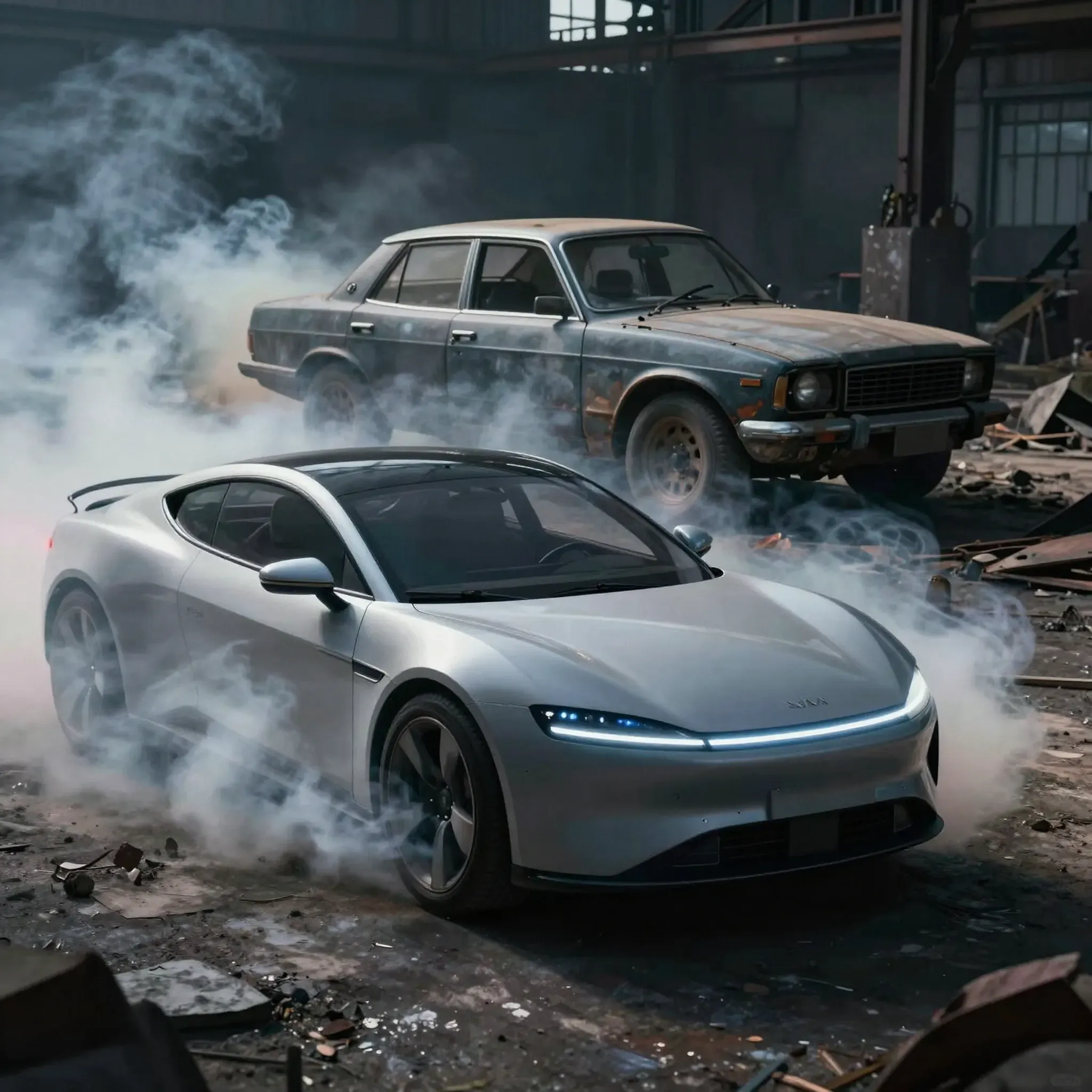
Honda's results arrive against a backdrop of slowing global EV demand growth and intensifying competition from Chinese manufacturers who continue to push prices lower across every market segment. What Honda is experiencing today is not an isolated event. It is an early signal of a more demanding phase in the automotive industry's electrification journey.
Investments Face Repricing
The impairment charge Honda recorded spans EV-related assets, forward-looking capital commitments, and restructuring initiatives the company had previously set in motion, according to reporting by Reuters. Honda is now doing what most automakers have been reluctant to say out loud. The EV rollout is moving more slowly than the business case originally assumed, and the adoption numbers that justified those early investment decisions simply have not materialised the way anyone expected. That gap between projection and reality is forcing Honda to go back and question some fairly fundamental bets it made not too long ago. Despite the headline loss, Honda's core business areas, including hybrids and motorcycles, continue to demonstrate stable demand across several key markets, providing some cushion against the headline numbers. Across the broader industry, rising capital expenditure on battery development, software ecosystems, and the retooling of manufacturing infrastructure is compressing margins at nearly every traditional automaker. Pricing pressure from Chinese EV competitors is now forcing global brands to reconsider aggressive electrification timelines they announced with considerable confidence just a few years ago.
Margins Enter Pressure
Honda's results put a clear number on what capital markets have been debating quietly for some time: EV scale does not automatically translate into profitability. Investors are increasingly shifting how they evaluate automakers, placing greater emphasis on execution efficiency, supply chain control, and long term margin sustainability rather than the volume of EV announcements a company can produce. This recalibration in investor sentiment is likely to accelerate consolidation across the industry, encourage new strategic partnerships, and push some manufacturers toward selective delays in their EV manufacturing expansion plans. Hybrid vehicles, once considered a transitional technology, may now regain significant strategic importance as automakers attempt to balance emissions compliance with near-term financial performance. Perhaps most notably, this environment strengthens the competitive position of manufacturers who have already achieved vertical integration across their battery ecosystems and can sustain lower production costs at scale.
Industry Faces Reset
Honda's annual loss is not simply a one-time accounting event to be set aside once the write-down is absorbed, as the New York Times also noted in its coverage of the earnings. It represents the broader recalibration that is now underway across the global automotive industry as ambition-driven growth strategies meet the harder realities of capital discipline. The race toward electrification is entering a phase where the winners will be determined not by who announced the boldest EV roadmap but by who can build resilient, profitable mobility ecosystems capable of surviving sustained margin pressure. Capital markets are making this expectation clear, rewarding operational realism over aggressive transition narratives. For global automakers, the stakes of this next phase of competition are as high as any the industry has faced in decades. InsightSphere connects emerging market signals with the strategic shifts influencing global industries and investor confidence.