
Fiscal Pressures Intensify
This isn't a one-off ask. Back in January, the World Bank and the Indian government had already set up a five-year partnership under which the bank agreed to provide eight to ten billion dollars a year to support India's push to become a developed economy by 2047. The new loan being discussed now sits inside that larger commitment rather than outside it. The World Bank has said it's talking to the government about reforms that would help create more private sector jobs and keep growth on a steady footing. Meanwhile, the war in West Asia has hit India's budget harder than most people expected. Energy supply disruptions forced the government to spend more on subsidies just to keep oil prices from hurting consumers too badly. Fertiliser costs went up too, and the subsidy bill there nearly doubled as the government tried to keep farmers insulated from rising input prices. Add it all up, and the fiscal deficit has gone wider than what was planned, leaving less room to spend freely elsewhere.
Capital Strategy Shifts
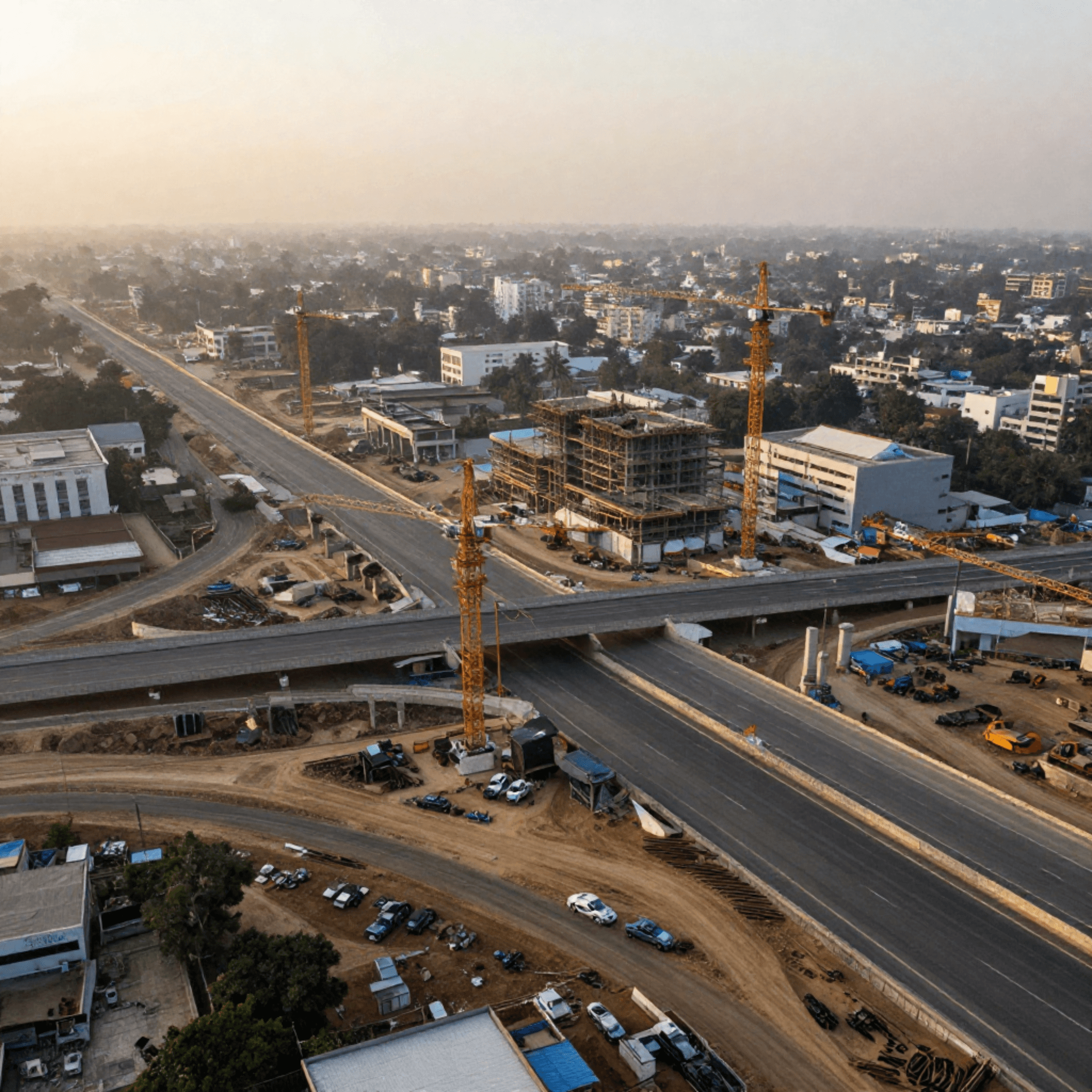
When subsidies eat up a bigger share of the budget, something else has to give, and in this case, it's the room available for big infrastructure projects. That's the gap multilateral funding is stepping into. Instead of borrowing more at home, the government is pulling on credit lines it already has access to, which keeps urban development and transport projects moving without putting extra pressure on domestic bond markets. For sectors like construction, cement, steel, and logistics, this matters quite a bit. It means ongoing projects are less likely to get stuck or delayed because of the subsidy crunch. It also sends a signal to investors that India isn't planning to slow down on infrastructure just because of an external shock, even one as disruptive as a regional war.
Resilience Through Financing
What this really shows is a government trying to manage two things at once: protect citizens from the immediate cost of the war's fallout, and still keep its longer-term growth plans intact. Tying the new loan talks to an existing five-year framework with the World Bank suggests this isn't a scramble for cash but a fairly deliberate move. Geopolitical shocks aren't going away anytime soon, and how countries respond to them with their budgets will keep mattering. For India right now, leaning on lower-cost multilateral funding looks like a sensible way to absorb the hit without putting its infrastructure ambitions on hold. At InsightSphere, we keep an eye on how moments like this, where geopolitics and domestic policy collide, end up shaping the decisions businesses and governments make next.