
Commodity Trade Restructured
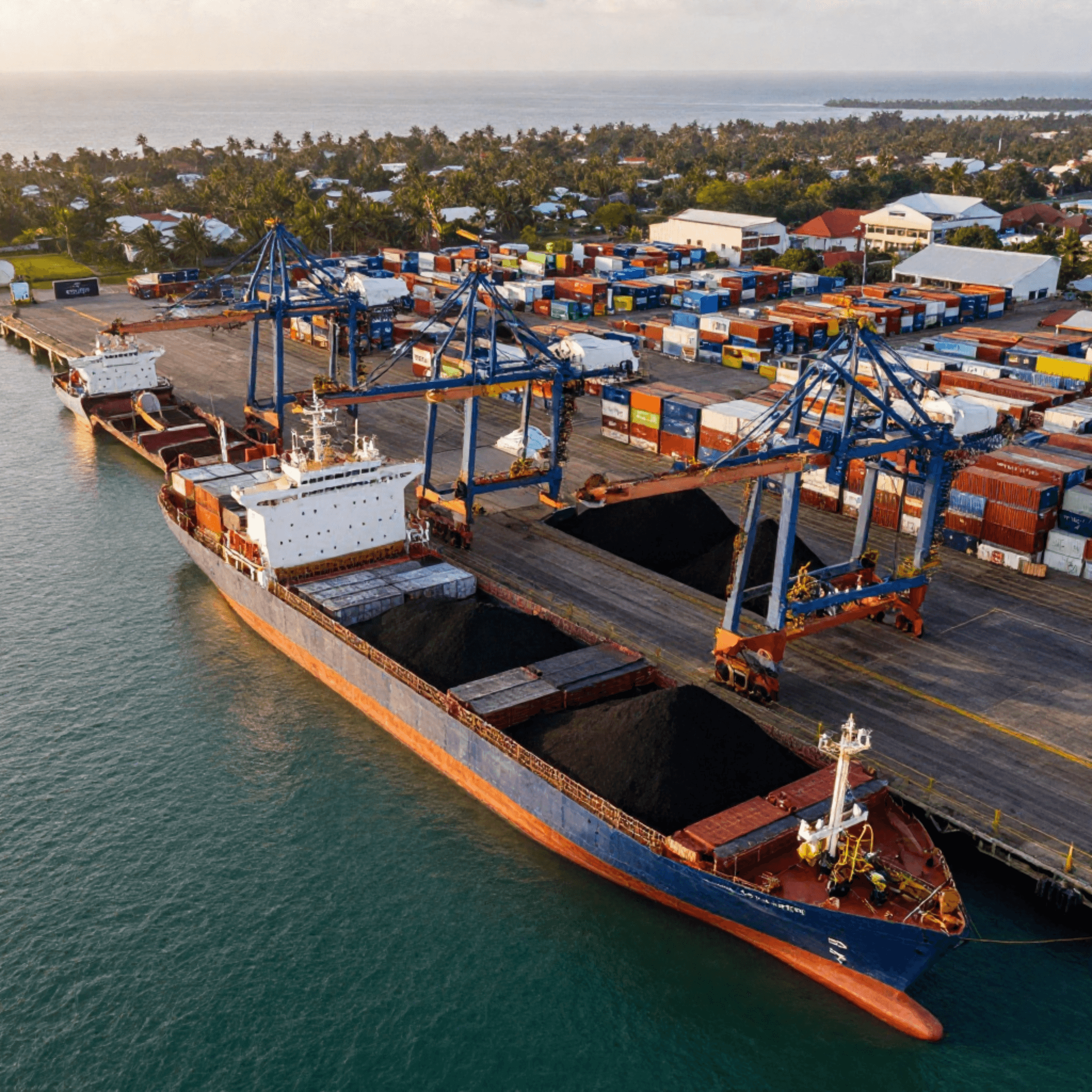
The core of the proposal involves routing exports of coal, palm oil, nickel, and other strategic commodities through a government-linked entity rather than leaving private exporters to operate independently. Indonesian policymakers are eyeing a full rollout of policy details in the coming weeks, with the framework specifically designed to address long-standing concerns around pricing gaps, underreported export values, and inconsistent foreign exchange returns. The intent is clear: bring more discipline and state visibility into a trade system that has largely run on private terms for years. Sector-specific exemptions remain a point of active discussion, and industries across the board are waiting to see exactly where the lines get drawn and which commodities face the tightest controls first.
Supply Chains Recalibrate
The consequences of this shift will not stay inside Jakarta's policy corridors for long. Businesses that depend on Indonesian commodities, from EV battery makers hunting for nickel to energy companies securing coal supplies, are already asking hard questions about what comes next. New pricing mechanisms, centralized approval systems, and restructured contracts could land on procurement desks faster than many firms are prepared for. Nickel is the name that keeps coming up, and for good reason. Indonesia is the world's largest nickel producer, and any friction introduced into that pipeline hits battery manufacturers and automakers directly. The country is also the world's largest palm oil producer and a top coal exporter, meaning the commodity footprint of this policy stretches across multiple industries simultaneously. The framework is designed to address underreporting of export values and stabilize foreign exchange returns, two pressure points that have quietly cost Indonesia real economic value for years. This move fits squarely within the broader pattern of resource nationalism that global supply chains are only beginning to fully reckon with.
Control Meets Complexity
What Indonesia is attempting here is genuinely ambitious. The government is trying to convert raw commodity abundance into something more strategic, more deliberate, and more economically rewarding for the state. Whether that works depends entirely on how the policy is designed and enforced on the ground. A well-structured framework could deliver stronger pricing power and more consistent export revenues. A poorly executed one risks introducing bureaucratic delays, deterring long-term foreign investment, and nudging buyers toward alternative suppliers in other markets. The details arriving over the next few weeks will reveal a great deal about which direction Indonesia is truly heading. At InsightSphere, we decode the strategic shifts shaping global markets, supply chains, and the business decisions that define tomorrow's economy.