
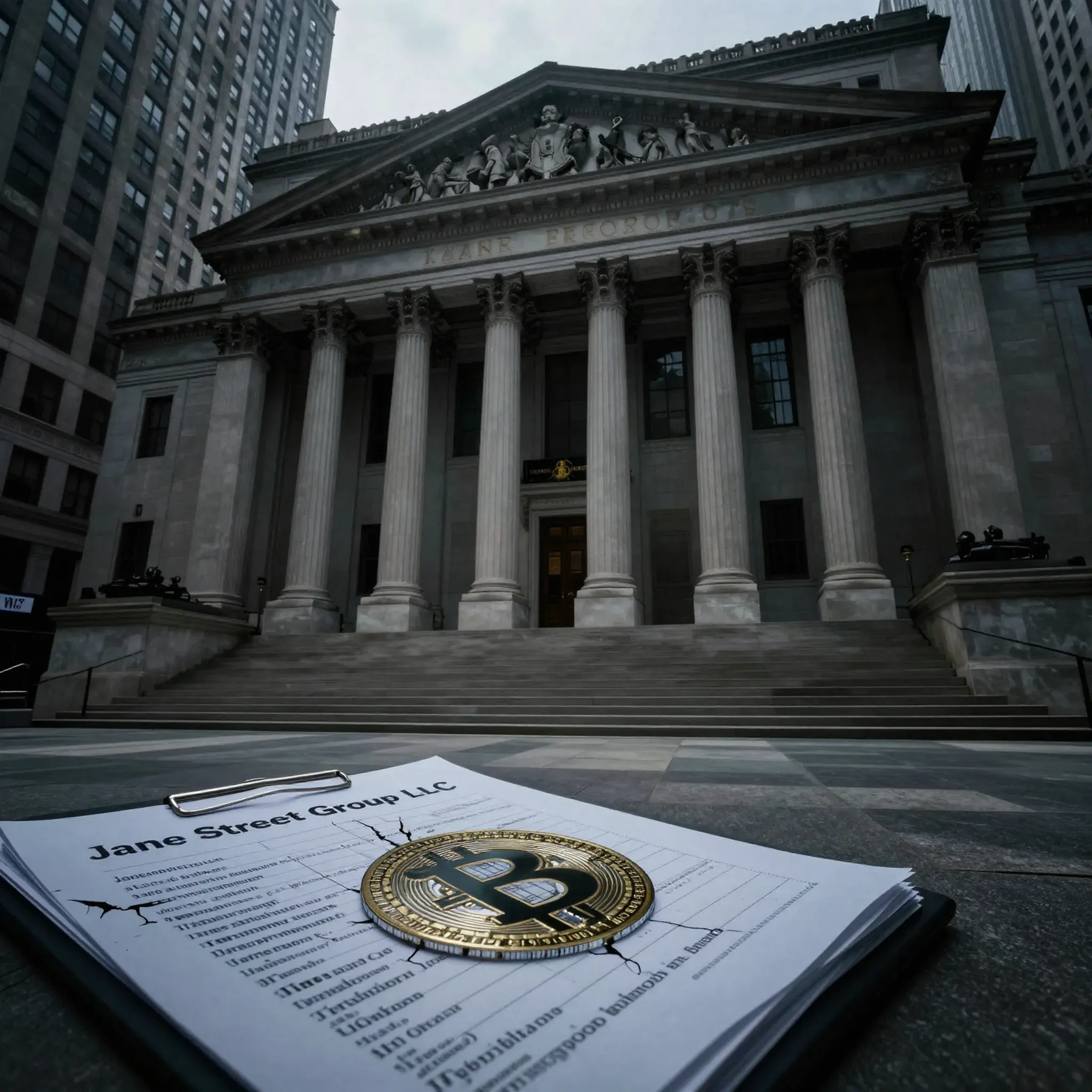
The lawsuit included allegations that Jane Street had obtained confidential information from insiders at Terraform Labs, which included details about liquidity decisions that were not publicly disclosed. This enabled highly profitable transactions to take place before the market opened and other participants learned about these developments. The complaint highlighted a sequence of events on May 7, 2022, just two days before Terra’s stablecoin TerraUSD (UST) lost its dollar value and triggered a collapse: Terraform withdrew 150 million UST from Curve3pool decentralized liquidity pools without public knowledge. Within 10 minutes, a wallet linked to Jane Street sold 85 million UST, a transaction which was described in the suit as Jane Street’s largest ever single swap involving a token. According to the administrator’s filing, the timings and scale of Jane Street trades suggest they were informed by confidential signals and not public data but these actions have worsened the downward spiral of UST and Terra’s confidence. The lawsuit included several defendants such as Jane Street Group LLC, co-founder Robert Granieri, and employees Bryce Pratt and Michael Huang. Pratt is a former employee of terraform and established contact with former terraform colleagues after joining Jane Street and released non-public information.
Terra Collapse, Claim Size and Prior Litigation
The Terra-Luna collapse in May 2022 was one of the most consequential failures in digital asset history, wiping out $40 billion in market value within days after dollar loss. The fallout collapsed the crypto system contributing to failures of prominent lenders and platforms. Terraform filed for bankruptcy in 2024, and founder Do Kwon extradited to the U.S. pleading guilty to fraud charges and sentenced to 15 years in prison. This lawsuit follows a separate $4 billion claim by Snyder filed in late 2025 against Jump Trading. Alleging the company benefitted from non-public knowledge and contributed to failing to UST.
Broader Market Implications
The legal theory points out that trading firms can be held liable for using confidential information obtained through “back-channel” communications. This case throws a highlight on expanding interpretations of insider trading into decentralized finance (DeFi) where traditional securities lack boundaries. This will also help set precedent for how bankruptcy estates pursue claims against sophisticated liquidity providers. Analysts suggest that case may redefine their access to crisis-level communications and can be treated as insider trading.