
What Rapidus Is Actually Trying to Pull Off
The truth is that most boardrooms have not fully reckoned with what concentrated chip dependency actually costs. Taiwan and South Korea have dominated global semiconductor fabrication for so long that the risk started to feel theoretical. It no longer does. Japan's move is part of a broader, accelerating shift. Governments everywhere are scrambling to build domestic chip capacity, and global enterprises are being forced to ask hard questions about where their technology supply chains are actually anchored. It is not just policymakers reacting. Companies like NVIDIA and SoftBank are reportedly exploring Japan as a more stable, politically insulated home for chip manufacturing, a development that puts real pressure on the existing Taiwan-South Korea dominance. When companies of that scale start redirecting attention, the ripple effects reach every sector that depends on advanced semiconductors, which, increasingly, is every sector.
More Than Just Chips
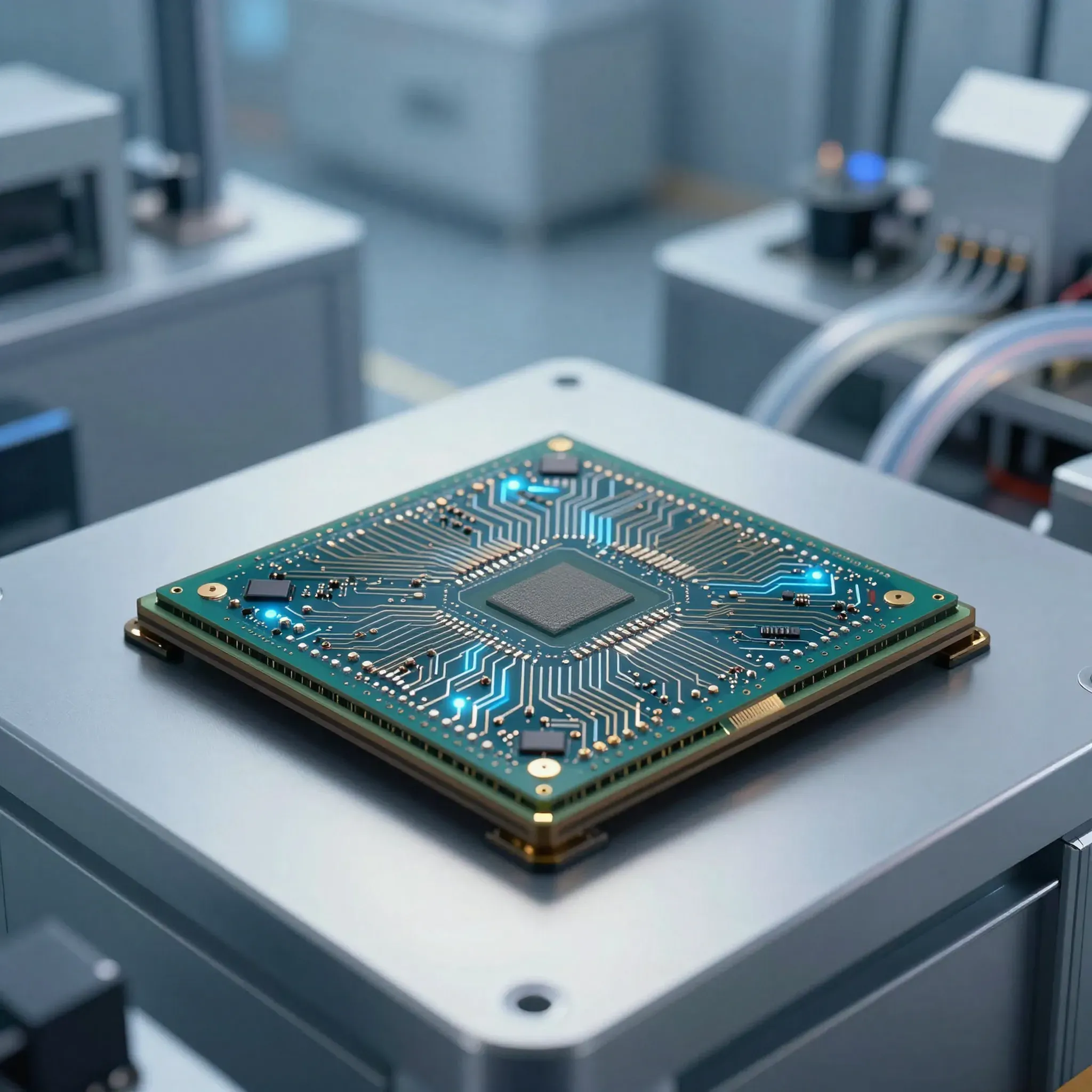
Here is what makes this story worth following closely. Rapidus is not chasing yesterday's technology. It is targeting 2-nanometre chip production by late 2027, the same frontier that powers the most advanced AI models, next-generation data centres, and the automation systems reshaping entire industries. The latest round of funding is tied directly to development work with Fujitsu, one of Rapidus' earliest committed clients. What stands out, though, is how the money was released. An independent technical committee physically reviewed progress at the Hokkaido foundry before Tokyo signed off. That detail matters; it tells you this government is watching execution, not just headlines. Add to that a roster of backers that includes Sony, Toyota, SoftBank, and IBM, and then factor in that the government has taken a golden share in the company, giving it veto power over critical decisions, and the picture becomes clear. Rapidus is not being run like a startup. It is being treated like critical national infrastructure.
Supply Chains Take Note
The truth is that most boardrooms have not fully reckoned with what concentrated chip dependency actually costs. Taiwan and South Korea have dominated global semiconductor fabrication for so long that the risk started to feel theoretical. It no longer does. Japan's move is part of a broader, accelerating shift. Governments everywhere are scrambling to build domestic chip capacity, and global enterprises are being forced to ask hard questions about where their technology supply chains are actually anchored. It is not just policymakers reacting. Companies like NVIDIA and SoftBank are reportedly exploring Japan as a more stable, politically insulated home for chip manufacturing, a development that puts real pressure on the existing Taiwan-South Korea dominance. When companies of that scale start redirecting attention, the ripple effects reach every sector that depends on advanced semiconductors, which, increasingly, is every sector.