
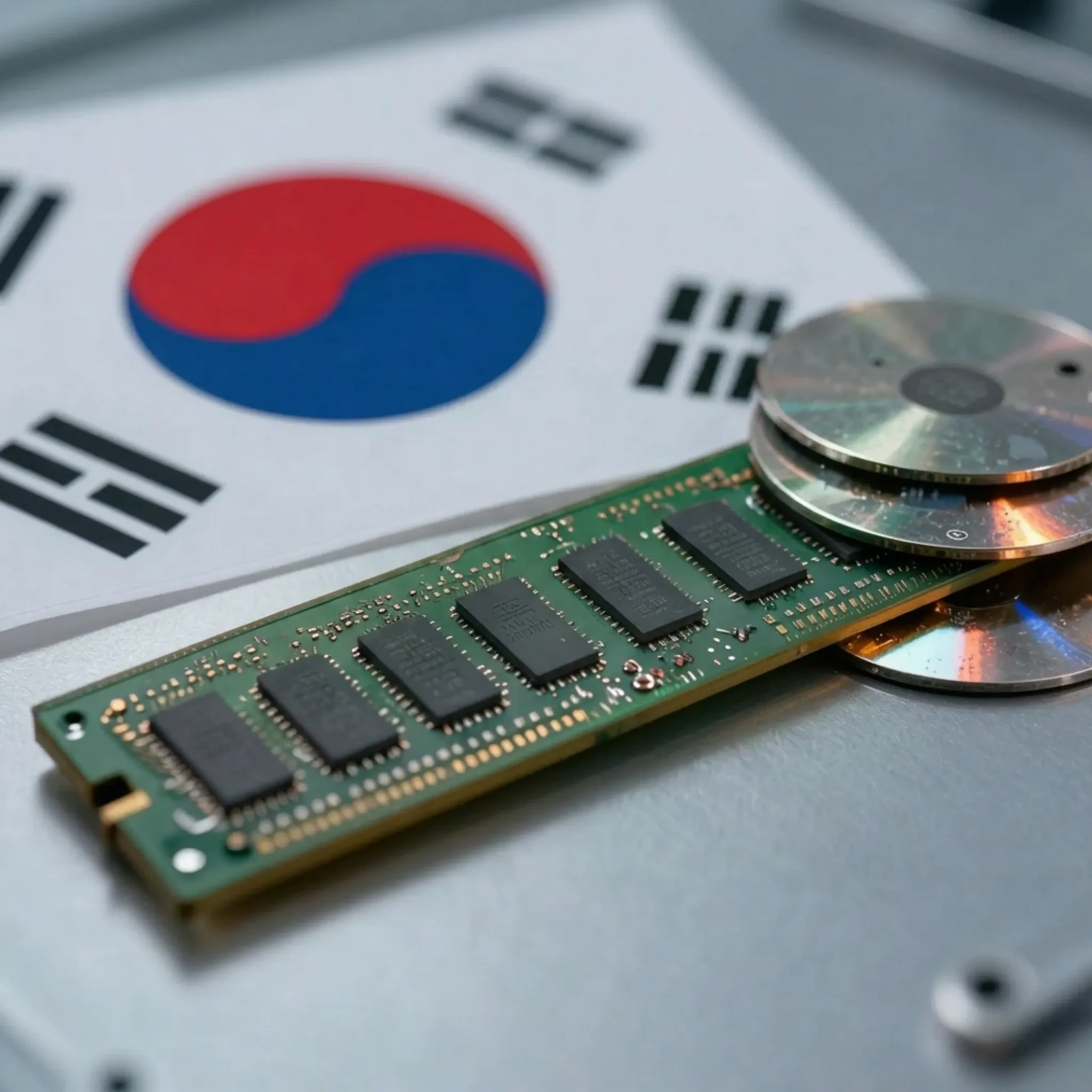
Chip Stocks Rebound
Samsung Electronics and SK Hynix each surged more than 9% as investors returned to the stocks considered most central to the global AI buildout. Both companies dominate the high bandwidth memory market, a segment that sits at the critical intersection of semiconductor manufacturing and artificial intelligence infrastructure. When geopolitical fears ease and technology demand expectations recover, these are the names that move first and fastest. As Indrani De, global head of investment research at FTSE Russell, put it, the structural strength of Korea's position in memory semiconductors is not easily displaced. Samsung and SK Hynix hold a grip on this market that competitors have struggled to loosen, which means any improvement in the macro environment tends to flow directly into their valuations.
Risk Appetite Returns
Trump's decision to pull back threatened military strikes against Iran sparked a rally on Wall Street that carried through to Asian markets, and Korea was at the front of that wave. The Korea Exchange briefly halted program buying in KOSPI futures as the surge accelerated, a safeguard mechanism that activates when buying pressure becomes too concentrated too quickly. This was not an isolated event. The exchange had already triggered a 20-minute circuit breaker earlier in the week on Monday as stocks lurched between extremes. The pattern reflects a deeper structural reality in Korean markets. More than half of the KOSPI's total market capitalization is concentrated in Samsung and SK Hynix alone. The growing popularity of leveraged exchange-traded funds linked to both chipmakers has amplified this dynamic further, magnifying daily price swings in both directions and turning routine macro news into sharp market events.
Volatility Remains Structural
Friday's rebound follows a week of intense turbulence, and that contrast is instructive. The same market architecture that accelerated the selloff earlier in the week powered the recovery with equal force. For business leaders and investors tracking global capital flows, the KOSPI's behaviour this week encapsulates a broader truth about modern equity markets. Geopolitical developments and technology sector momentum are no longer separate variables. They move together, and in markets as concentrated as Korea's, the effect is amplified. As AI infrastructure investment continues to expand, the economies and companies anchored at the core of semiconductor supply chains will remain highly sensitive to the world's diplomatic temperature. At InsightSphere, we decode the market signals behind geopolitical shifts, technology cycles, and the investment trends shaping global business decisions.