
Healthcare Meets Trade
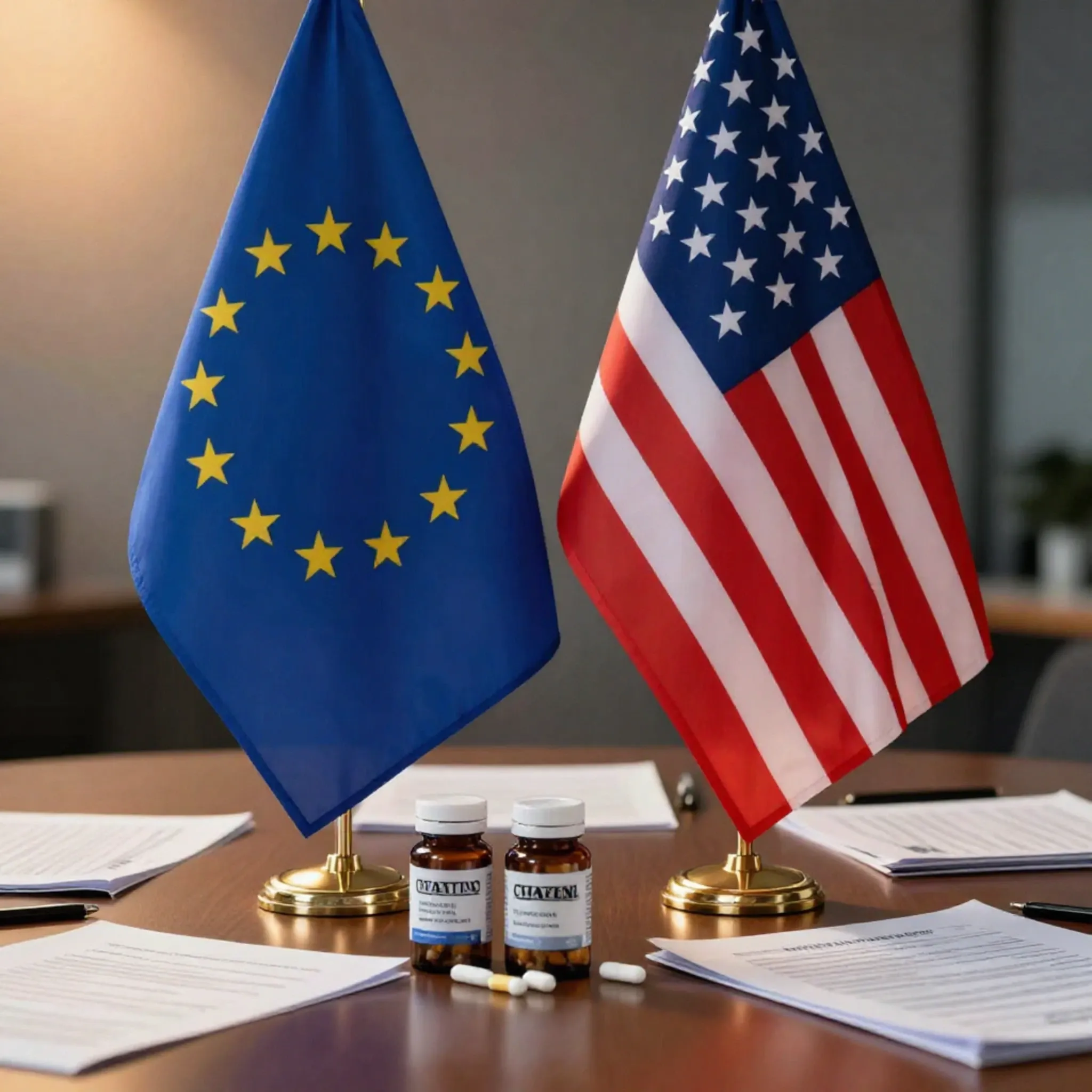
The investigation was opened under Section 301 of the Trade Act, a tool that allows Washington to act unilaterally against countries it sees as burdening American commerce, and it could eventually lead to tariffs. United States Trade Representative Jamieson Greer said American patients should not have to bear an outsized share of the world's pharmaceutical research and development costs, and he singled out Germany's fast-moving legislation to cut spending on innovative drugs as a particular concern, calling it a step in the wrong direction. That legislation, introduced in April as part of a broader overhaul of Germany's health insurance system, would push pharmaceutical companies to offer steeper discounts to insurance funds and is still working its way through parliament. Several drugmakers have already warned that the changes could lead them to delay or even withdraw new medicines from the German market. Merz, speaking after an EU summit in Brussels, maintained that decisions on health insurance reimbursements are a matter of national jurisdiction, while also expressing confidence that the United States will continue to honour its existing trade agreement with the European Union. He added that Germany is willing to share information with Washington if asked.
Pricing Model Under Scrutiny
Greer has framed the dispute as one of fairness, arguing that trading partners need to contribute their share toward funding new drug development, and noted that the investigation follows months of dialogue with German counterparts. He pointed to a recent arrangement with the United Kingdom, where the National Health Service agreed to pay more for new medicines in return for a tariff exemption, as a possible model for resolving the standoff without resorting to legal action. The pressure on Germany builds on the Trump administration's Most Favoured Nation pricing policy, which ties U.S. drug prices to the lower rates paid in comparable wealthy nations and has already pushed seventeen major pharmaceutical companies into voluntary price cuts in exchange for tariff relief. Executives at several large drugmakers have warned that if the price gap between the U.S. and reference markets grows too wide, launching new treatments in those lower-priced markets may simply stop making commercial sense.
Policy Boundaries Blur
The case underscores how drug pricing, once treated as a purely domestic healthcare matter, is turning into a genuine flashpoint in international trade relations. As governments try to balance affordable care for their citizens with the financial incentives that drive medical innovation, decisions made in national parliaments are increasingly shaping conversations in trade offices thousands of miles away. How this standoff between Washington and Berlin plays out could set the tone for how far trade tools can be stretched to influence domestic policy choices far beyond the pharmaceutical industry. Every policy decision sends a market signal. InsightSphere decodes those signals to help business leaders make informed strategic decisions.