
Distressed Assets Attract
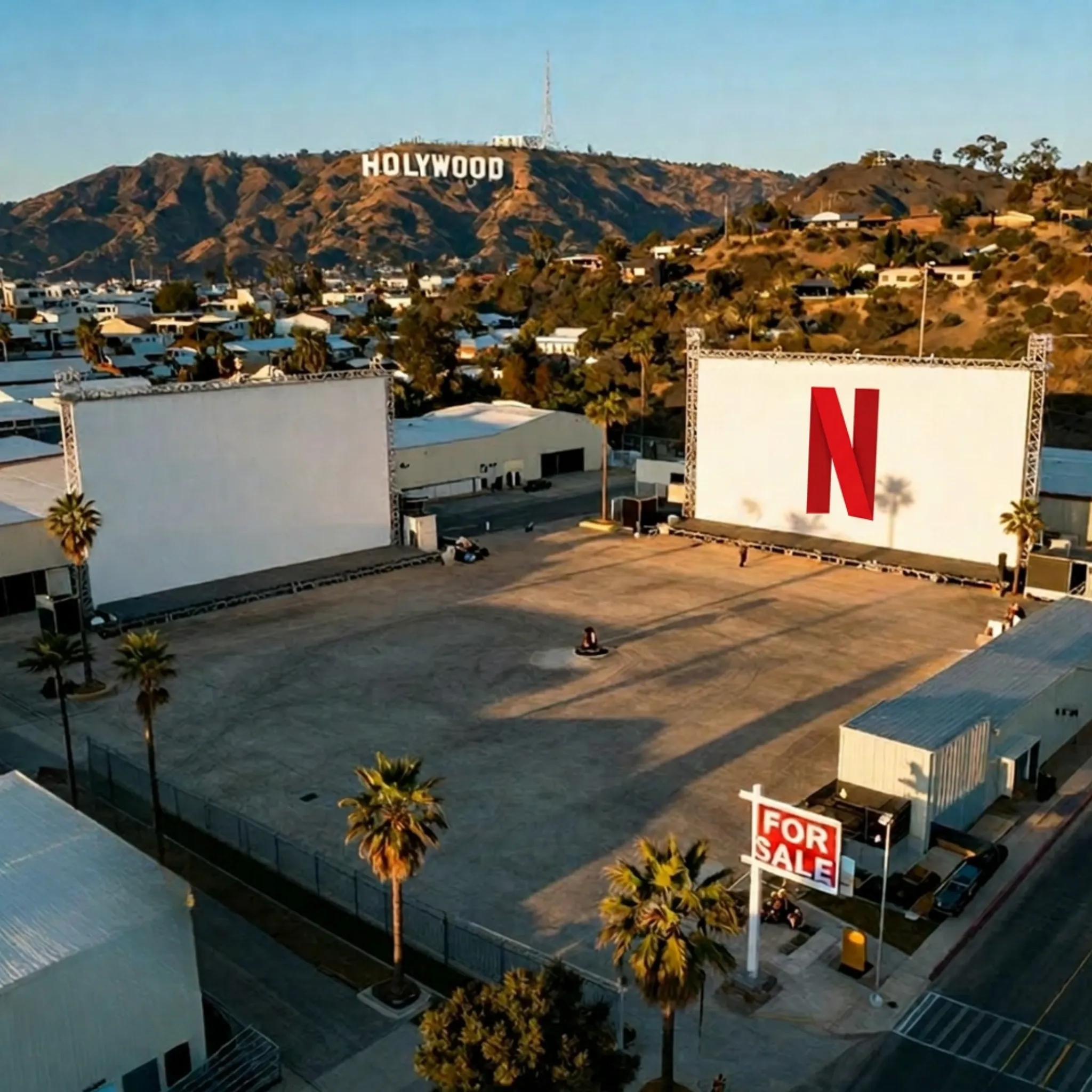
According to people familiar with the matter, Netflix is expected to pay close to $400 million for Radford, a figure that seems almost modest compared with the $1.85 billion Hackman Capital Partners paid for the same property in 2021. Hackman had taken on more than $1 billion in debt to fund that purchase, betting on continued growth in streaming production. That bet did not hold up. Higher interest rates, combined with a sharp drop in production following the 2023 writers' and actors' strikes, left many soundstages sitting empty, and Radford itself was reportedly only around 71% leased as of March. Unable to refinance, Hackman defaulted on roughly $1.1 billion in bondholder debt, and the property was handed over to Goldman Sachs and other lenders. For Netflix, the timing works in its favor, since it gets a fully built campus with decades of production history, including shows like Seinfeld, Gunsmoke, and Gilligan's Island, at a fraction of its previous valuation.
Vertical Integration Accelerates
This deal fits into a larger pattern at Netflix, which has been gradually moving toward owning more of its production footprint instead of relying on landlords. The company is already building a $1 billion production hub at Fort Monmouth in New Jersey, and it has reportedly been exploring a move away from the Hollywood offices it currently leases from Hudson Pacific Properties, with those leases set to expire in 2031. With over $12.3 billion in cash on hand, and an extra boost from the $2.8 billion breakup fee it collected after Paramount Skydance won the bidding war for Warner Bros. Discovery, Netflix is in a strong position to make these kinds of long-term bets while many of its real estate-focused competitors are struggling. Owning rather than leasing gives the company more control over scheduling, costs, and how it builds out its content pipeline over the coming years.
Streaming Economics Shift
What is happening at Radford is really part of a wider reckoning in the Los Angeles studio market. Hackman, once an aggressive buyer of production real estate, is now facing pressure on multiple fronts, with lenders pushing for the sale of other properties it owns, including Manhattan Beach Studios and Television City, and a separate lawsuit tied to its Kaufman Astoria lot in New York. Citywide soundstage occupancy reportedly slipped to around 62% in the first half of last year, a sign that the boom years of pandemic-era production are well behind the industry now. For Netflix, buying Radford is less about chasing a bargain and more about positioning itself for the next decade, locking in physical infrastructure while it is cheap and competitors are forced to sell. From distressed assets to strategic expansion, InsightSphere delivers the market intelligence behind tomorrow's industry leaders.