
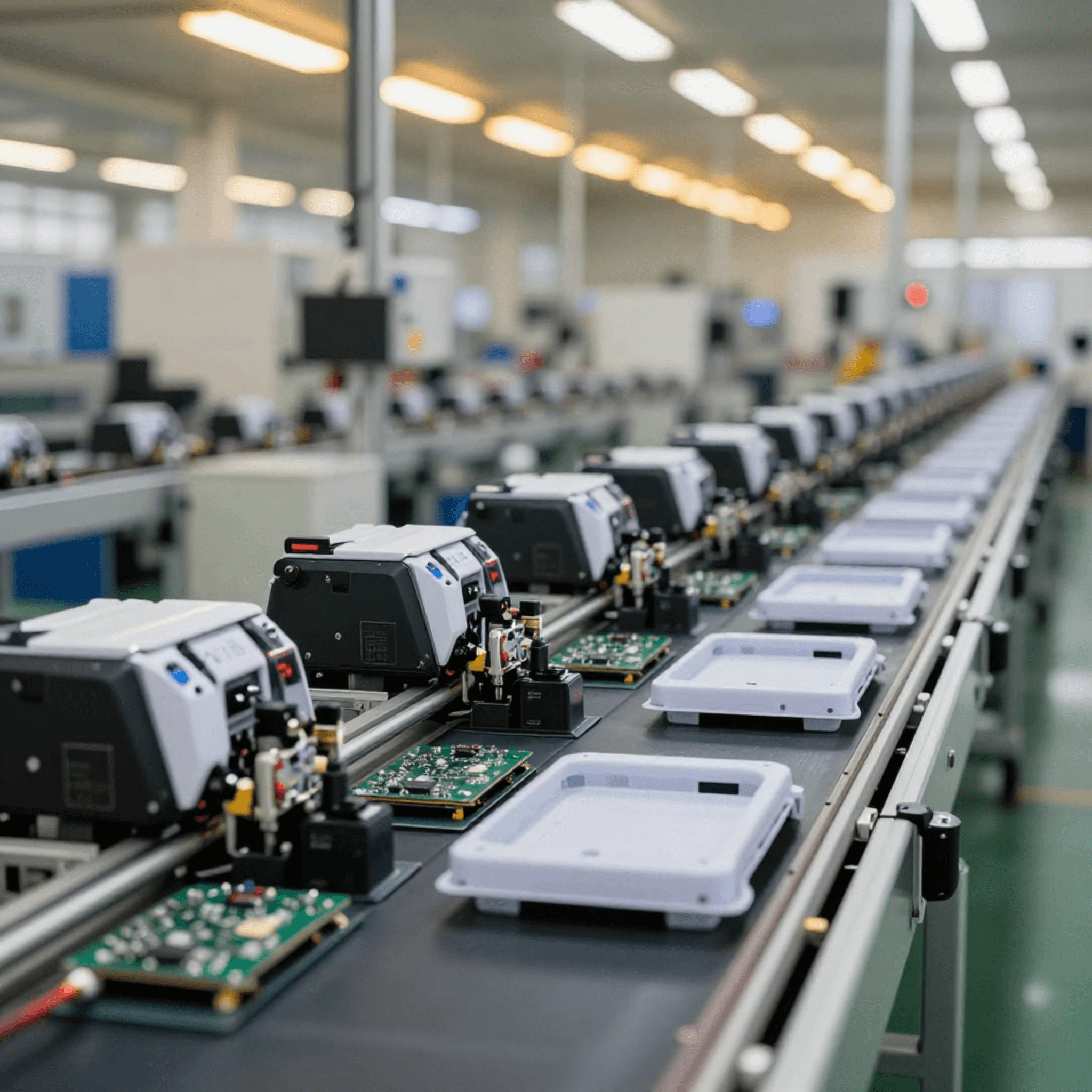
For anyone watching the gaming industry from a market or business strategy lens, this detail is worth pausing on. Two major operational decisions made in close succession, higher production volumes and an upcoming price increase, together paint a more complete picture of where this product cycle is genuinely headed.
Forecasts Stay Conservative
Nintendo is not being dishonest with its investors. It is being careful, and there is a real difference between the two. Public guidance in the consumer electronics space has always had to account for things companies cannot fully control, such as chipset availability, freight disruptions, and sudden shifts in how consumers are spending their money. By keeping the official forecast conservative, Nintendo gives itself room to breathe if anything goes sideways. But the production volumes quietly tell a more confident story. Companies do not build inventory 20% beyond their own targets out of habit. They do it because the internal data, the pre-order trends, the retailer conversations, and the platform analytics are pointing somewhere encouraging. Nintendo is hedging its public language while privately backing its own product with decisions that carry real financial weight and operational commitment.
Gaming Ecosystem Expands
Nintendo is not primarily in the business of selling plastic and silicon. Every Switch 2 unit that lands in a household is the beginning of a multi-year spending relationship. That means game purchases, Nintendo Switch Online memberships, downloadable content, and accessories that stretch the revenue story well past launch day. The installed base is the foundation, and Nintendo is clearly trying to make that foundation as wide as possible from the start. Now add another layer to that picture. Nintendo has announced it will raise Switch 2 prices globally to $500 from $450 starting in September, citing rising component costs, including memory prices, as the driving factor. That is a meaningful jump, and it introduces a genuine question about whether price-sensitive buyers will hesitate at that number. But here is what makes the decision telling. A company sitting nervously on demand forecasts does not raise prices and scale production at the same time. Nintendo is essentially telling the market that it believes its audience is loyal and engaged enough to absorb both moves without walking away. Consumer wallets are under real pressure globally right now, yet gaming continues to hold its ground as a spending priority. A Switch 2 cycle that sustains strong volumes even at a higher price point would say something important about the durability of platform-based ecosystems, and that is a signal worth watching closely.
Confidence Behind Caution
The gap between what Nintendo is saying and what Nintendo is building is ultimately a window into how the company sees its own platform. Franchise strength, a loyal user base, and a software library that competitors have spent decades trying to replicate are the real assets here. Nintendo is not manufacturing extra units because it ran a bullish spreadsheet model. It is doing so because it believes people will actually want this product, and want it enough to absorb a $500 price tag come September. That combination of raising prices and raising production simultaneously is the clearest possible statement of internal confidence a consumer hardware company can make. The broader lesson for market watchers is straightforward. When production decisions and pricing decisions both quietly contradict conservative public guidance, the operational moves are usually the more honest signal. At InsightSphere, we connect the dots between capital markets, technology, and the business decisions shaping tomorrow’s industries.