
Inflation Eases Gradually
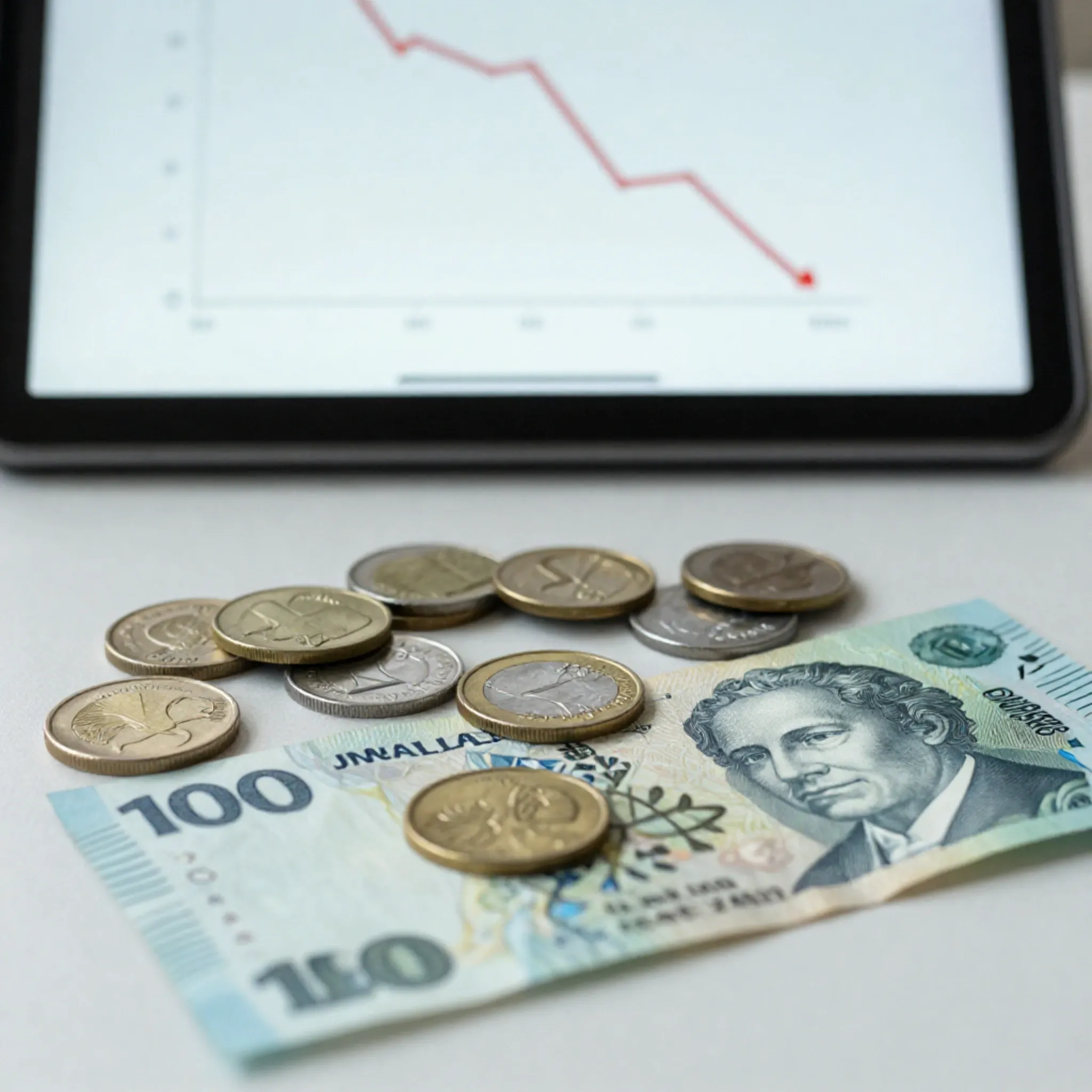
The latest price data showed genuine relief at the pump and in the skies. Diesel dropped sharply in May after surging nearly 95% in just the two months through April. Petrol prices also fell, and domestic airfares pulled back after climbing steeply in prior weeks. These moves reflect a broader easing in global commodity pressures as Middle East tensions begin to cool. Westpac's senior economist Satish Ranchhod noted that further falls in fuel prices are expected in the coming weeks as the situation stabilises. That outlook offers some breathing room to households and businesses managing elevated costs. But the key phrase is if it holds, because the global supply environment remains far from settled.
Rate Path Unchanged
Here is where the comfort zone ends. Despite softer near-term inflation prints, most New Zealand economists are not changing their view on where interest rates are headed. Westpac revised its second-quarter inflation forecast down to 4.1% from 4.4%, but still sees inflation running at 4.2% in the third quarter before slowing. ANZ similarly lowered its second-quarter forecast to 4.1%, signalling that it may represent the peak for this cycle, yet it still projects a July rate hike. A majority of economists are expecting the Official Cash Rate to rise by 25 basis points to 2.5% in July, with another move to 2.75% in September. Financial markets put the probability of a July hike at around 72%. ANZ's Miles Workman put it plainly, arguing that a lower-than-expected near-term inflation surge is welcome but does not fully unwind the global supply shock. The RBNZ's priority remains ensuring that current price pressures do not broaden into core inflation over the medium term.
Borrowing Costs Persist
ASB Bank sees inflation at 4.1% in the second quarter, gradually easing to around 3.6% by the end of 2026, but still expects the tightening cycle to begin in July with the cash rate potentially reaching 3.25% by year's end. ASB's Mark Smith was candid about the uncertainty, noting risks are tilted toward a later start and a more drawn-out hiking cycle. That uncertainty is itself significant. When economists are debating timing rather than direction, businesses should read that as a clear signal that cheaper borrowing is not coming anytime soon. Real estate developers, retailers carrying leverage, and companies planning capital expenditure are all operating in an environment where financing costs are set to climb further before they ease.
Policy Caution Prevails
What New Zealand is experiencing is a story playing out across much of the developed world. Inflation is elevated, some acute drivers are beginning to ease, but underlying pressure has not gone away. Central banks find themselves walking a fine line where moving too early risks entrenching inflation and moving too late risks losing credibility. The RBNZ appears to have made its choice, and the direction is upward. For businesses and investors watching this space, the message is straightforward. Conditions may feel slightly less severe than a month ago, but the era of restrictive monetary policy is just getting started. At InsightSphere, we connect the dots between monetary policy, capital markets, and the business decisions shaping global growth.