
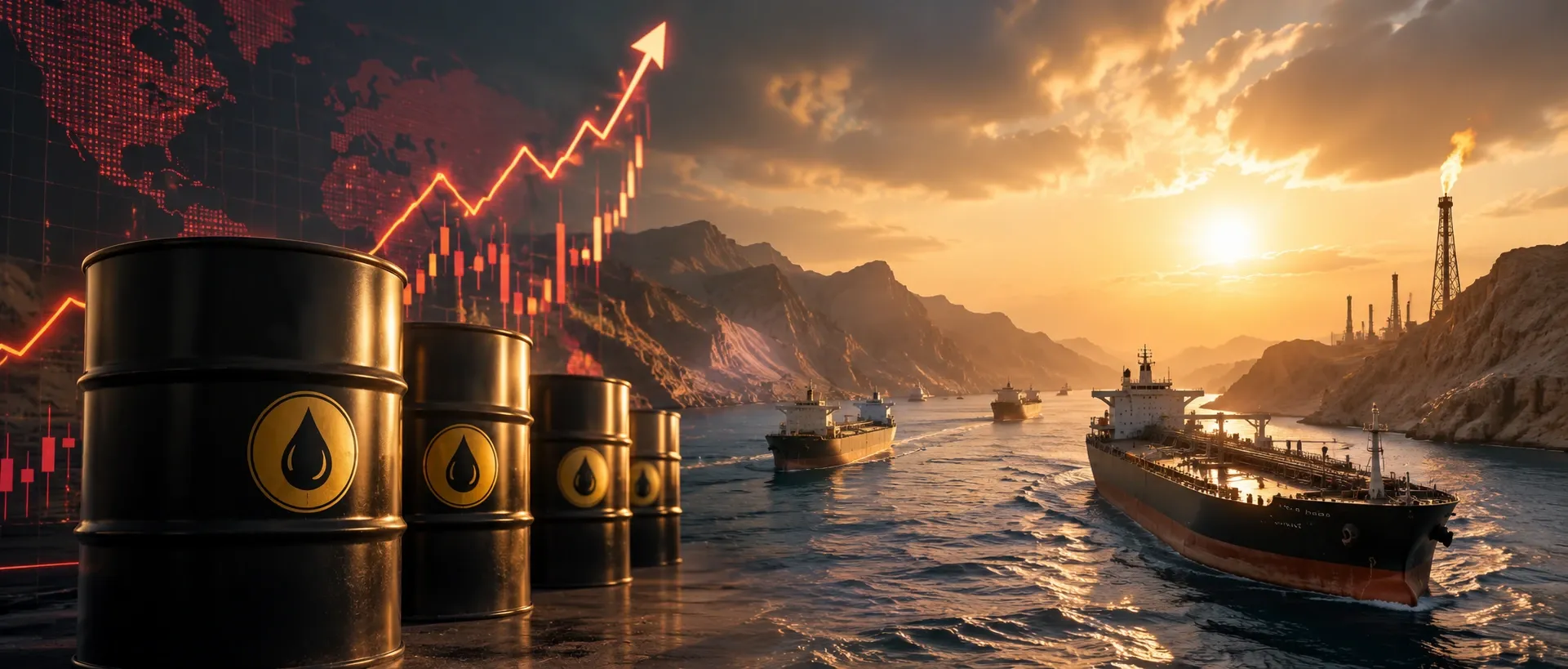
Geopolitical uncertainty keeps oil markets tense
Oil prices barely moved on Monday after giving back earlier gains, as optimism around talks to reopen the Strait of Hormuz cooled once again. Iran made it clear that Washington still needs to satisfy several conditions before the waterway can fully reopen. Brent crude hovered near $83.54 a barrel, while U.S. West Texas Intermediate slipped slightly to just above $78. The muted moves come after both benchmarks had already dropped more than 7% the previous week on hopes that Iran and Oman were nearing a deal. The market now finds itself caught between cautious optimism and the reality that talks remain fragile.
Hormuz remains a critical bottleneck
Iran said on Sunday that its arrangement with Oman covering new shipping lanes through the Strait had entered its final stages. Even so, Tehran repeated that the passage would only reopen once the U.S. meets additional demands, including compensation for the damage caused by earlier American strikes on Iranian territory. Iranian Foreign Minister Abbas Araqchi confirmed that no direct talks are currently taking place with Washington and said Tehran will not resume them while it believes the interim agreement signed in June is being violated.
Adding to the tension, Iran-aligned Houthi forces claimed responsibility for striking Saudi Aramco's Jazan refinery over the weekend, just 2 days after Saudi Arabia signed a new defence agreement with Turkey and Pakistan in response to rising instability across the region. Separately, the UAE's ADNOC reported that 15 of its vessels have come under attack while transiting the Strait since the conflict began, underlining how deeply shipping in the region continues to be affected.
Energy risk becomes cost risk
A New Delhi-based analyst noted that oil markets remain pulled between 2 opposing forces, weighing the chance of a genuine breakthrough against Iran's ongoing conditions for reopening the waterway. Any real progress toward restoring free shipping could ease prices, while a breakdown in talks or a fresh disruption could just as quickly send the geopolitical risk premium climbing again. For industries reliant on stable energy costs, from shipping and manufacturing to aviation and chemicals, this back and forth is becoming a defining source of planning uncertainty heading into the second half of the year.
Conclusion
The situation around Hormuz continues to show how closely tied energy markets have become to diplomatic signals rather than physical supply data alone. A finalized agreement between Iran and Oman may offer some relief, but continued attacks on infrastructure and vessels suggest that normal shipping activity is still some distance away. For now, oil prices will likely keep moving in step with headlines from Tehran and Washington rather than settling into a clear trend.
The Strait may reopen. The energy risk may not.InsightSphere connects geopolitical shifts to their market and business impact.