
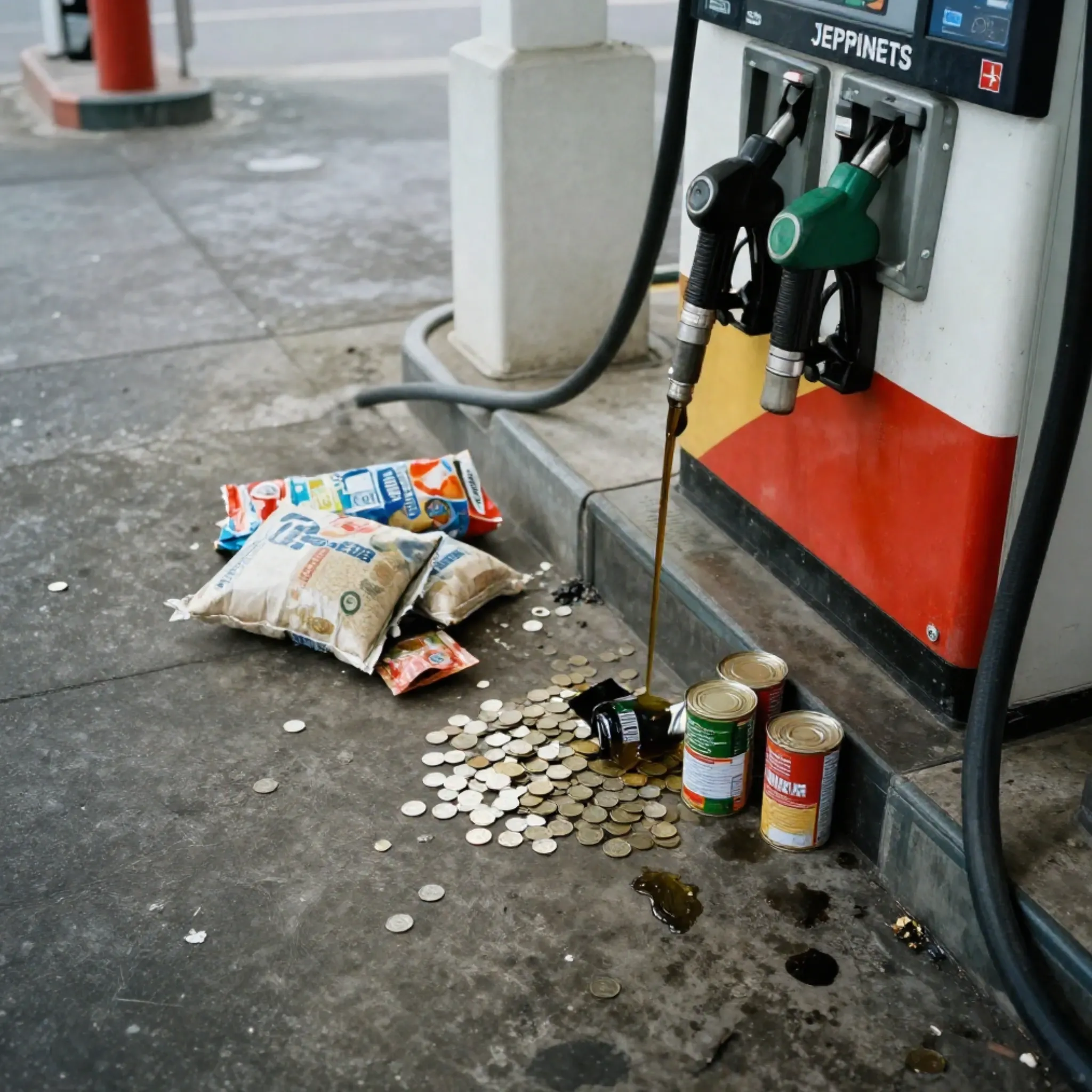
Relief Stays Uneven
The relief, when it eventually arrives, will not be felt equally. Filipino households are carrying a heavier load than most of their regional neighbours, with minimal government subsidies and inflation running hotter than almost anywhere else in Southeast Asia. The peso's purchasing power tells the story bluntly. One peso in 2018 now buys only 0.73 pesos worth of goods today. That kind of sustained erosion does not reverse itself simply because crude futures ease on global exchanges. Millions of families are not watching commodity markets. They are watching how far their income stretches at the end of each week, and the answer has been getting worse for long enough that many have stopped expecting improvement.
Currency Pressure Persists
The broader economic picture has darkened considerably. The Asean Plus Three Macroeconomic Research Office slashed its Philippine growth forecast to 4.1%, the steepest downgrade across the entire region. The IMF cut its estimate from 5.6% to 4.1% in April. Household spending, which drives 80% of national economic output, grew at its slowest pace in sixteen years last quarter. The Middle East conflict has also curtailed remittance flows from millions of Filipinos working overseas, cutting off a financial lifeline that countless families depend on to cover basic expenses each month.
Consumption Recovery Delays
The stress is quietly reshaping how Filipinos shop, eat, and plan. Supermarket customers are trading down to cheaper brands and smaller package sizes just to keep their households running. Jollibee Foods reported a 39% profit collapse last quarter as commodity costs surged, prompting a review of expansion plans. Property developers Ayala Land and SM Prime Holdings have both moved to cut capital expenditure budgets. A one-time government payout of 5,000 pesos lasted only a few days before his family's needs absorbed it entirely.
Macro Gains Diluted
The government is weighing a supplemental budget while a Senate committee pushes for expanded aid for minimum-wage earners. But the fiscal space to act is narrow. The country's debt-to-GDP ratio already exceeds the internationally accepted 60% threshold and sits at its highest point in more than two decades. S&P Global has flagged the risk of a wider deficit if the slowdown persists. A House of Representatives think tank warned more directly that the strategy of outgrowing debt obligations has been made wholly untenable by the current crisis. The Philippines is navigating energy stress, fiscal constraint, and weakening consumer demand all at once, and the window for comfortable policy choices is closing fast. The signals were always there. At InsightSphere, we help you read them before they become headlines.