
Calculated Approach to Currency
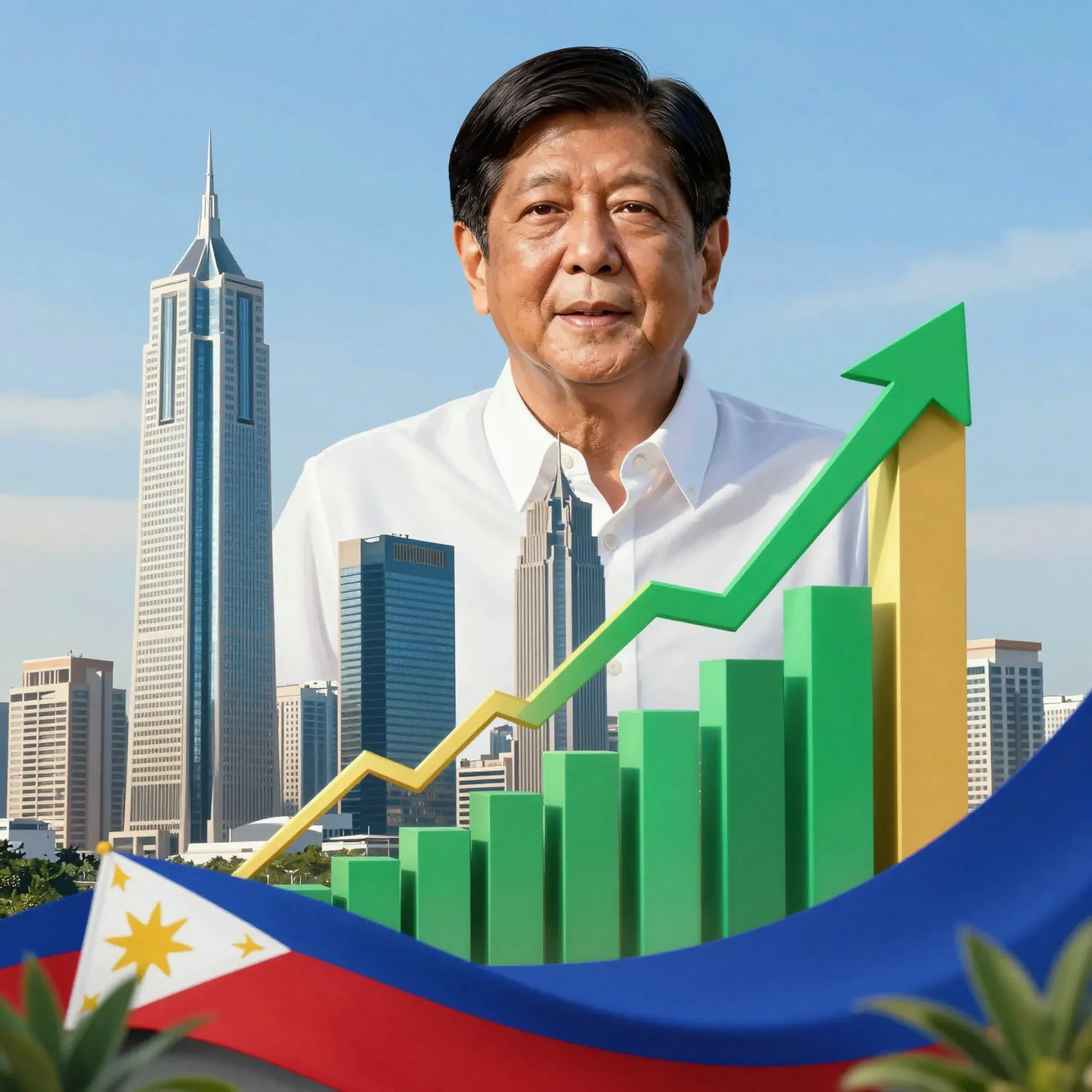
The Philippine peso faced several depreciation pressures in recent years, driven by many external factors, one of which is strengthening the U.S dollar and tightening global liquidity policies. The central banks often intervene with foreign exchange reserves to stabilize currencies, Marcos mentioned that such interventions are more strategic than exhaustive. The country’s international reserves stood at approximately $100 billion in recent years (Bangko Sentral ng Philippines). But policymakers are becoming increasingly cautious about depleting reserves at a faster rate, especially due to rising global volatility. Avoiding excessive interventions, the government aims to maintain investor confidence while making sure the reserves remain available for severe times.
Signalling a Policy Confidence
The administration’s projection of 6% economic growth through 2028 aligns with the broader developmental goals focused on expansion, digital transformation and investments. The International Monetary Fund estimates that the emerging Asian economies will continue to outperform the global economy supported by strong demand and dynamic geographies. For Philippines, the key growth drivers are: - Continued infrastructure investments under national development programs - Expansion of the service sectors in business process outsourcing - Rising consumer investments supported by remittances from overseas These factors provide a foundation for sustainable growth expansion even during external factors.
Managing External Risk and Policy Coordination
The Philippine economy remains exposed to global risks with fluctuations in commodity prices, interest rate movements in major economies and geopolitical tension can highly impact capital flows. The World Bank highlighted that emerging economies face severe vulnerability to external shocks. And preserving foreign exchange reserves becomes crucial for their economic growth. Reserves not only support currency stability but also enhance the country’s ability to meet external factors that maintain financial stability. Marco’s decision to avoid such deployment reserves reflects on an understanding of broader risks and need for long-term economic strategies. Such stances highlight the importance of coordination between fiscal and monetary authorities. The Bangko Sentral ng Philippines plays an important role in managing inflation and exchange rates through interest policies. Maintaining a flexible exchange rate allows the peso to adjust the market condition. This approach is consistent with global practices which gives central banks the ability to intervene to smooth volatility.