
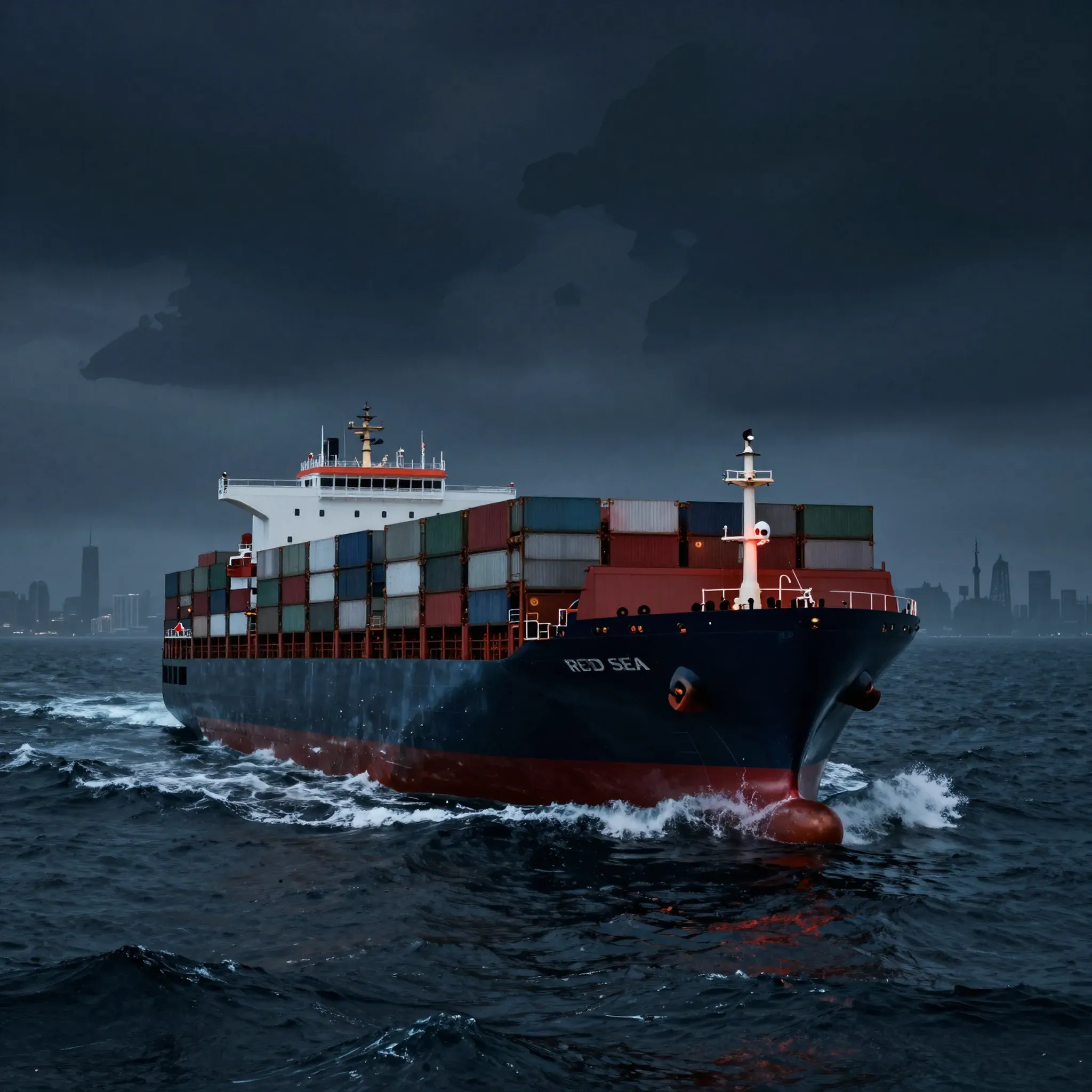
A Critical Chokepoint
The Red Sea and Suez Canal together account for approximately 30% of global container trade and 12-15% of global trade, making it one of the most critical arteries in the world. Disruptions in these corridors have led to a series of consequences for manufacturing, retail, and energy markets. Shipping companies responded to threats by diverting routes around Africa Cape of Good Hope, adding around 4000 extra nautical miles and 30% increase in transit time. This rerouting reduced the shipping capacity by almost 7-9% thus pushing shipping costs higher. Despite the recent ceasefires, a full return of Red Sea shipping remains uncertain. Suez Canal traffic is almost 60% less than before the crisis, reflecting a risk associated with carriers and insurers. Major shipping firms like Maersk and CMA CGM have partially resumed operations but cautious operability due to geopolitical volatility and increased insurance premiums.
Alternative Trade Routes
The Cape of Good Hope route has emerged as a dominant fallback, despite increase in Asia-Europe journey time and increase in full consumptions. Meanwhile, other corridors like the Gulf of Mediterranean through the Middle East have strategic relevance. The Northern Sea Route in the Arctic is being explored for seasonal trade although environment and operational remains high. Rail routes across Eurasia and multimodal networks connecting ports, rail hubs and inland logistics into the corporate supply strategies. This crisis has highlighted the need to shift global trade from efficiency optimized models to resilience optimized models.
Implications for Business Leaders
The Red Sea underscores the importance of logistics risk management for global trade. The rerouting of ships has already led to disruption cycles in sectors such as automobile manufacturing and consumer goods which have largely relied on these routes. The crisis had a macroeconomic impact where extended shipping routes acted as an adverse supply shock, increasing the delivery time and tightening capacity, influencing inflation pressures. This volatility is forcing enterprises to hedge logistics risk alongside currency and commodity exposure.