
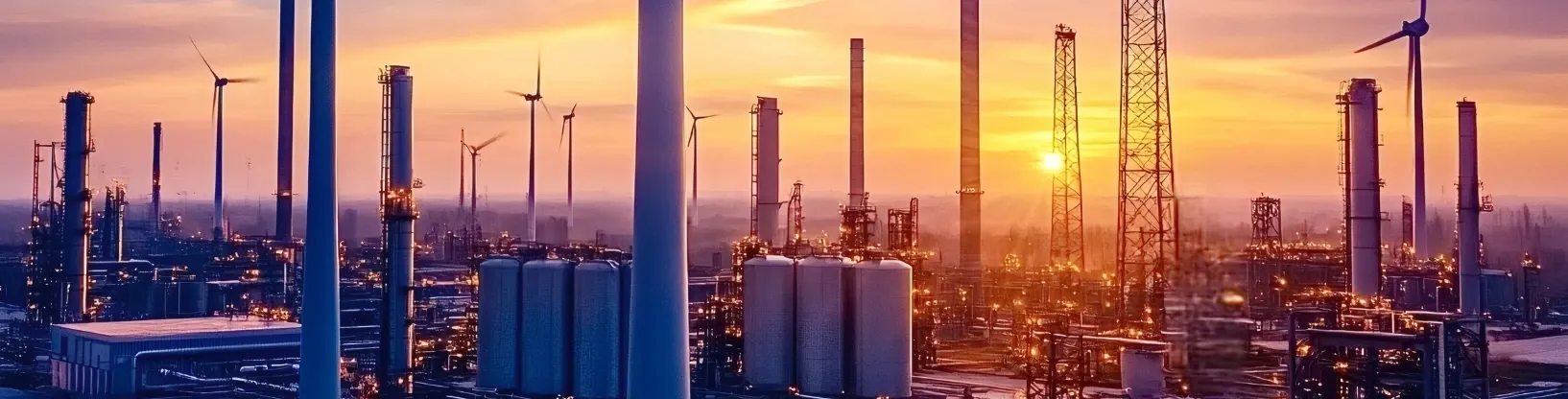
Why energy costs are rising again
European energy markets remain exposed to geopolitical tensions and disruptions to global fuel supplies. The conflict involving Iran has renewed concerns about oil and gas availability. On the other hand, higher fuel and transport costs are adding to pressure on businesses.
Since the conflict began, European gas prices have climbed 140% and diesel prices have doubled, as of 15 October 2026. The European Union’s reliance on imported fossil fuels leaves businesses exposed to supply disruptions and sudden price increases.
The problem extends beyond immediate price movements. Industrial gas and electricity prices have remained two to four times higher than those in the European Union's main trading partners, according to the European Commission's energy-price assessment.
Industrial competitiveness faces a growing challenge
The cost disadvantage is particularly visible in electricity-intensive industries. In 2025, European Union electricity prices for energy-intensive industries averaged more than twice US levels and nearly 50% above prices in China. The energy cost gap could make European-made chemicals, steel and other industrial materials more expensive than products from competing markets.
Oil refining is another area under pressure. Refinery margins in north-west Europe fell from US$54 per barrel in early September to as low as minus US$11 on 5 October, before recovering to around US$3 per barrel, according to market data reported on 15 October. Higher crude acquisition and shipping costs have squeezed margins, raising the possibility that less efficient refineries could reduce production if conditions deteriorate further.
However, the pressure is not uniform. Direct energy costs account for around 1% of sales across companies in the STOXX Europe 600 index, according to Deutsche Bank estimates cited in recent reporting. Chemicals, materials and airlines remain more exposed, while the changing composition of European stock markets has reduced their overall vulnerability.
What Europe can do to limit the damage
European businesses have taken steps to manage energy risks since the 2022 crisis. These include diversifying supply chains, securing procurement contracts, increasing liquefied natural gas imports, expanding renewable energy use and improving energy efficiency.
The European Union's energy mix is also changing. Renewable sources supplied 50% of total EU electricity generation, according to the Agency for the Cooperation of Energy Regulators' 2026 assessment. However, gas-fired power plants remain important when solar generation falls, leaving electricity prices exposed to fuel-market volatility.
The immediate challenge is to prevent higher energy costs from feeding into inflation, borrowing costs and weaker consumer demand. If oil and gas prices remain elevated into 2027, the pressure on businesses could deepen, even if large listed companies prove more resilient than they were in 2022. Europe's competitiveness will therefore depend not only on short-term relief but also on securing more stable, affordable energy supplies.