
Costs Outpace Pricing
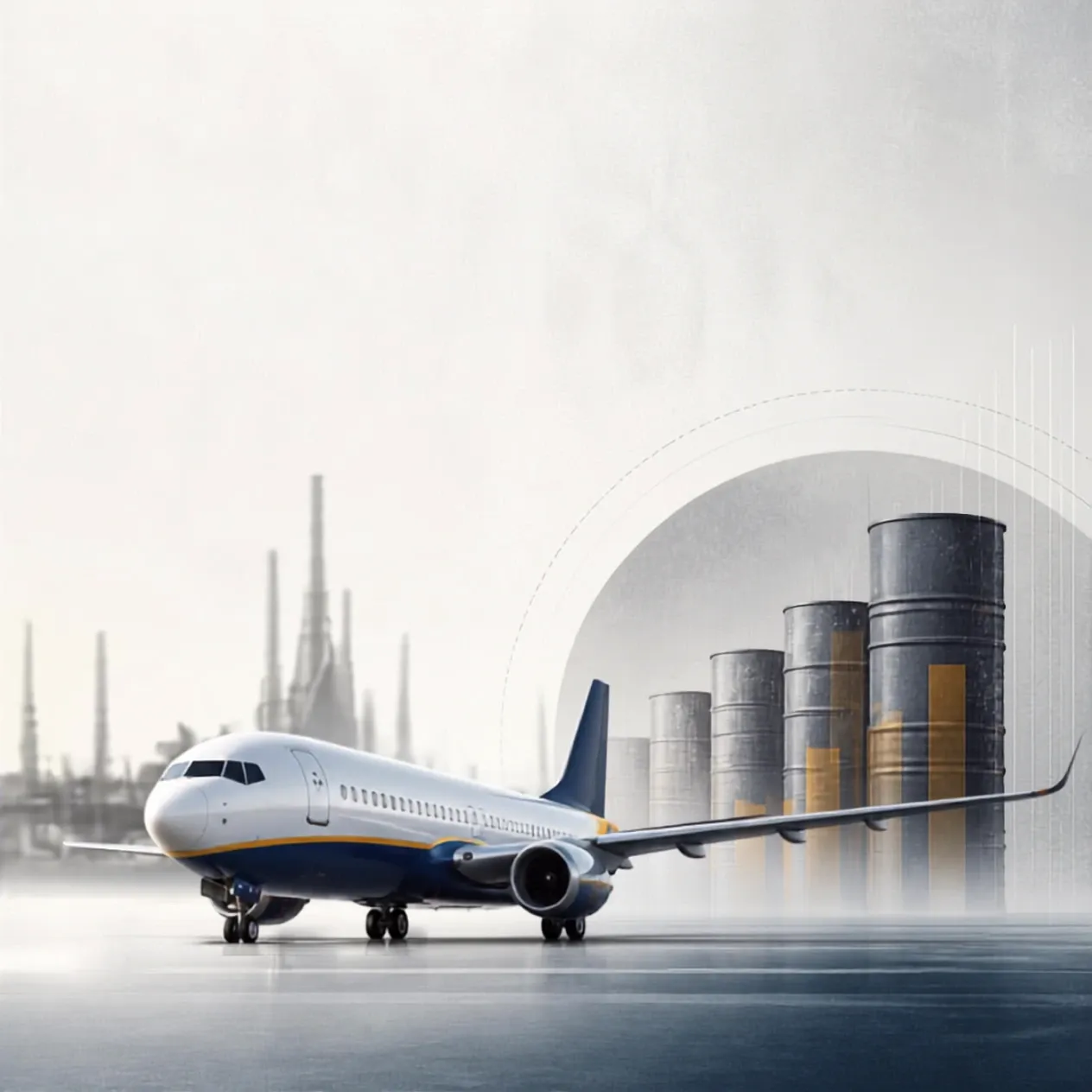
Ryanair's latest results show just how quickly rising fuel costs can outweigh strong passenger demand. The Irish carrier posted a 34% drop in quarterly profit after tax, falling to €538 million (£457 million) for the three months ending in June, even as traveler numbers grew. The culprit was jet fuel, which doubled in price after the Iran war disrupted global oil markets, hitting the 20% share of Ryanair's fuel that remains unhedged particularly hard. To keep seats filled, the airline cut average fares by 6%, a move that helped drive a 6% increase in passengers to 61.3 million but limited overall revenue growth to just 1%, reaching €4.38 billion (£3.72 billion). The numbers make clear that volume alone could not offset the cost pressure building beneath the surface.
Fuel Costs Reshape Economics
The scale of the fuel spike was significant: prices climbed to $150 (£111) a barrel during the quarter, as conflict in the Middle East disrupted supply routes through the Strait of Hormuz and sent energy markets higher across the board. That surge translated directly into Ryanair's cost base, with operating expenses rising 11% to €3.42 billion (£2.9 billion), a pace well ahead of the airline's revenue growth. CEO Michael O'Leary pointed to a mix of pressures behind the fare cuts, including traveler hesitancy around the conflict, worries over fuel shortages across Europe, and a general climate of economic uncertainty. A short-lived US-Iran peace deal last month briefly eased oil prices, but renewed fighting has since pushed costs back up, leaving the outlook as unsettled as it was before the truce.
Pricing Power Under Pressure
Ryanair's decision to hold back full-year guidance points to something bigger than caution over a single quarter. O'Leary flagged that outcomes remain highly sensitive to adverse external developments, including conflict escalation in the Middle East and Ukraine, unhedged fuel prices, macroeconomic shocks, and ongoing air traffic control strikes. That level of exposure signals a business now navigating risks largely outside its own control. Fares are still trending modestly lower into the second quarter, and travelers continuing to book closer to departure is eroding the visibility airlines rely on for planning. For the wider sector, this marks a strategic inflection point. Cost discipline alone can no longer guarantee margin protection when fuel and demand shocks hit together. Carriers with heavier unhedged fuel exposure and weaker pricing power are likely to feel the strain most as volatility persists. Those best placed to manage it will pair strong hedging with balance sheet flexibility, rather than relying on efficiency alone.
Competitive Landscape May Shift
O'Leary noted that summer 2026 volumes remain strong, but the booking window has narrowed compared to last year, cutting into forward visibility. With zero second-half visibility at this stage, he said it is still too early to offer meaningful full-year profit guidance. The strategic takeaway extends well beyond Ryanair. Even the most efficient, low-cost operators are not shielded from compounding pressure from energy volatility and cautious consumer spending. As geopolitical risk continues to shape commodity markets, the airlines that hold up best may be defined less by passenger growth and more by resilience and disciplined capital allocation. Strong execution alone is no longer enough to deliver consistent business performance. Macroeconomics, policy, technology, and capital flows increasingly shape competitive outcomes. InsightSphere brings those forces into perspective.