
Memory Demand Signals Strength
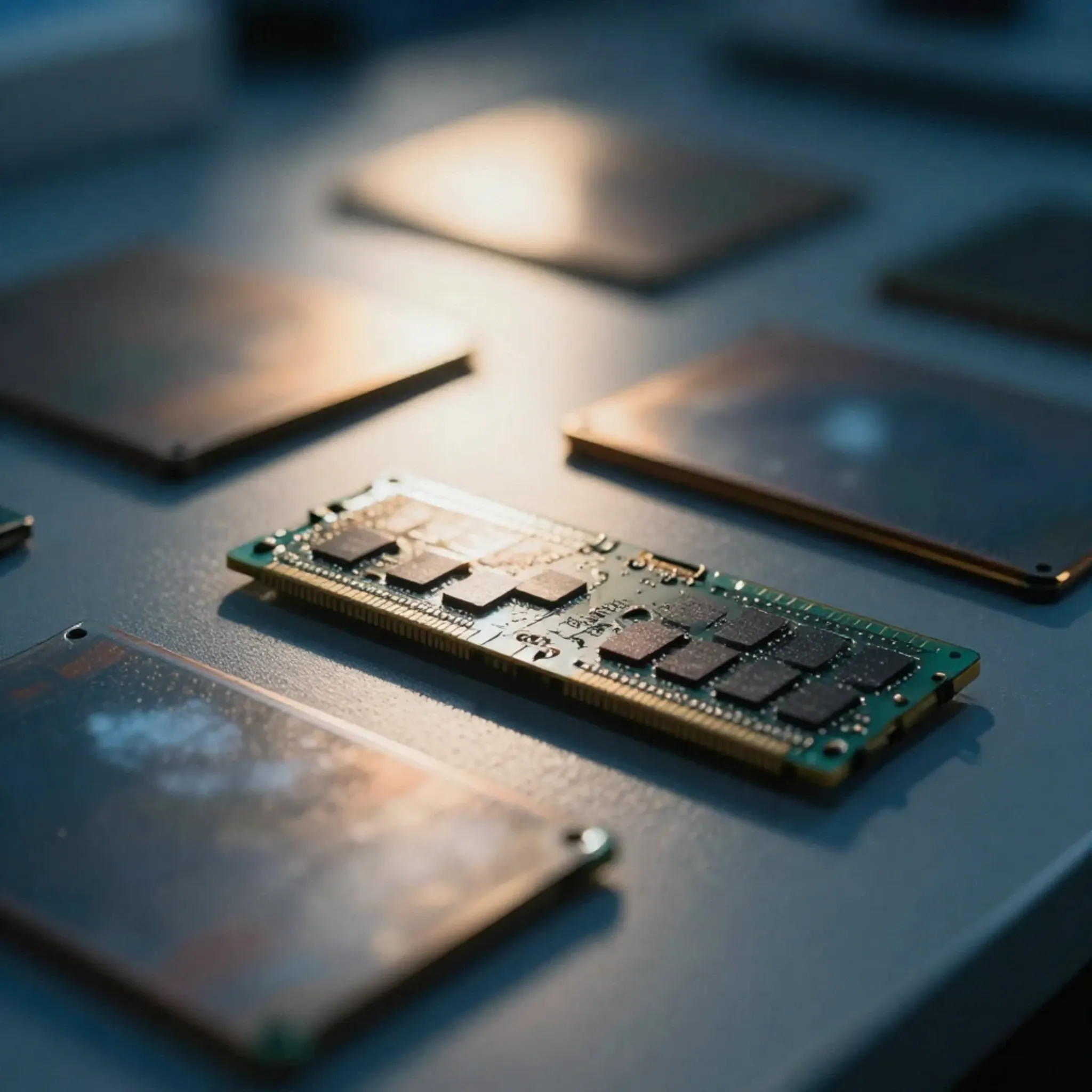
Samsung is expected to report a blockbuster quarter, with analysts projecting preliminary operating profit of around 84.3 trillion won, or roughly $55.1 billion, for the quarter ended June. That figure would mark an 18x jump compared to the same period last year and would already surpass the company's entire profit for all of 2025. Revenue is forecast to surge 127% to a record 169 trillion won. The surge is being driven by soaring demand for High Bandwidth Memory chips that power AI servers around the world. As the largest memory chipmaker on the planet, Samsung sits at a critical point in the AI hardware supply chain, supplying cloud providers and chipmakers who are racing to build the next generation of AI infrastructure A global shortage of high-performance memory needed to train and run large AI systems has pushed prices for both DRAM and NAND sharply higher this year, lifting margins for Samsung and its domestic rival SK Hynix. To keep pace with demand, both companies are reportedly planning major new manufacturing facilities, while reports have also emerged of Samsung being in talks to become a manufacturing partner for a custom AI chip project.
Earnings Shape Market Sentiment
Samsung's performance is increasingly being read as a proxy for the health of the entire global AI economy rather than a simple company-specific earnings event. Its shares have more than doubled over the past year, though they recently pulled back nearly 9% in five sessions, their worst weekly stretch since March, as semiconductor stocks swung sharply. Analysts remain largely optimistic, with average price targets implying around 52% further upside, and brokerages such as Citigroup pointing to intact memory fundamentals behind the recent correction. Even after its rally, Samsung still trades at just 5.7 times forward earnings, among the cheapest valuations in its history and well below peers like Micron. For business leaders, the message is clear. Semiconductor earnings like these are becoming an early indicator of how enterprises are approaching AI adoption and long-term technology investment. At the same time, some market watchers caution that memory stocks have historically peaked ahead of pricing cycles, meaning any slowdown in price growth could unsettle sentiment.
AI Cycle Under Scrutiny
Samsung's earnings will offer one of the clearest signals yet on whether the AI investment cycle continues to accelerate or begins to normalize after its recent rapid growth. As AI infrastructure becomes increasingly memory intensive, demand for advanced semiconductor components is likely to remain central to the next phase of industry growth. The market is no longer evaluating individual chipmakers in isolation. Investors are searching for proof that the broader AI economy still has real momentum, and Samsung's numbers may well provide that proof one way or the other. Every earnings report tells a larger story. InsightSphere uncovers the strategic signals behind global market movements.