
Protected Waters Contaminated
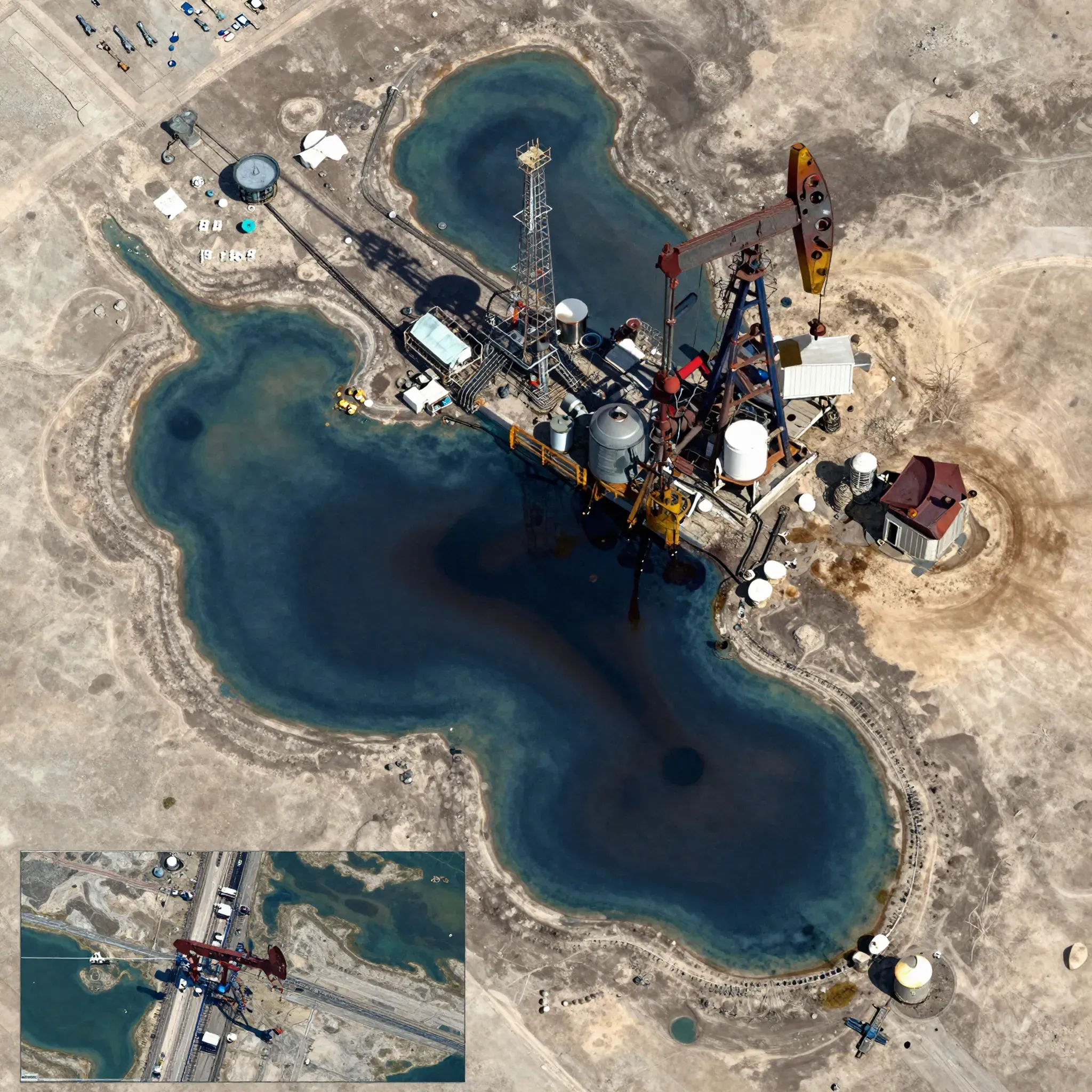
Shidvar Island is not just another stretch of Gulf coastline. It is a protected wetland and a breeding ground for seabirds, the kind of ecosystem that takes decades to recover once it absorbs this kind of damage. Satellite photos show oil spreading steadily across the surrounding waters. Footage from the area shows what that looks like up close: oil-covered shorelines, marine life in distress, a protected habitat taking a hit it did not ask for. Iranian authorities have said very little publicly, which has made satellite monitoring the most credible source of information available. And the picture those satellites are painting is not reassuring. This is also not the first time. Oil slicks were detected near Kharg Island earlier, which means the question is no longer whether Gulf energy infrastructure is under environmental stress. It is how much more stress it can take.
Energy Routes Face Pressure
The Persian Gulf carries roughly a fifth of the world's oil supply on any given day. That number alone explains why any disruption here, military or environmental, gets the attention of markets, insurers, and supply chain managers almost immediately. This spill has added an ecological layer to a geopolitical risk premium that was already climbing, and the combination is making buyers and traders noticeably uncomfortable. Shipping operators and insurers are recalculating. Environmental damage near a live conflict zone means higher premiums, rerouted lanes, longer delivery windows, and tighter margins across the board. Carriers that ran standard Gulf routes without much hesitation are now building contingency costs into their planning. For capital markets, the picture is equally sobering. Military risk and environmental risk used to sit in different columns of a risk model. That separation is breaking down, and portfolios built on the assumption that these are independent variables are being tested in ways their architects did not anticipate.
Environmental Costs Escalate
There is a larger shift happening here that deserves attention. Environmental and climate risk are no longer footnotes in geopolitical analysis. They are moving to the centre of how business leaders, investors, and policymakers think about conflict and its consequences. For economies that depend heavily on Gulf energy and for multinationals with regional supply chain exposure, the cost of underestimating environmental risk is rising in step with the conflict itself. Decisions about infrastructure resilience, energy sourcing, and long-term exposure to Gulf-dependent markets are being revisited with a new sense of urgency. The Iran conflict has grown into something more layered than a regional security story. It is reshaping how risk gets priced, how supply chains get structured, and how leaders think about the real cost of war. Those who recognise that shift early will be far better placed to navigate what follows. At InsightSphere, we decode how geopolitical shifts reshape energy markets, supply chains, and the strategic decisions defining global business.