
Domestic Innovation Push
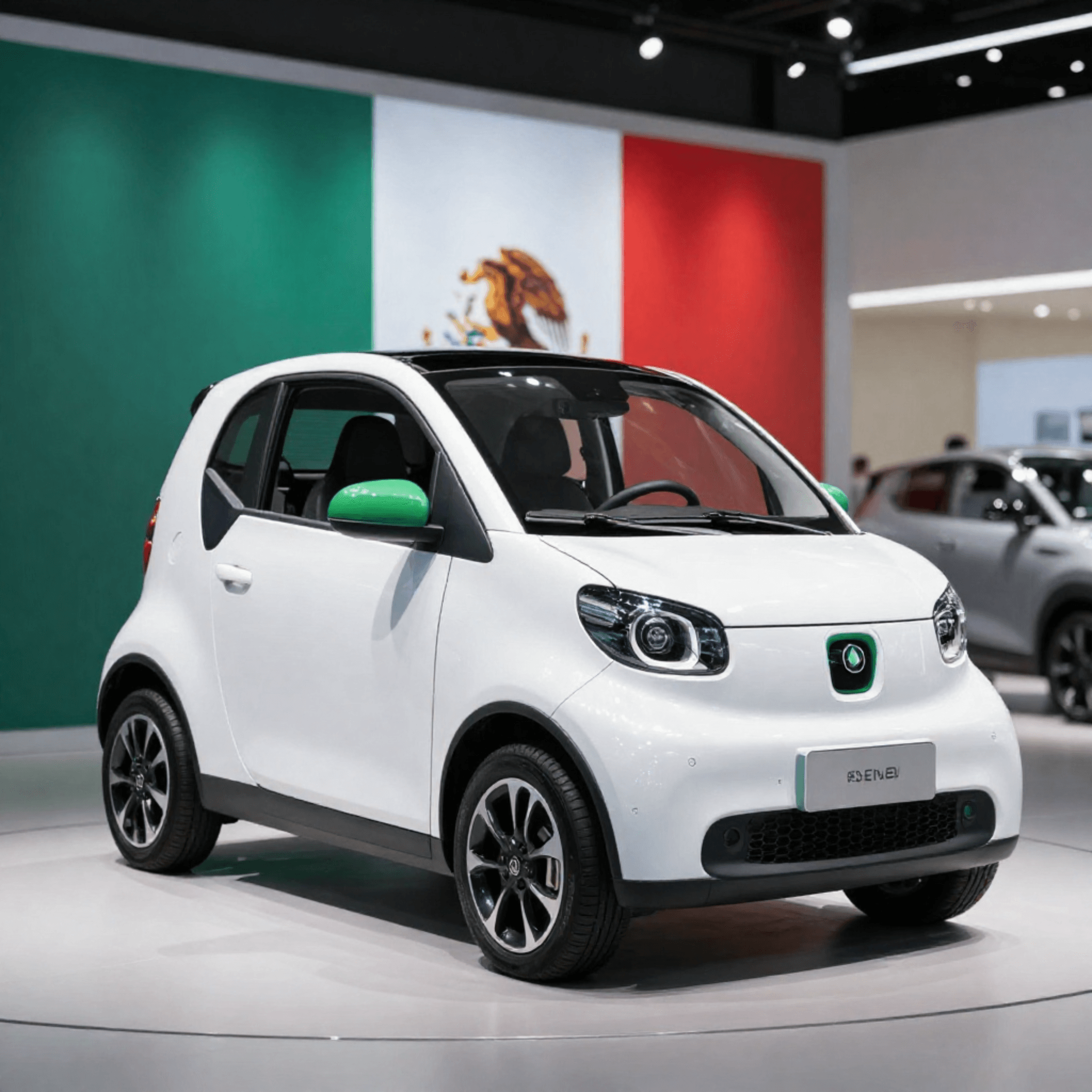
The Olinia Uno is a six-seat electric vehicle designed entirely for urban use. It tops out at 50 km/h, which means it is not chasing highway drivers or competing with Tesla or BYD. The vehicle targets city commuters, taxi operators, and last-mile transport in dense urban areas where short distances and tight budgets define the daily reality for most people. The 14.7 kWh battery delivers over 125 kilometres of range on a single charge and can be plugged into a standard household outlet, which removes the single biggest infrastructure barrier that holds back EV adoption in developing markets. No dedicated charging station. No expensive home installation. Just a regular plug. The price is where the story gets genuinely interesting. At 150,000 pesos, roughly $8,600, the Olinia Uno undercuts even the most affordable Chinese electric vehicles currently available in Mexico, which start at around $15,000. The project emerged from 18 months of development involving Mexico's National Polytechnic Institute, the National Technological Institute of Mexico, and specialists from China, the United States, India, and Germany. The vehicle currently uses 50 percent domestic content, with a target of reaching 75 percent national integration by 2030.
Manufacturing Value Upgrade
The operating economics tell a compelling story for potential buyers. Running the Olinia Uno costs approximately 0.49 pesos per kilometre compared to roughly 2.40 pesos per kilometre for a comparable petrol vehicle. For a daily urban driver, that gap translates to estimated savings of more than 50,000 pesos annually. In a price-sensitive market like Mexico, that kind of arithmetic matters far more than brand prestige or performance specs. For businesses and investors tracking industrial policy, the broader signal is just as significant. Mexico is attempting to move from contract manufacturing toward ownership of intellectual property, domestic branding, and higher-value mobility products. A cargo variant is expected to be unveiled in July, and deliveries of the passenger model are scheduled to begin in the summer of 2027. The government also plans to install between 2,000 and 3,000 charging stations across Mexico City and the neighbouring states of Mexico and Puebla before the end of next year. Chinese automakers, including BYD, are already expanding aggressively into Mexico, and Chinese vehicles now account for roughly a quarter of total car sales in the country. Olinia enters that environment not as a direct competitor to those brands but as something different, a domestically engineered option priced below anything currently imported.
National Industry Bet
Olinia Uno is not trying to become a global brand overnight. It is trying to solve a specific problem: putting a functional, affordable, zero-emission vehicle on Mexican streets at a price that no foreign manufacturer has been willing to match. Whether it can scale past the prototype stage and into real commercial production by 2027 remains the central question. The manufacturing infrastructure does not yet exist, and timelines in this industry have a habit of slipping. But the intent is clear, and the price point is a serious argument. Mexico wants a stake in the EV transition, not just a supporting role in someone else's supply chain. From government-backed innovation to global market disruption, InsightSphere helps leaders understand where the next industrial shifts are unfolding.