
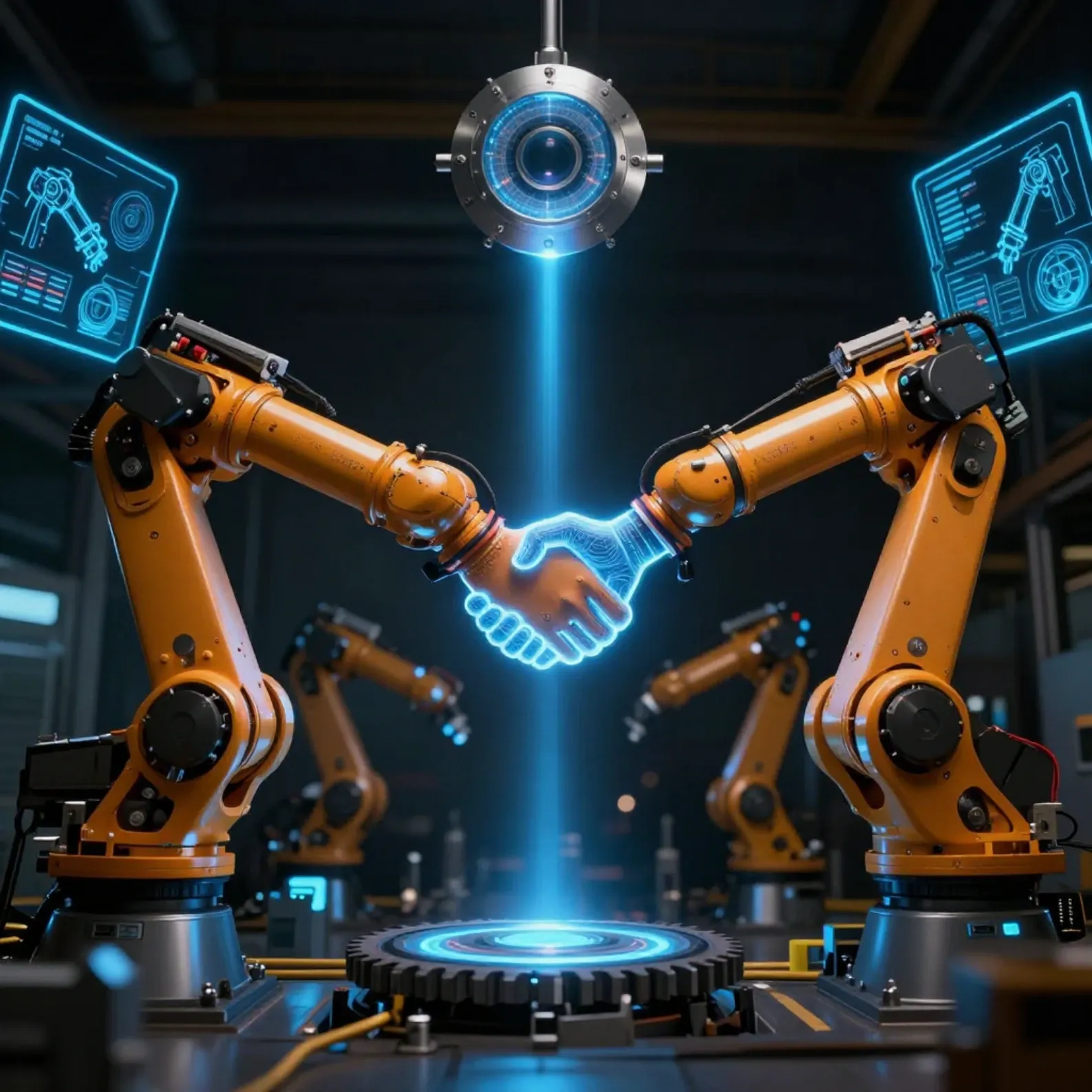
Factory AI Moves Physical
Mitsubishi Electric Corporation and Sony Semiconductor Solutions Corporation have signed a definitive agreement to launch a new joint venture called Advanced Vision Solutions Co., Ltd. The company is set to begin operations in October 2026, once it clears the necessary regulatory approvals. Together, the two firms plan to build vision sensor solutions that allow AI to analyze visual data directly on the image sensor itself, rather than sending raw footage elsewhere to be processed.
Sensors Become Decision Engines
Manufacturing floors generate an enormous amount of visual information every second, yet much of it has historically been too subtle or too fast-moving for conventional systems to capture reliably. This partnership is designed to close that gap. By running AI analysis at the sensor level, factories gain the ability to detect conditions and changes that were previously invisible to standard monitoring tools, whether that involves shifts in product quality, unusual equipment behavior, or early signs that maintenance is required. The venture blends two very different strengths. Sony brings its position as a leading maker of image sensors along with its edge AI capabilities, while Mitsubishi Electric contributes decades of experience in factory automation and control systems. Combined, the two companies aim to do more than simply flag problems. Their goal is to connect what the sensors observe with actual decision-making and machine control, so equipment can respond and adjust on its own with far less need for human oversight.
Automation Gains New Intelligence
This shift could change the way factories look at labor and unmanned production. A lot of manufacturers are already finding it hard to hire skilled workers, and jobs like visual inspection or equipment monitoring still rely heavily on people who know exactly what to look for. If AI vision can take over that kind of work in a dependable way, factories could run with far less human involvement, see less downtime, and turn out more consistent results day after day. Sony stands to gain a stronger foothold in industrial markets here, giving its semiconductor business a real push into physical AI rather than just device-level sensing. Mitsubishi Electric, on the other hand, gets a chance to move beyond selling hardware and build higher-value digital services on top of the automation platforms it already has in place.
Factories Start Seeing Ahead
What stands out about this deal is not only the technology but where it seems to be pointing to the entire industry. Manufacturing competitiveness in the coming years may not depend on software that reviews data after something has already gone wrong. It may come down to systems that can sense a problem, decide what to do about it, and act on the factory floor while it is still happening. With labor shortages showing no sign of easing across major manufacturing economies, deals like this one between Mitsubishi Electric and Sony, where sensing hardware is fused directly with intelligent control, could end up setting the pattern other industrial companies choose to follow. As AI moves from software into factory floors, the next competitive edge may come from machines that can see, decide, and act. Follow InsightSphere for the shifts redefining the future of manufacturing.