
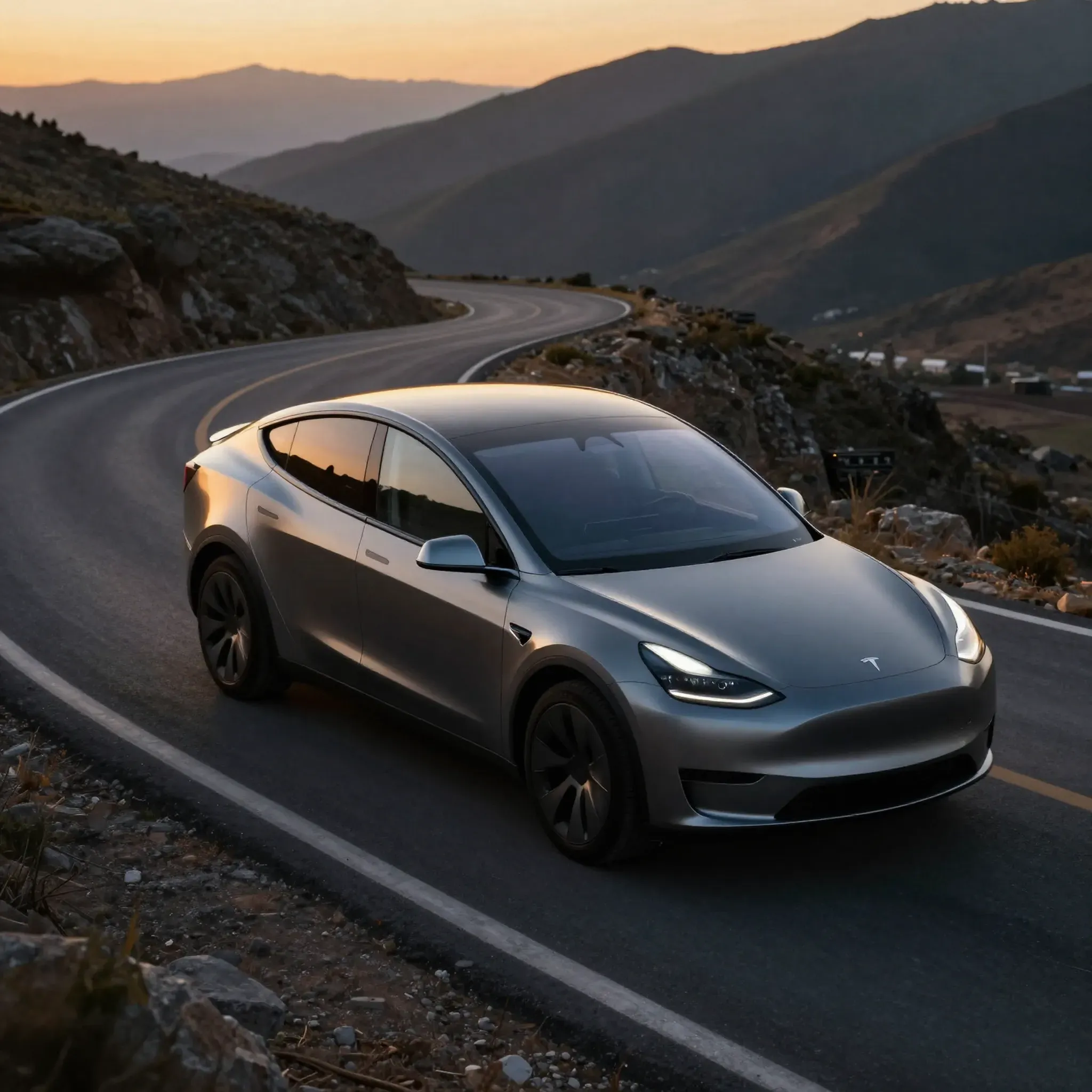
This comes after Tesla spent the better part of two years moving in the opposite direction, pivoting away from affordable cars toward autonomous driving and robotics. That strategy made sense on paper. In practice, vehicle sales fell for two consecutive years, and the core automotive business has started to feel the strain.
Slowing Sales and a Widening BYD Gap Forced the Rethink
The numbers have been telling the same story for a while now. First-quarter 2026 deliveries missed analyst forecasts, and unsold inventory has been piling up, neither of which is typical for a company that once had waiting lists for its vehicles. Meanwhile, BYD has been pulling further ahead. It outsold Tesla by a wide margin in 2025, and the competitive gap grew with each passing quarter rather than closing. Tesla has already made some moves in the affordability direction, launching stripped-back versions of the Model 3 and Model Y at lower entry prices after US government EV incentives were scaled back. But those are adjustments to existing products. The compact SUV is something different, a vehicle designed from scratch for buyers; the current range simply does not price out.
The Volume Opportunity Is Real, So Is the Margin Risk
The challenge Tesla faces here is one it has been building toward for some time. Margins across the automotive business have already been squeezed by the discounting needed to keep sales moving. Introducing a lower-spec, lower-priced model will compress those margins further; that part is fairly predictable. What's less certain is whether the volume that comes with broader market access can make up for it financially. There's a reasonable argument that it can. Keeping factories running at higher capacity and staying competitive in segments where Chinese manufacturers are expanding aggressively both support the case for this move. Sitting out the affordable EV market is not a neutral decision; it means ceding ground that may be difficult to recover later. The harder question is what this does to the brand. Tesla has spent years positioning itself as something aspirational. That perception has real commercial value, and it doesn't automatically survive a move into budget territory intact.