
Oil Drives Bond Selloff
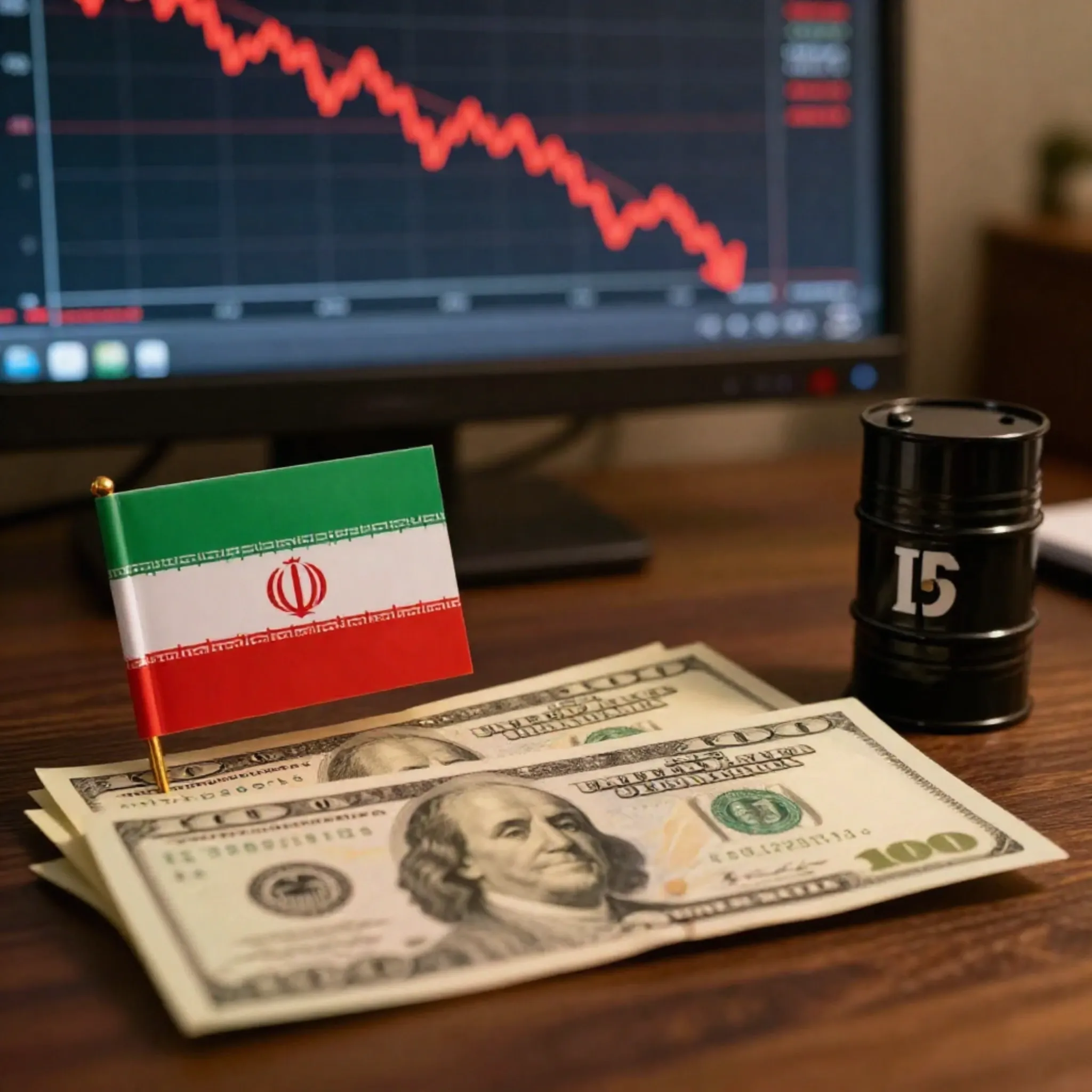
The latest escalation came as Trump posted that he would strike Iran again unless its allied forces in Lebanon stood down, and added that the US could begin collecting tolls from Tehran if the Swiss negotiations broke down. The talks themselves were aimed at locking in a more lasting ceasefire after Iran briefly closed the Strait of Hormuz days earlier, and reports suggested both sides had made some headway even as the rhetoric sharpened. Crude prices responded quickly, with Brent climbing more than 2% toward $82 a barrel and West Texas Intermediate hovering near $75. Treasury yields followed oil higher, with the 10-year rising roughly five basis points to about 4.50% and the more rate-sensitive 2-year touching near 4.22%. Part of the move also reflected catch-up trading after the long weekend. Still, strategists were clear that the bulk of the selling stemmed from fears that conflict in the region could keep energy costs elevated and complicate the Federal Reserve's inflation fight. Adding to the pressure, Fed Chair Kevin Warsh's hawkish tone last week had already nudged traders to start pricing in a possible rate hike by September, a sharp shift from expectations of a cut as late as next March.
Capital Costs Face Pressure
None of this stays confined to a trading floor. When Treasury yields rise, borrowing gets more expensive almost immediately, for governments rolling over debt, for companies financing new projects, and for anyone with a mortgage tied to these rates. Industries that lean on cheap credit, think manufacturing, real estate, and infrastructure, feel it first and hardest. Stocks aren't spared either. Higher yields mean a higher bar for valuing future earnings, and that tends to hit growth and tech names disproportionately since so much of their value sits years down the road. Add in businesses that are exposed to both energy costs and global supply chains, and you've got a group facing pressure from two directions at once if this conflict keeps simmering.
Risk Extends Beyond Borders
What this week really shows is that geopolitics isn't a side story for markets anymore; it's part of the main narrative shaping where rates and inflation go next. For anyone running a business or managing a portfolio, that means geopolitical risk can't sit in the "watch occasionally" pile. It needs a regular spot in how capital costs and investment decisions get planned. With talks in Switzerland still ongoing and the Iran situation far from settled, the smart move for now is to treat this kind of volatility as the norm rather than the exception. At InsightSphere, we decode how geopolitical events reshape capital markets, monetary policy, and the strategic decisions defining global business.