
The Endangerment Question
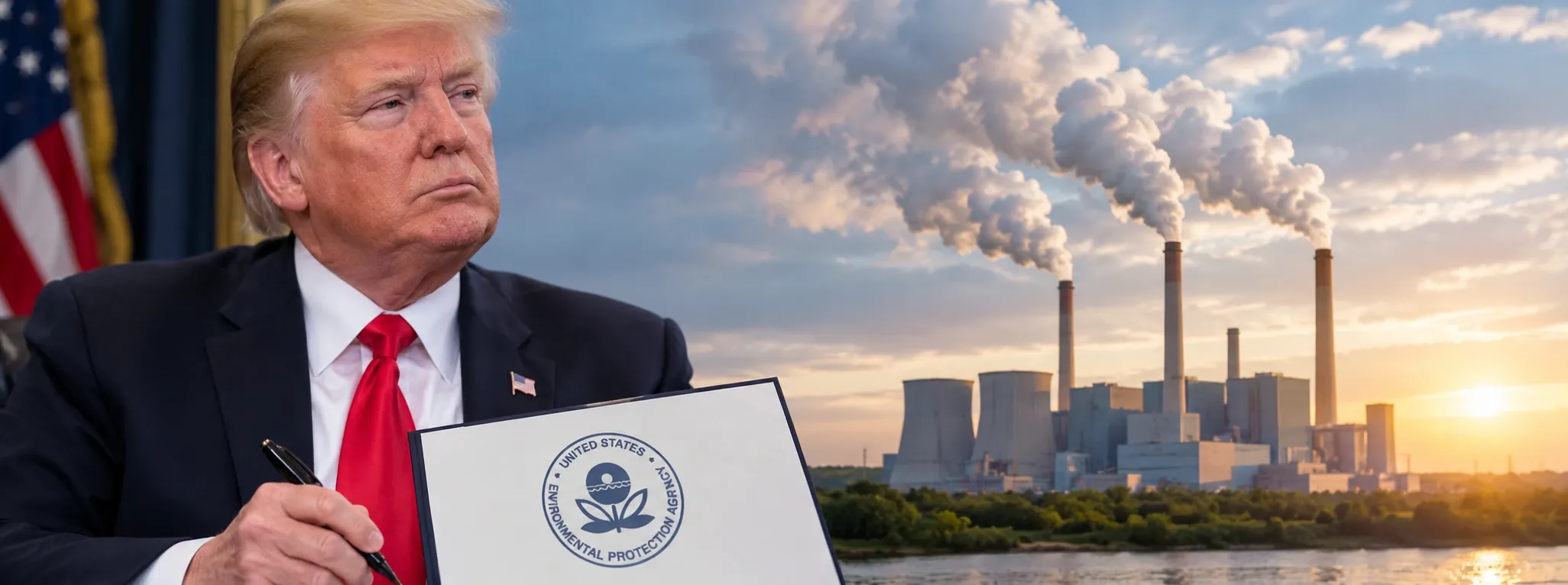
There's a second piece to the September 14 announcement, and it may matter more long-term. The agency proposed rescinding the finding that greenhouse gases from power plants are dangerous at all, an endangerment finding specific to this sector. Meredith Hankins of the NRDC flagged why that's unusual. Agencies almost always replace a rule they repeal with something else. Not here. "They are just fully repealing standards with no intent to replace them," she said.
Should that second proposal go through, it would tie the hands of every future EPA. No administration, Republican or Democrat, could regulate power plant emissions for climate purposes under the Clean Air Act again, at least not without new legislation.
Part of a Wider Pattern
Refrigerant restrictions got delayed earlier this year. Vehicle emissions standards were dropped in a separate rule. The EPA rescinded the endangerment finding underlying most federal climate authority in February. The power sector alone would rank as the world's sixth largest emitter if it were its own country, based on 2022 data from NYU's Institute for Policy Integrity.
Industry Reaction
Coal industry groups are, unsurprisingly, happy. America's Power CEO Michelle Bloodworth argued the change protects grid reliability and keeps costs down for consumers "at a time of surging demand from data centres, artificial intelligence and advanced manufacturing. " That demand argument has been the industry's main talking point for years now, well before this repeal.
Cost Picture for the Fossil Fleet
Carbon capture retrofits were going to be a real cost for coal plants under the old rule, and some faced closure if they couldn't hit the 2039 deadline. Both of those are gone now, which changes the math on asset life and capex across the fossil generation fleet. The EPA's own 2024 estimate had put the rule's climate and health benefits at $370 billion, about twenty times the cost figure the agency is now citing to justify the repeal.
What's Next
Courts haven't weighed in yet. Lawsuits are already stacking up against the EPA's other climate rollbacks this year, and the NRDC says this rule is next on its list, calling the agency's reasoning legally flawed. Whether any of it holds will come down to one question: does the EPA actually have the authority it says it doesn't have?