
Authority Limits Tested
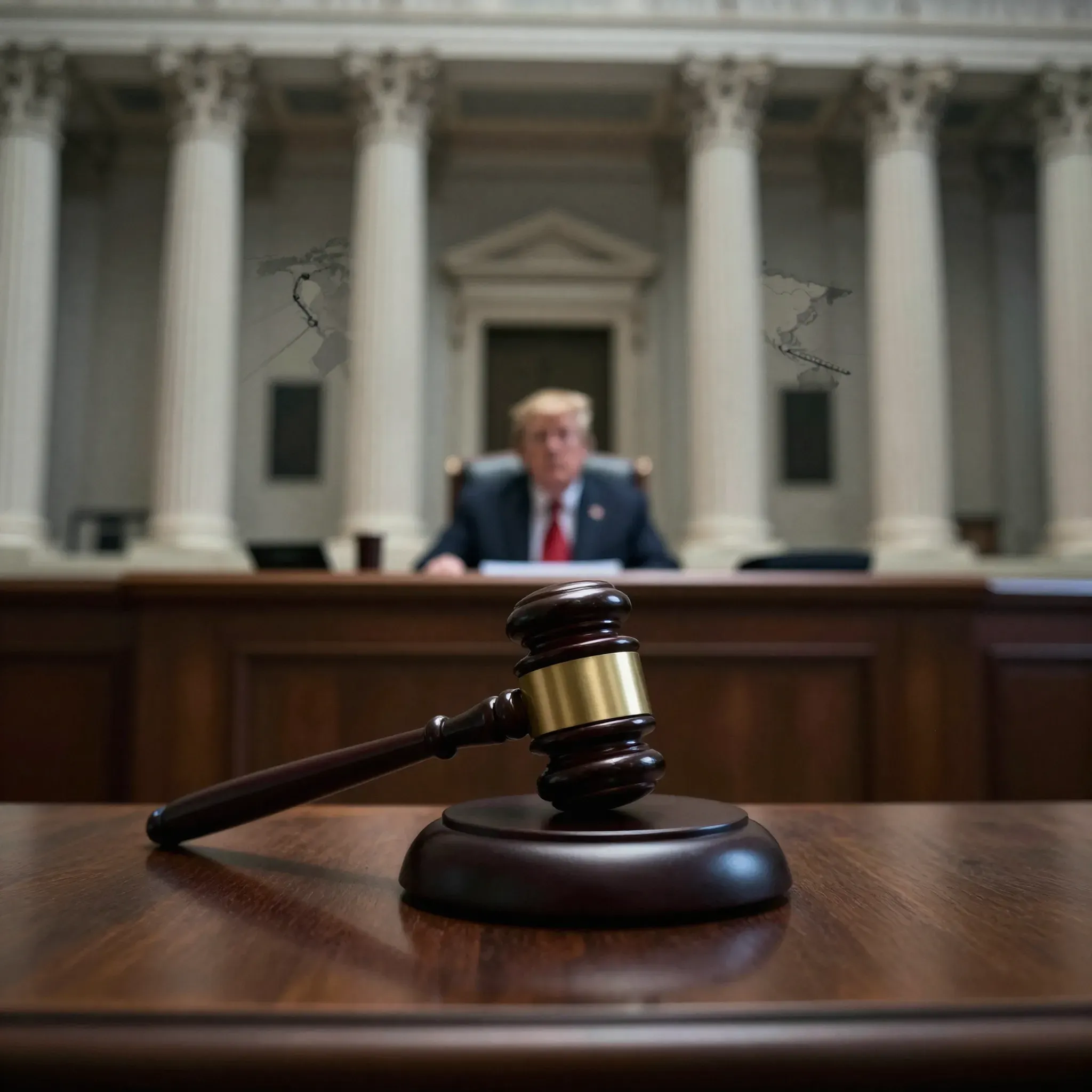
Trump had initially invoked the International Emergency Economic Powers Act to impose universal tariffs worldwide in April 2025. The Supreme Court ruled those tariffs unlawful in February this year. Trump then immediately resorted to Section 122 of the Trade Act of 1974 and announced a 10% duty on all articles imported into the United States, supposedly in response to trade deficits. The small businesses bringing the suit argued the new tariffs were an attempt to sidestep that landmark Supreme Court decision. The February executive order invoked Section 122, which allows for duties of up to 150 days to correct serious balance-of-payments deficits or head off an imminent depreciation of the dollar. Thursday's court ruling found the law was not an appropriate instrument for the kinds of trade deficits Trump cited. In plain terms, the court concluded that the administration stretched a narrow emergency provision well beyond what Congress intended when it passed the statute in 1974.
Supply Chains Recalibrate
The ripple effects of this ruling extend far beyond legal corridors. It has now reached boardrooms, supply chains, and shop floors. The administration had staked its case on a straightforward argument: America's staggering goods trade deficit, running at roughly 1.2 trillion dollars annually, constituted a genuine balance-of-payments emergency that warranted emergency action. But that argument never sat comfortably with many economists and trade lawyers, who maintained that a deficit of that nature, while significant, is a far cry from the kind of crisis the 1974 law was designed to address. In their view, the administration was essentially forcing an old legal framework to carry the weight of a modern political ambition, and the court agreed. For importers, the relief is notable though uneven. The court's decision directly applied only to three of the plaintiffs: the state of Washington and two businesses, spice company Burlap and Barrel, and toy company Basic Fun. Whether other businesses would have to continue paying the tariffs remains unclear. However, trade lawyers note that other importers will likely now ask for a broader remedy that applies to more companies, and that any payments already made could potentially be refunded.