
Supply Risks Reduced
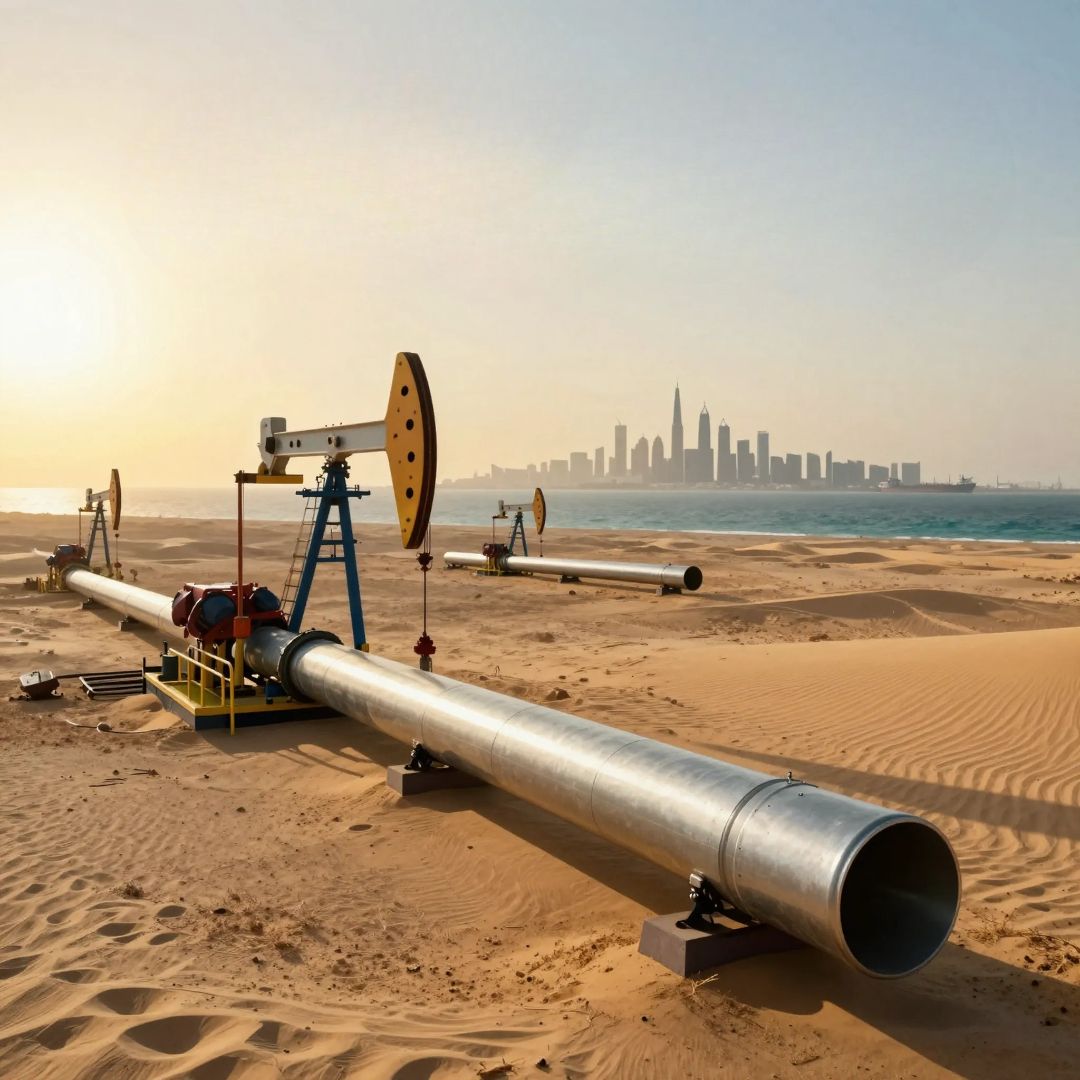
The new pipeline is expected to double the UAE's crude export capacity outside the Strait of Hormuz, significantly strengthening a bypass route that already exists but has never operated at this scale. Hormuz is a narrow lane through which a substantial share of the world's Gulf oil passes every single day. One military incident, one diplomatic breakdown, and one act of escalation in the region is enough to send energy markets into a spiral. The UAE has watched that dynamic play out more than once, and this pipeline is the country's answer to it. What makes the timeline notable is the urgency behind it. The decision to accelerate completion to 2027 was not made in a period of calm. It was made while regional tensions remain very much alive, which says a great deal about how seriously Abu Dhabi is treating supply chain exposure as a structural problem rather than a temporary one. When the UAE plans new oil pipeline projects of this scale, it is not reacting to a single event. It is responding to a pattern that has been building for years.
Resilience Drives Advantage
The benefits of this move are not limited to the UAE alone. For energy-importing nations, particularly India and other large Asian economies that depend heavily on Gulf supply, a more protected export route means fewer moments where a geopolitical flare-up translates directly into a fuel price crisis back home. That kind of supply continuity has real economic value, and importing nations are beginning to factor it into their thinking about long-term supplier relationships. For the UAE, the advantage is equally clear. A supplier that can guarantee delivery regardless of conditions in the region commands a different kind of trust in the market. Over time, that trust shapes contracts, pricing conversations, and the depth of bilateral energy ties. UAE plans new oil pipeline capacity not simply to protect what it already exports, but to build a stronger and more dependable position for the next decade of global energy trade.
Geopolitics Shapes Infrastructure
There is a larger lesson in what the UAE is doing, one that applies well beyond oil. For a long time, governments treated logistics and delivery infrastructure as secondary to production and reserves. That thinking is changing. Physical infrastructure that guarantees supply continuity is now being treated as a strategic asset in its own right, and nations that invest in it early are building an edge that is genuinely difficult for others to replicate quickly. The world is not getting less complicated. Supply chains that were designed for stable, predictable conditions are being stress-tested repeatedly. The fact that the UAE plans new oil pipeline routes that sidestep the world's most vulnerable chokepoint reflects a clear-eyed reading of that reality. It is the kind of long-term thinking that will define which energy exporters remain relevant and trusted as the geopolitical map continues to shift. At InsightSphere, we track the strategic shifts where geopolitics, energy security, and capital markets converge to reshape global competitive advantage.