
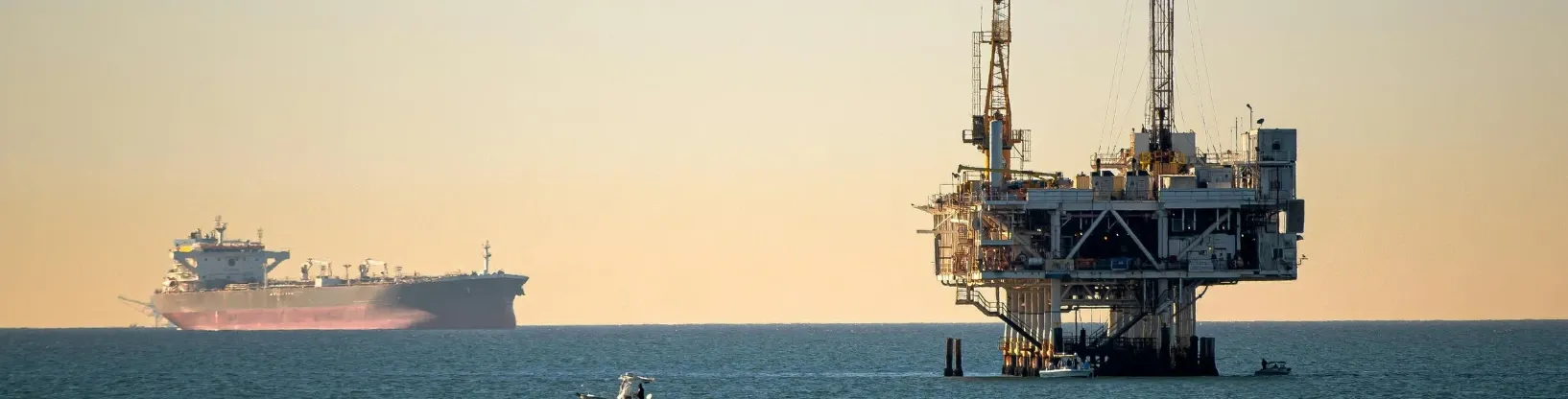
Why Jackdaw needed fresh approval
Jackdaw lies about 150 miles east of Aberdeen and is owned by Adura, a joint venture of Shell and Equinor. A licence gives a company the exclusive right to an area, but each project also needs consent to produce. The Conservative government granted that consent in 2022.
Soon after, Greenpeace and Uplift challenged it. After a 2024 Supreme Court ruling known as the Finch case, developers must assess the emissions from burning the fuel they extract, as well as from extracting it. In January 2025, Scotland’s Court of Session ruled the Jackdaw consent unlawful, and Adura had to resubmit its assessment.
Why campaigners fought the project
Opponents argue that new fossil fuel production increases emissions the UK has committed to cut.
Greenpeace estimates that burning Jackdaw’s gas would release about 36 million tonnes of carbon dioxide equivalent. Campaigners also mention the International Energy Agency’s 2021 net zero roadmap, which found no new oil and gas fields were needed beyond those already approved that year.
Green Party leader Zack Polanski hailed the decision as “climate vandalism” that “will do nothing to lower bills”.
The benefit is also disputed. The government says Jackdaw could increase UK gas production by 6% at peak output. Reuters estimates that this gas would meet just under 4% of the UK’s daily gas demand, while environmental groups put its contribution at about 2% of annual demand over the field’s lifetime.
Jackdaw approved for security of supply, not cheaper bills
Over the past five years, 42% of UK gas came from British waters, 37% from Norway and 20% from shipped liquefied natural gas (LNG). Adura chief executive Neil McCulloch said in July that the UK holds only about eight days of gas storage, so domestic output gives some cover against a supply shock. Octopus Energy chief executive Greg Jackson has said Jackdaw could replace about 20 shiploads of imported gas a year.
It does little for prices. UK gas trades on international markets, so a small rise in domestic supply barely moves the wholesale price. Fahnbulleh told LBC that lower bills were “not a consideration in the decision because it won’t mean cheaper bills”. The government says the Energy Wealth Fund, held within the National Wealth Fund, will back renewable projects so that gas sets the electricity price less often by the end of this Parliament.
What about Rosebank?
Rosebank, lying west of Shetland, is the largest undeveloped field in UK waters, estimated to hold 300 million to 500 million barrels. It lost its consent in the same 2025 ruling, and Fahnbulleh has not yet decided on it.
However, the matter is different: Rosebank would produce mostly oil, and Fahnbulleh said it is “predominantly about exports”, while Jackdaw’s gas goes into UK homes and businesses.