
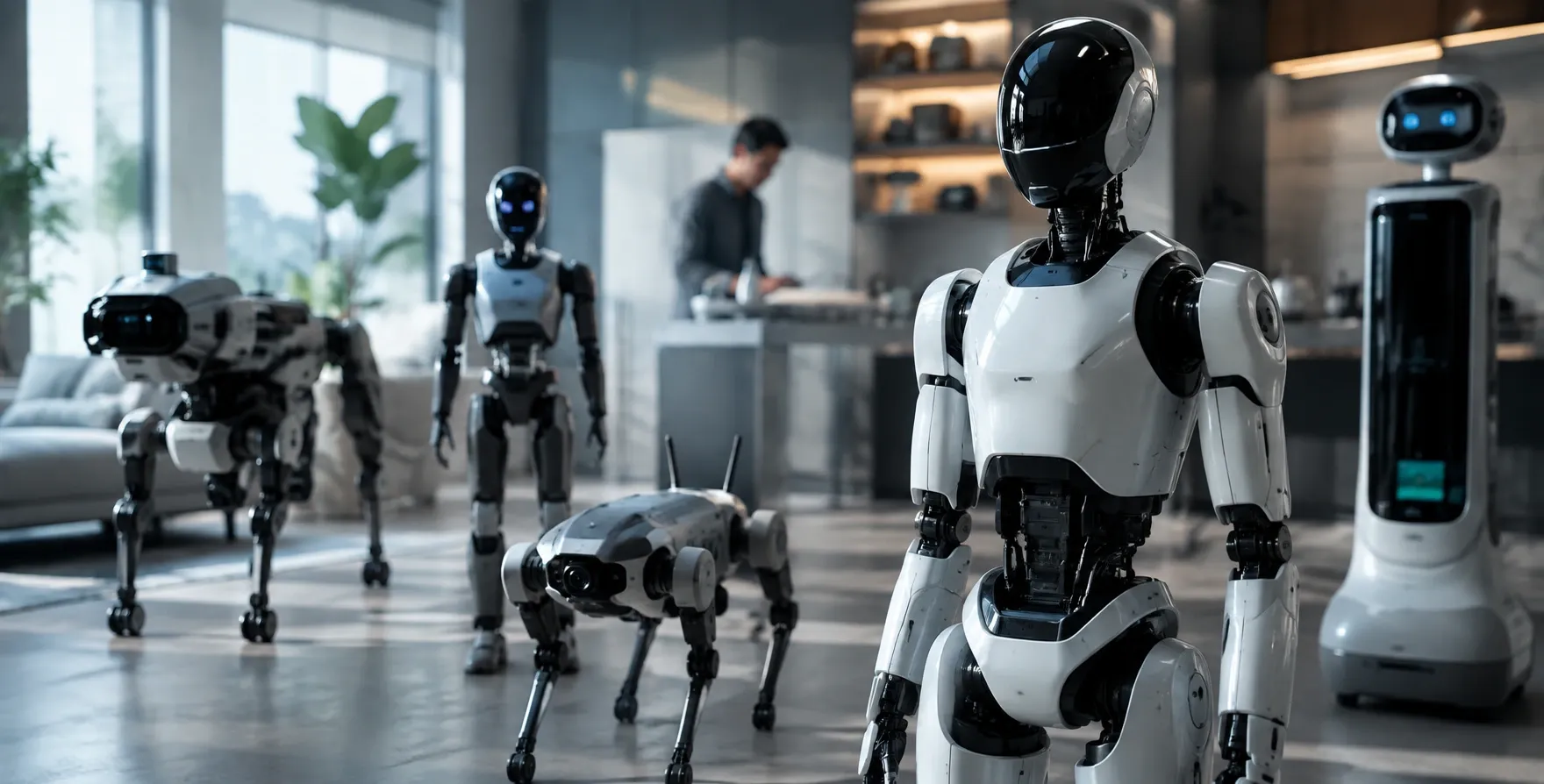
Robots Enter The Mainstream
Unitree founder Wang Xingxing told a packed World Robot Conference in Beijing on August 20 that the humanoid robotics industry is edging closer to its own version of a ChatGPT moment, a shift that could eventually push these machines out of research labs and into everyday commercial use. His comments landed just a day after Unitree's blockbuster Shanghai listing, where shares surged nearly sixfold on debut before sliding 11% on Thursday, a swing that underscored how emotionally charged the market has become around this technology.
Wang was careful to note that the real breakthrough will not come from better hardware alone but from AI systems capable of understanding instructions and adapting to environments they have never encountered before. That framing places physical AI at the center of the next wave of innovation, one that moves intelligence off screens and into factories, warehouses and ordinary homes.
Software Becomes Critical
Wang said Unitree's largest investment of capital and manpower right now is going into world models, the AI systems meant to help robots perceive their surroundings and complete tasks through simple voice or text commands. He described a goal of placing a robot inside an unfamiliar household and having it complete around 80% of tasks on its own, calling this an important tipping point for the industry. On timing, Wang offered a range rather than a single promise, suggesting the breakthrough could arrive in two to three years under an optimistic scenario or take as long as five to ten years. Notably, he admitted Unitree itself is still lagging in applying these models to real-world conditions, a rare moment of caution from a CEO fresh off a record-setting IPO.
Labor Economics Could Shift
China already delivered more than 40,000 humanoid robots in the first half of 2026 alone and now accounts for roughly 97% of global humanoid shipments, according to an industry report released the same day. Beijing sees robots as a way to offset a shrinking workforce, particularly in repetitive, low-value, and dangerous jobs across manufacturing and logistics. Yet Wang and other industry voices acknowledged that today's humanoids are still less efficient than human workers in most real settings, even as expectations for a 2028 tipping point grow louder.
Capital Follows Physical AI
Investor appetite for Unitree and China's broader robotics sector signals that markets are already positioning robotics as the next major AI investment cycle. That enthusiasm now stretches across an entire supply chain, from robot makers and chipmakers to sensor firms, battery producers, and AI model developers. Geopolitics is complicating this picture too, after the U.S. Federal Communications Commission banned future imports of foreign-made humanoid and quadruped robots last month, prompting several Chinese firms to look more seriously at overseas expansion.
Intelligence Enters Industry
The contest among robotics firms is clearly shifting from building machines that simply move well to building machines that can understand, reason, and adapt. Should that transition succeed, humanoid robots could become a genuine layer of the physical economy, reshaping labor markets and industrial competitiveness worldwide.
Track the technologies moving AI from computation to real-world execution with InsightSphere's market intelligence and forward-looking analysis.