
Inside the Product Lists
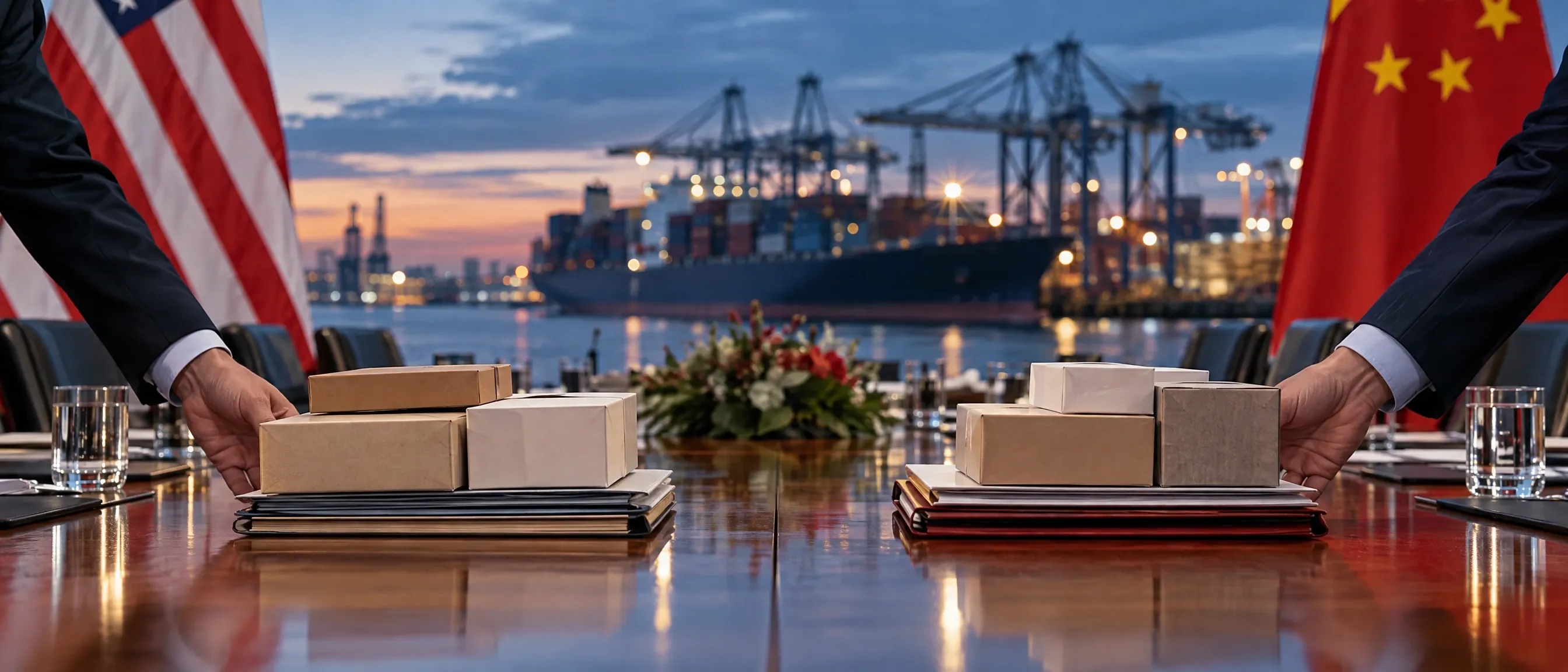
The US side covers 77 tariff entries, among them fireworks, household products, sporting equipment and toys. Some entries apply only to specific products inside a wider tariff category. China's list runs to 1,619 goods, including meat, seafood, dairy, grains, coal, timber and medical equipment. US Trade Representative Jamieson Greer said the plan could widen market access for about 30% of US exports to China, with agricultural products and medical devices the most obvious beneficiaries. Neither list touches semiconductors, AI hardware or export controls, which fits the board's remit of non-sensitive goods.
Where the Tariff Relief Stands
China's Ministry of Commerce said about 90% of the covered products would move to most-favoured-nation rates. Beijing said in a statement on Monday that the cuts would take effect simultaneously once procedures required under its domestic law are complete. Greer's statement says only that the goods could benefit from more favourable tariff treatment in the future, and the White House describes the lists as recommendations. Accounts differ on whether China has published its own list. Bloomberg cites documents released by both governments, while Business Standard, working from the US release, said Beijing had not confirmed it.
The Board of Trade
The board grew out of Trump's May visit to Beijing. Treasury Secretary Scott Bessent and Greer are the US principals, and Vice Premier He Lifeng is China's. The three held talks in New York on September 20 ahead of the summit, and deputies from both sides drew up the lists and will monitor trade in the covered goods. Xi's visit was the second of four planned Trump-Xi meetings this year. The countries also agreed to hold regular discussions on investment barriers. A joint agriculture working group, led by China's Commerce Ministry and the USTR, is due to meet for the first time by the end of 2026.
The Busan Truce
The Busan agreement of October 30, 2025, reached days after trade talks in Kuala Lumpur, ended the worst of an escalation that began with Trump's fentanyl-linked 10% levy on all Chinese imports in February. US duties on Chinese goods hit 145% in April. China's topped out at 125%. Bessent extended the deal to January 10 as Xi arrived in Washington, ahead of its November 10 expiry. He said a larger package is possible by January. Under the original deal, China agreed to buy 25 million tonnes of US soybeans a year from 2026 to 2028. Bessent says Beijing is on target there but behind on a separate pledge to buy $17 billion of other agricultural goods. The White House has added a coal commitment of at least 10 million metric tonnes in both 2027 and 2028, and its fact sheet says Trump urged Xi to raise refined petroleum output to stabilise global supply. Talks on rare earths and other critical minerals are continuing separately, according to the White House. Reporting on the lists so far does not say whether tariff relief is tied to China's farm purchases.