
Escalation and Resolution
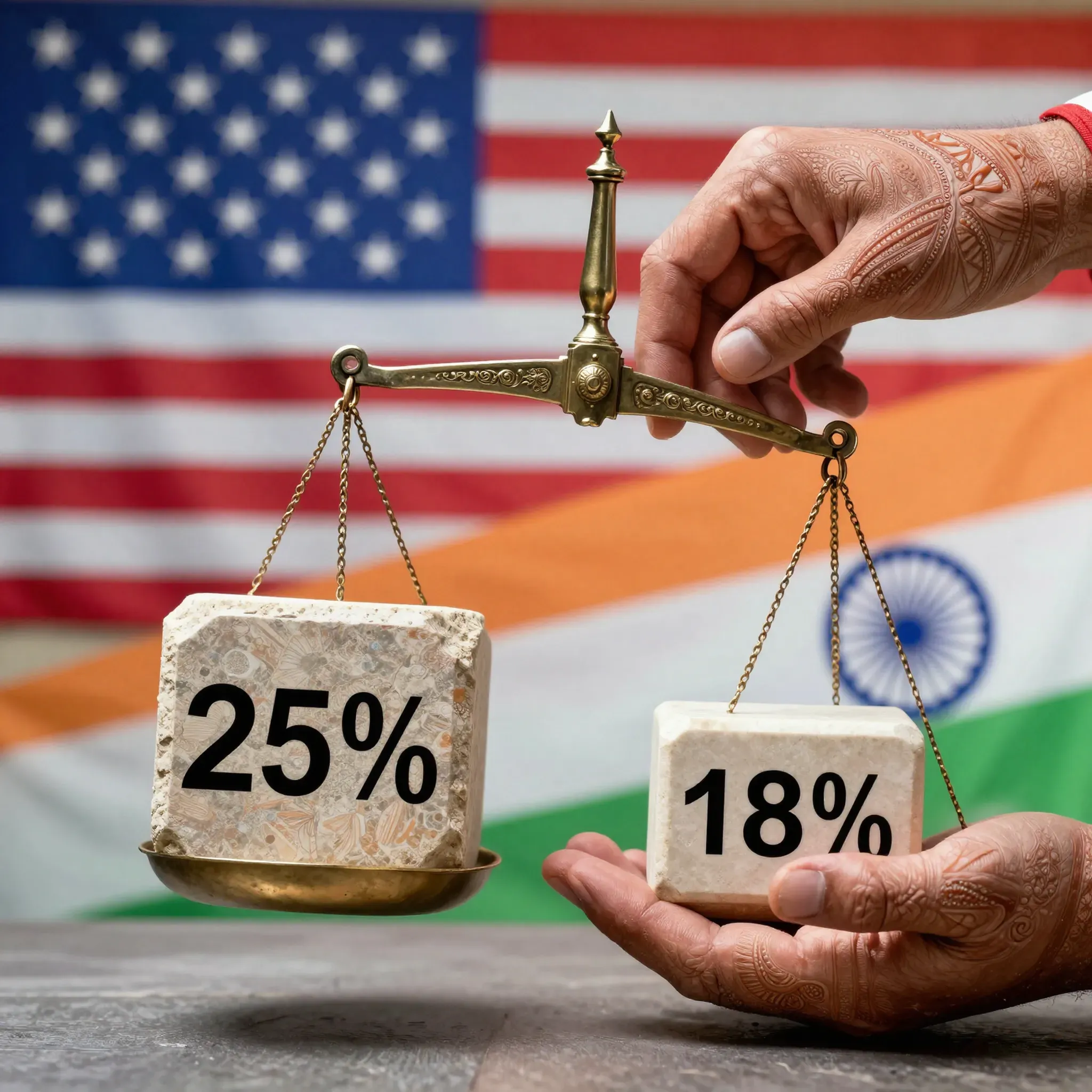
This trade dispute started in mid-2025 when the United States imposed a 25% reciprocal tariff on Indian imports, with addition of a 25% punitive tariff due to India’s purchases of Russian crude oil. These measures brought concerns among Indian exporters especially in labour-intensive industries such as textiles, footwear and engineering goods. Under the new agreement between India and the U.S., the reciprocal tariff is reduced to 18% while also negating the 25% penalty linked to Russian oil imports. According to the white House, this deal reflects a broader bilateral deal to build stronger ties with India, reducing its tariff and non-tariff barriers on American imports to zero (mint). Prime Minister Modi welcomed this agreement with optimism that the deal would unlock new opportunities for exporters while strengthening economic ties.
Economic Implications
The tariff reduction is widely accepted to provide a meaningful boost to Indian exports. In the past few months, Indian merchants have shown concerns and resilience amid high tariffs growing to almost 10% to USD 65.87 billion in the month of April-December 2025. Exporter associations such as Indian Rice Exporters Federation have highlighted that the revised tariff will bring Indian products at par with the key competitors in Southeast Asia. This reduction has also bought India in the favourable position relative to its neighbouring competitors. U.S. import duties in countries like Vietnam, Malaysia, Thailand, Pakistan, and Cambodia is between 19-20%. While advanced economies like Japan and South Korea are generally around 15% (mint). However, metal such as steel, aluminium and specific automotive components will experience high tariffs under U.S. Section 232 trade provisions. Strategically, this agreement will address broader economic diplomacy. Tariff reduction to India’s commitment to alter the energy sourcing by stopping purchasing of Russian crude. With the trade agreement between two economies adding up to $131.84 billion, the agreement carries implications for global supply chains. Despite the positive approach, Indian exporters now need to capitalize on lower tariffs amid global competition and supply chain disruptions in the Red Sea and the Middle East. Additionally non tariff products will require better export facilities to fully realise its benefits from tariff reductions. For the U.S, maintaining a competitive balance between domestic producers and expanding market access to imports will require a careful trade strategy that supports industrial competitiveness. This will help sustain global supply chain integration and build bilateral economic partnerships. Stay ahead with InsightSphere to understand global economic shifts, and policy transformations.