
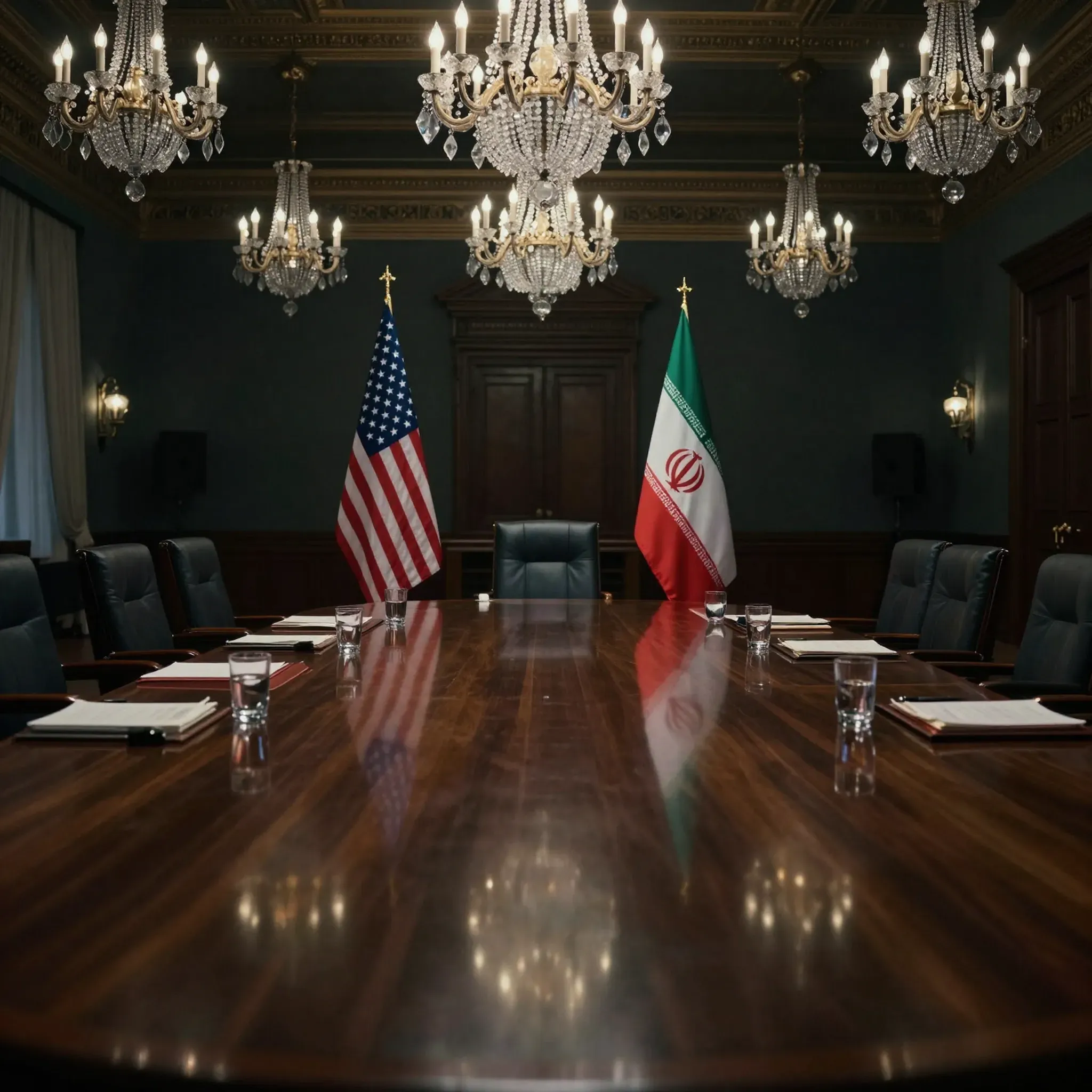
Both sides have expressed concerns towards willingness to engage, the negotiations talk about deep strategic differences that could determine the trajectory of regional security and global economic stability.
New Diplomatic Push
Diplomatic representatives from the United States and Iran met in Oman for nuclear discussion, reflecting continued reliance on neutral grounds to exchange dialogues. The talks were primarily focussed on Iran’s nuclear activities, sanction relief mechanism. The discussions come after a time when geopolitical tensions between Iran and Western powers have increased amid Tehran's expanding nuclear capabilities. The negotiations reflect renewed urgency following years after diplomatic engagement since the United States withdrew from the Joint Comprehensive Plan of Action (JCPOA) in 2018. The original 2015 agreement was imposed on Iran’s uranium enrichment levels and stockpiles in exchange for sanction relief. Iran gradually expanded its nuclear program due to its potential nuclear weapon development.
Nuclear Progress Raises Concerns
The increase in the uranium levels reported in Iran by the international nuclear reports raises concerns among global leaders. The levels are approaching weapons-grade level, thereby reducing the timelines required for nuclear weapon capacity. This escalation makes Iran a direct security threat to Western allies and neighbours such as Israel and Gulf nations. This deal highlights security concerns and geopolitical arguments to form the core challenge in diplomatic negotiations, making Oman’s efforts vital to maintaining peace within the nations.
Economic Stakes Extend Beyond Region
Iran holds one of the world’s largest proven oil and natural gas reserves and any diplomatic deal could impact global energy demands. Increase in the Iranian oil exports could stabilize energy prices when supply chains remain delicate due to emerging geopolitical disruptions. Disruptions in diplomatic decisions could increase sanctions regimes and trigger major supply chain constraints. Global markets are closely monitoring these negotiations as energy security remains a central issue of economic stability across Europe, Asia and emerging markets. Additionally, financial markets are sensitive to Middle Eastern markets. U.S.-Iran tensions have resulted in rise in oil prices, currency fluctuations and shifts in global investments. These talks will serve as a major diplomatic milestone for the global economical stability. These negotiations largely reflect global power dynamics with regional mediators such as Oman playing a crucial role in influencing diplomatic decisions. The U.S.-Iran nuclear talks represent a diplomatic moment with far-reaching implications for global energy markets, and geopolitical stability. While both sides demonstrate willingness to engage, the negotiations remain sensitive and largely shaped by mistrust, and competing priorities. The outcome of this will determine the future of Iran’s nuclear program but also shape broader international security stabilities. Follow InsightSphere to decode complex data-oriented expert analysis that will help organizations anticipate global shifts.