
Pilot Program Progresses
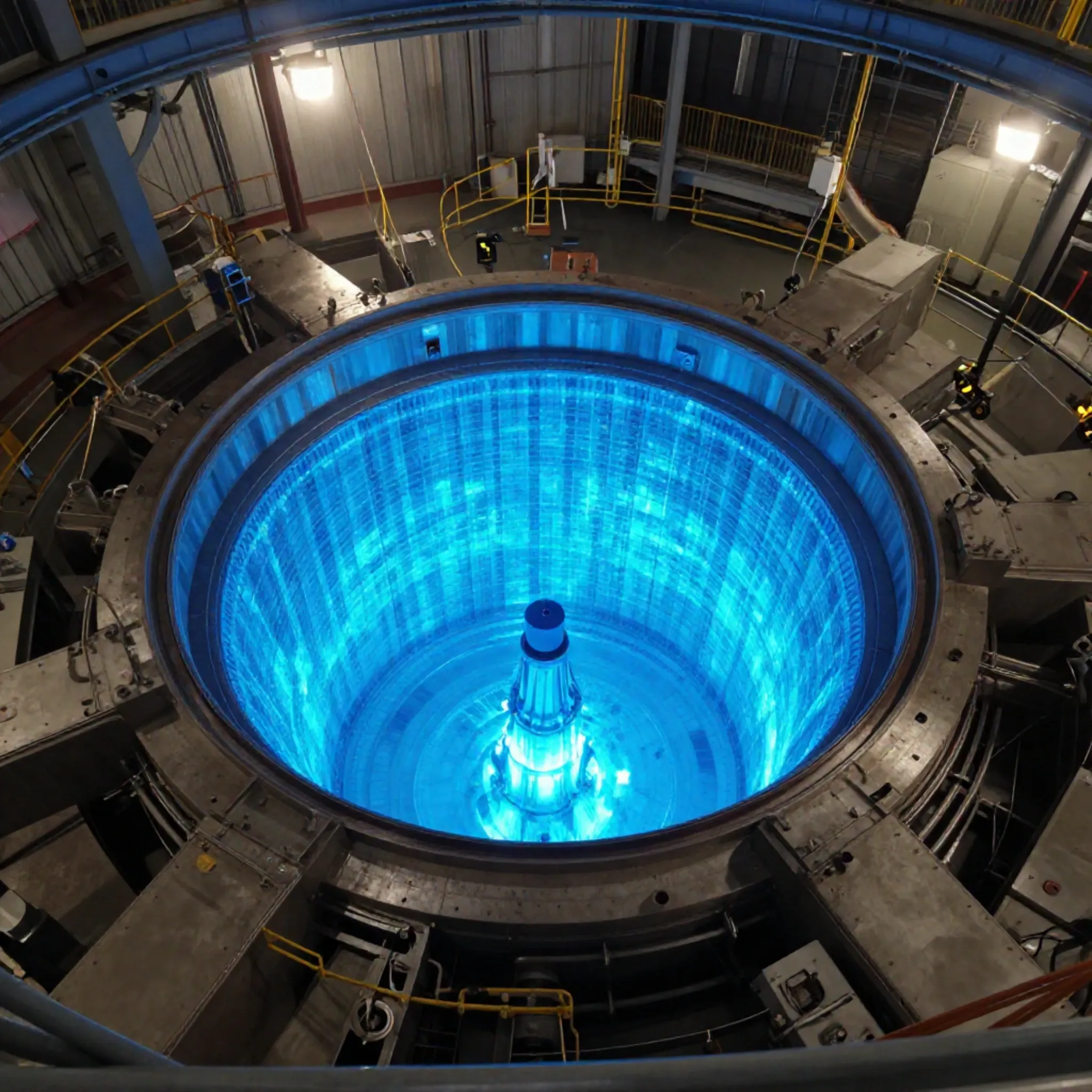
Reaching criticality means the reactor has demonstrated that it can sustain a controlled nuclear chain reaction, a foundational step that must happen before any electricity generation can follow. Ward 250 became the second of several advanced reactors expected to reach criticality before the July 4 deadline set out in President Trump's May 2025 executive order, and the test took place at the Utah San Rafael Energy Lab in Emery County, marking the first DOE-authorized reactor built outside a national laboratory. Energy Secretary Chris Wright called it part of America's broader nuclear renaissance, pointing to the company's earlier feat of airlifting a small reactor aboard a U.S. military aircraft as evidence of the pace Valar Atomics has set. Valar Atomics founder and CEO Isaiah Taylor noted that the site was empty just nine months earlier and now houses a fully operational critical reactor built by his team. This follows the program's first success earlier in the month, when Antares Nuclear's Mark-0 reactor achieved criticality at Idaho National Laboratory. The Reactor Pilot Program itself was designed by the Department of Energy to shorten development timelines and validate new reactor designs that can be deployed far faster than conventional plants, and it currently includes eleven projects spread across ten companies.
Power Security Strengthens
Faster deployment of advanced reactors could materially improve long-term energy security while supporting decarbonization goals that have so far leaned heavily on renewables alone. Reliable, round-the-clock electricity is fast becoming a competitive advantage as AI infrastructure, data centers, and advanced manufacturing place unprecedented strain on national grids. According to industry coverage, the urgency behind the pilot program is closely tied to America's competition with China on AI capability, with officials compressing what would normally be decades of nuclear development into a matter of weeks. Each successful criticality test builds investor confidence in advanced nuclear developers and signals deepening public-private collaboration in clean energy innovation, even as experts caution that these tests represent validation rather than power generation itself.
Strategic Energy Shift
The latest breakthrough makes clear that the global energy transition is no longer confined to wind and solar but is expanding to include advanced nuclear technologies as a serious near-term contributor. For businesses, the race ahead is no longer only about generating clean power but about securing dependable, always-on energy that can underwrite future economic growth. Countries that move fastest to commercialize advanced reactors stand to gain a durable advantage in industrial competitiveness and AI-driven economic expansion in the years ahead. At InsightSphere, we connect the dots between energy innovation, capital markets, and the strategic shifts shaping the future of global business.